
Mouthguards
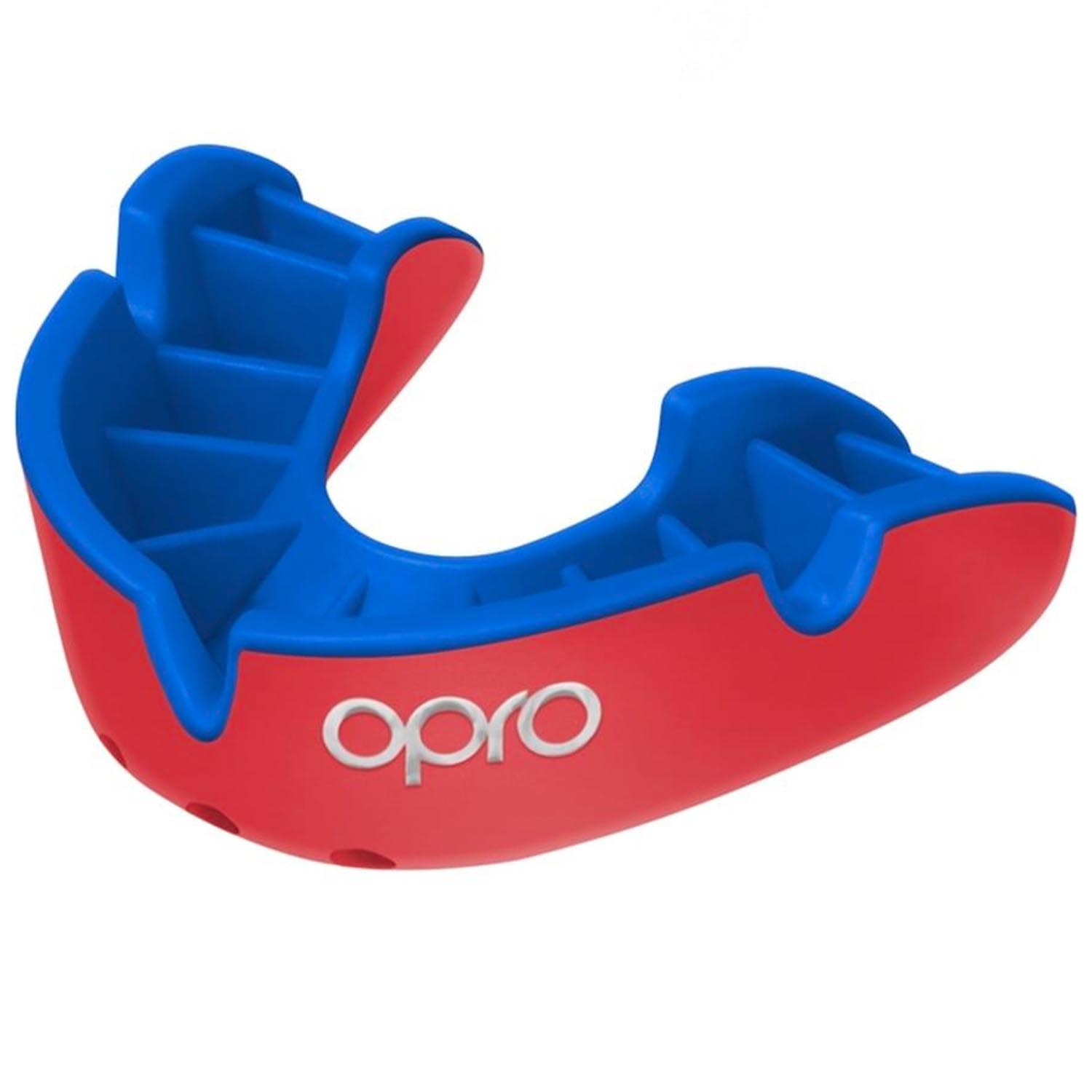
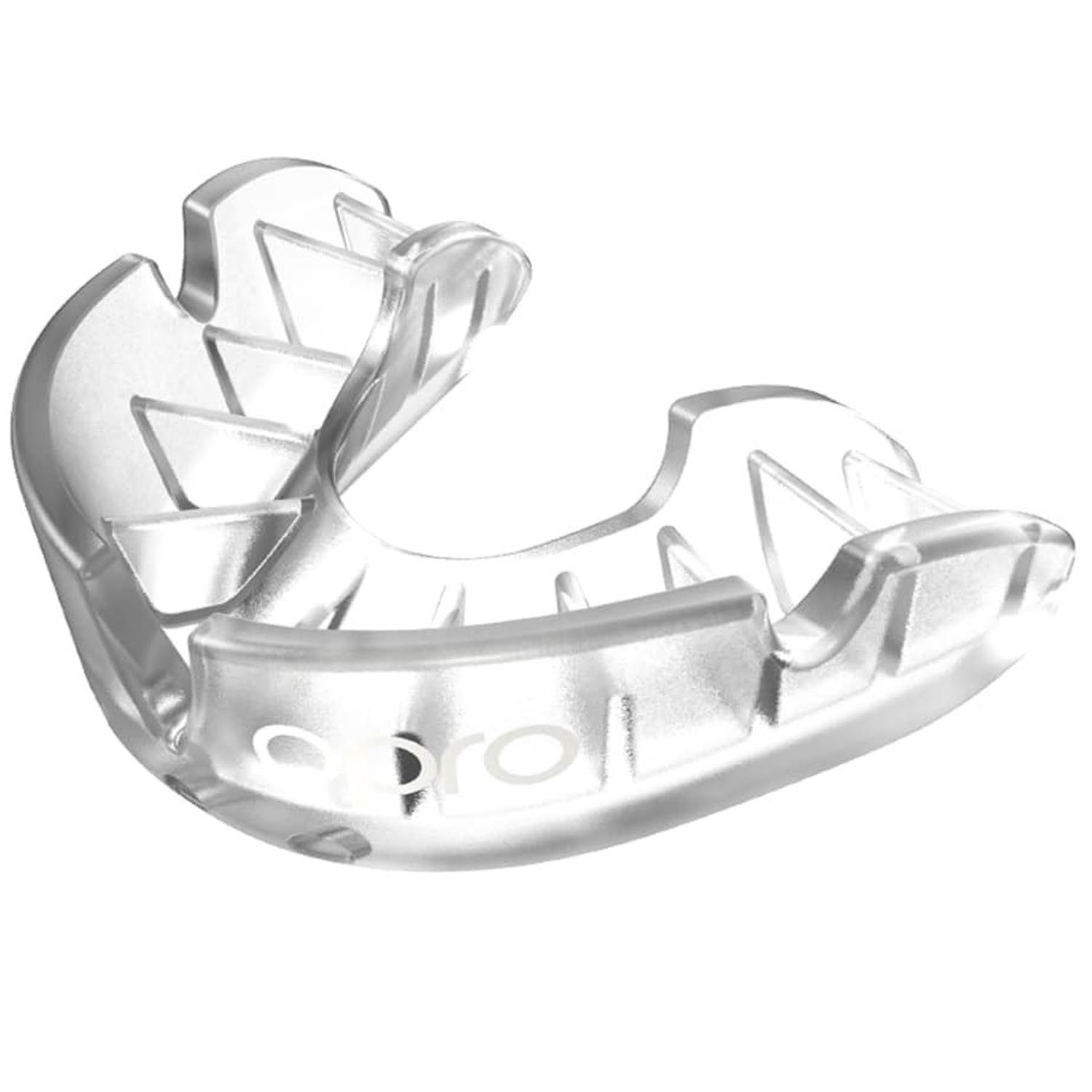
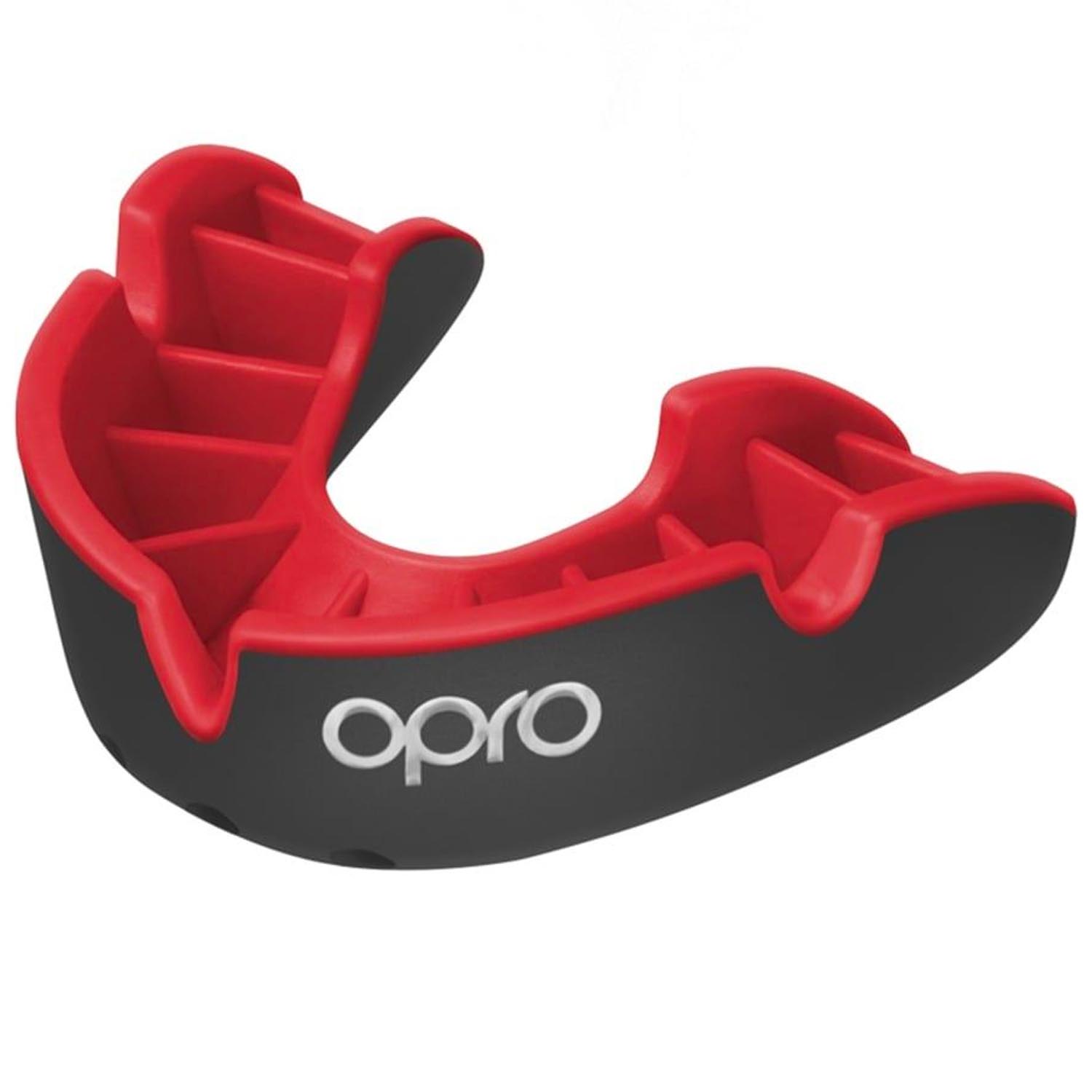
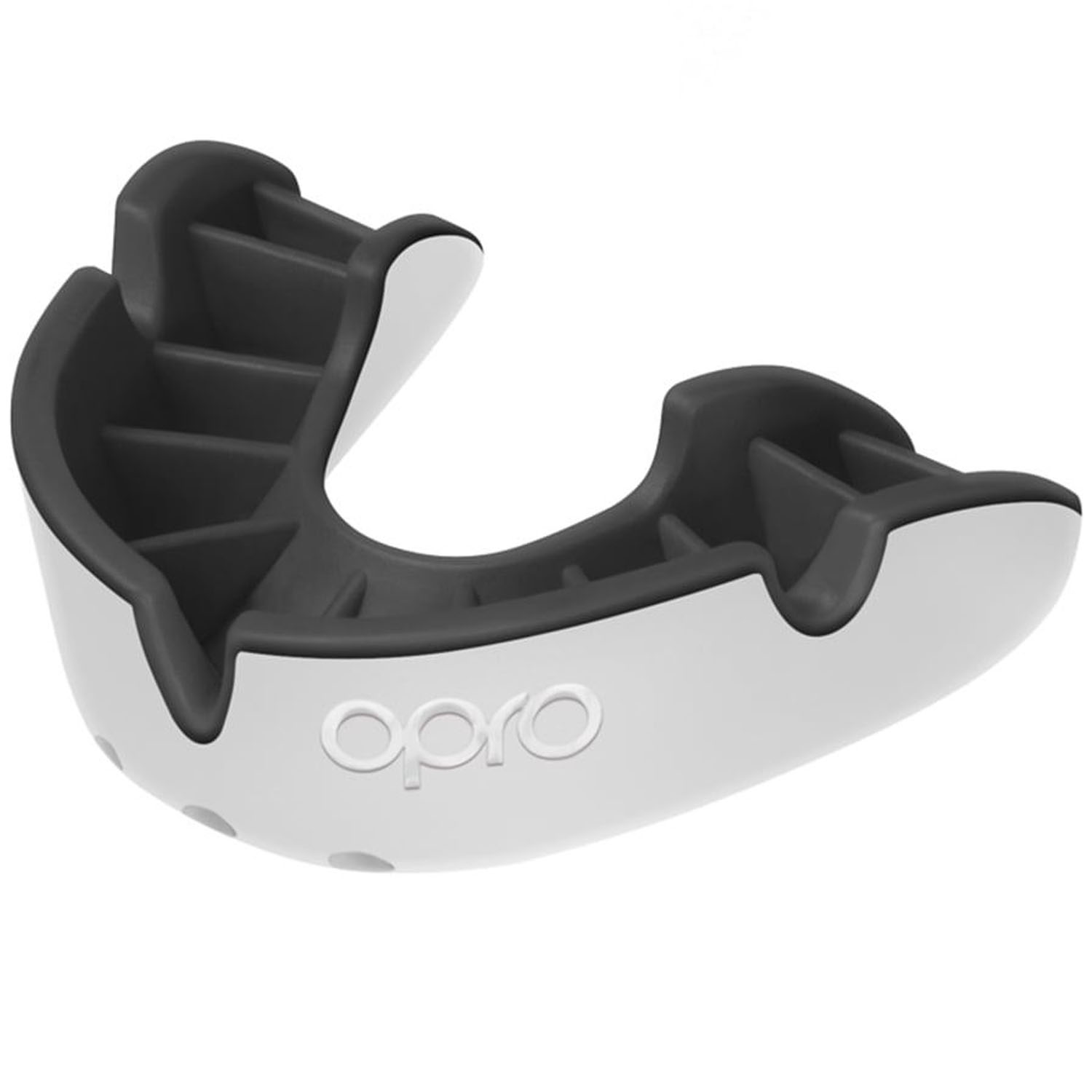
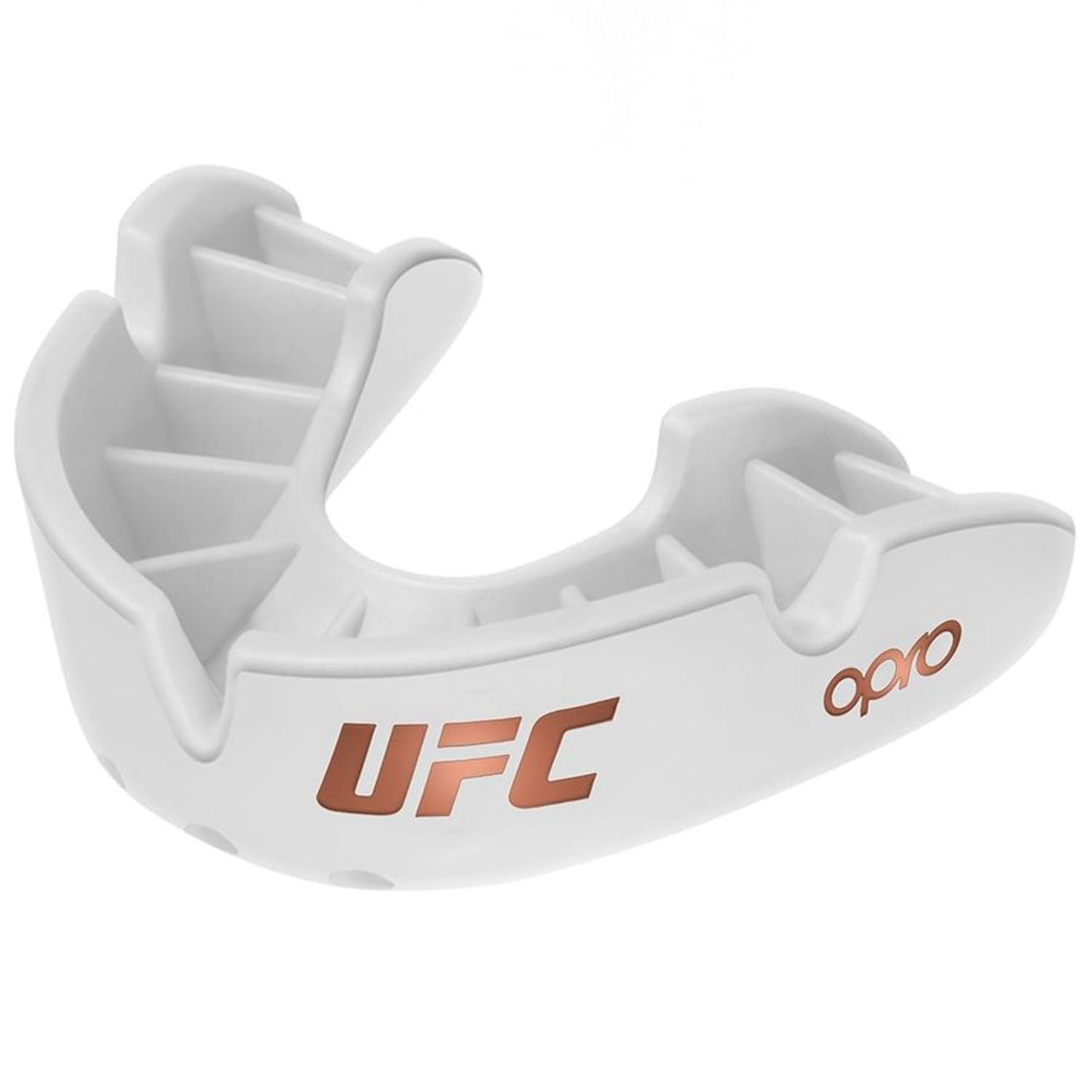
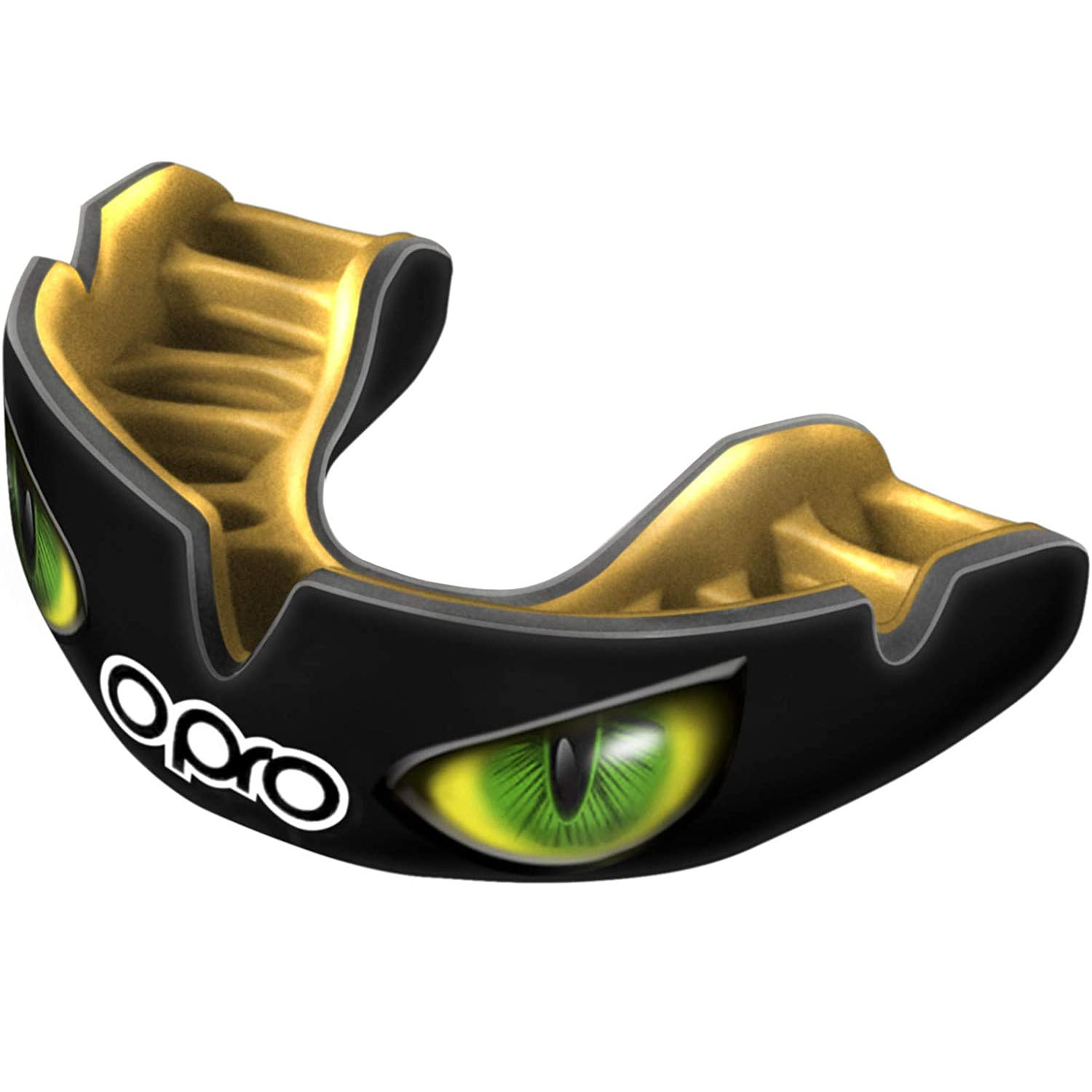
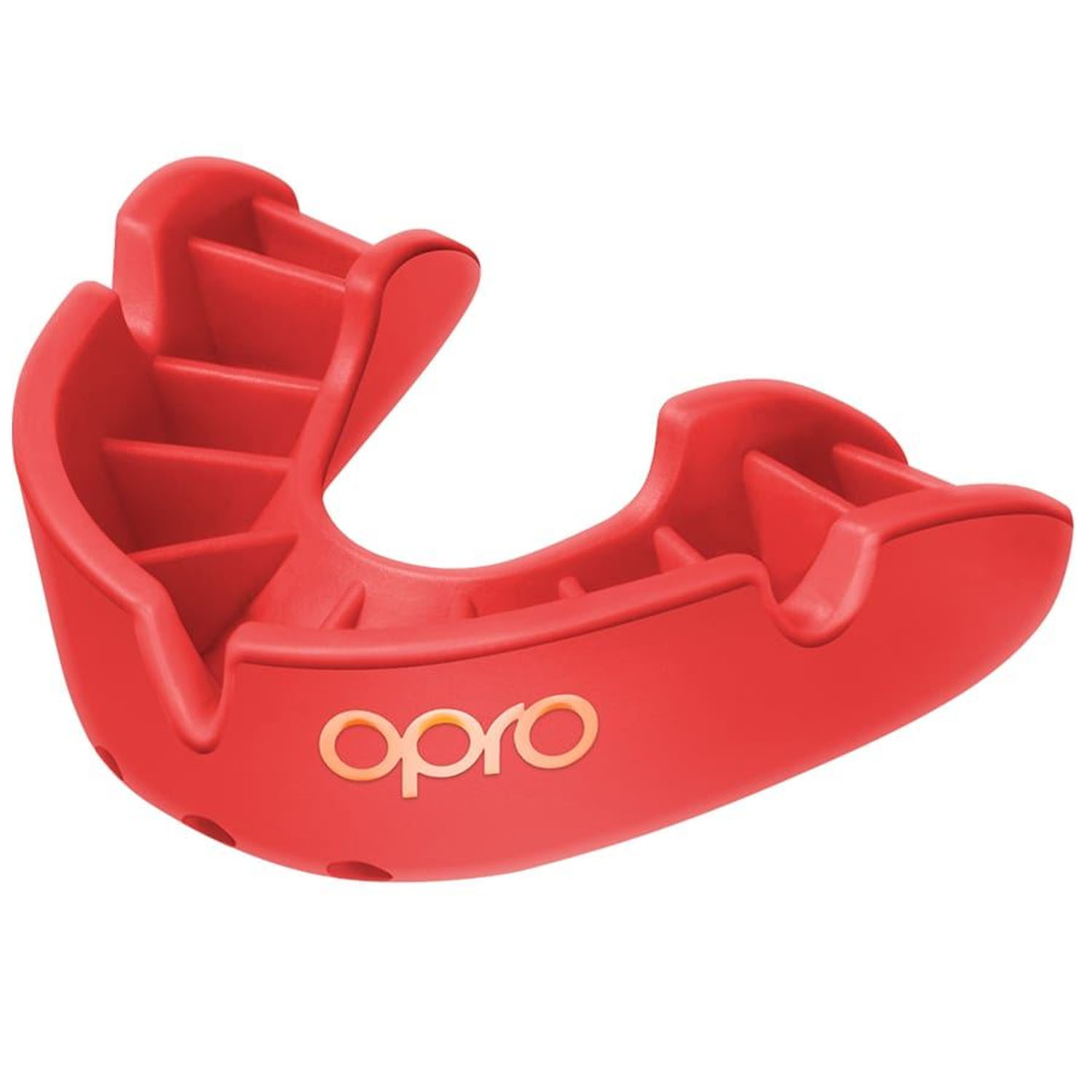
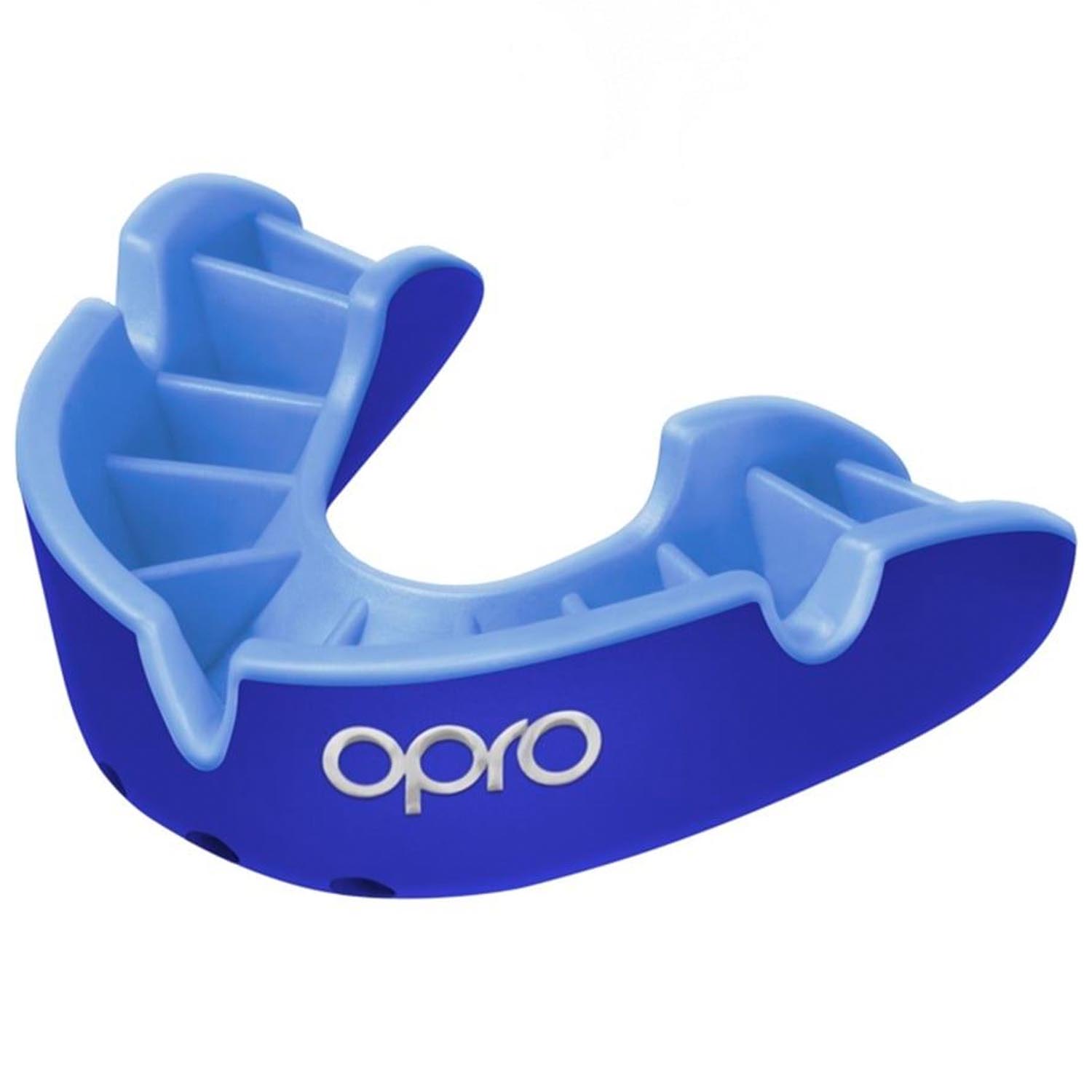
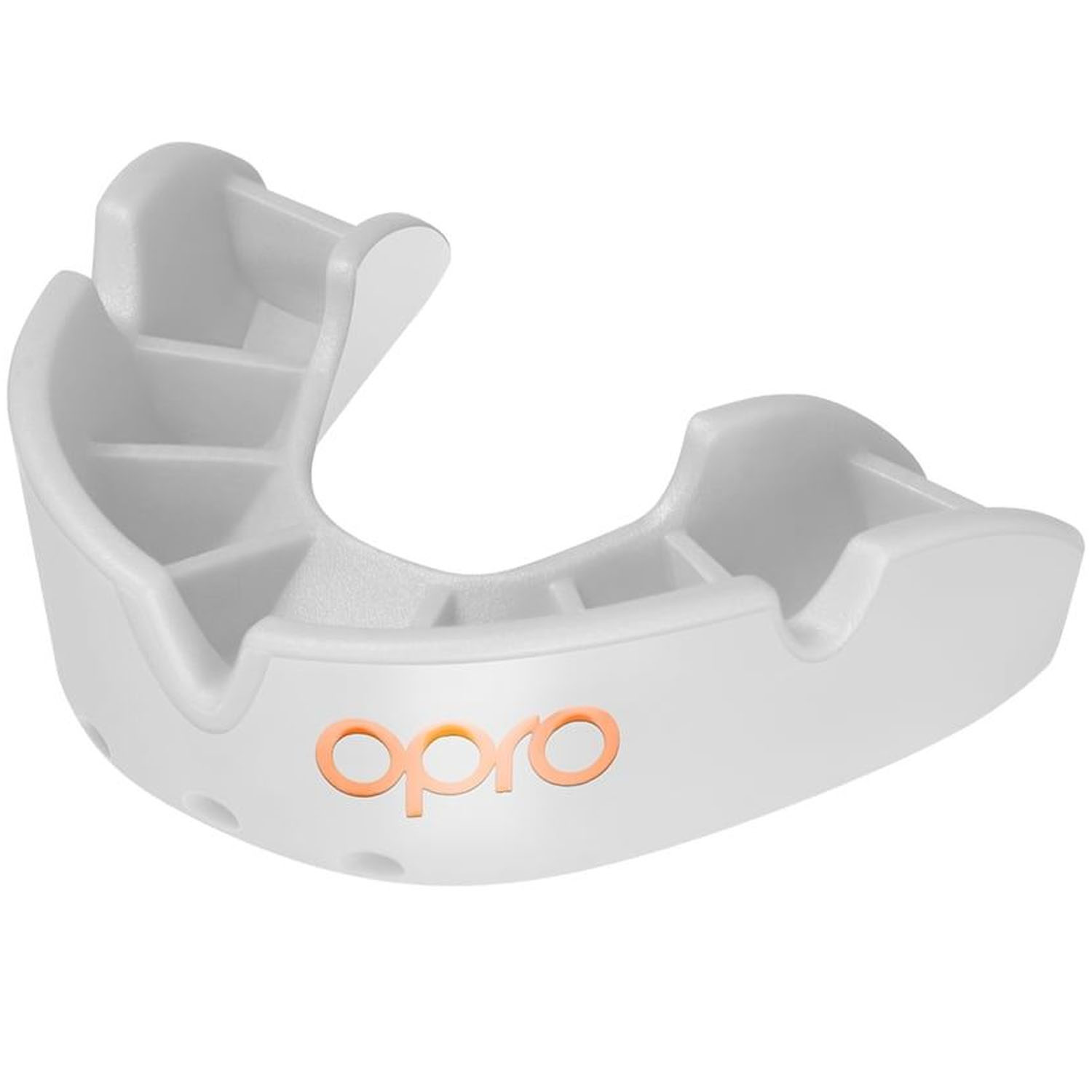
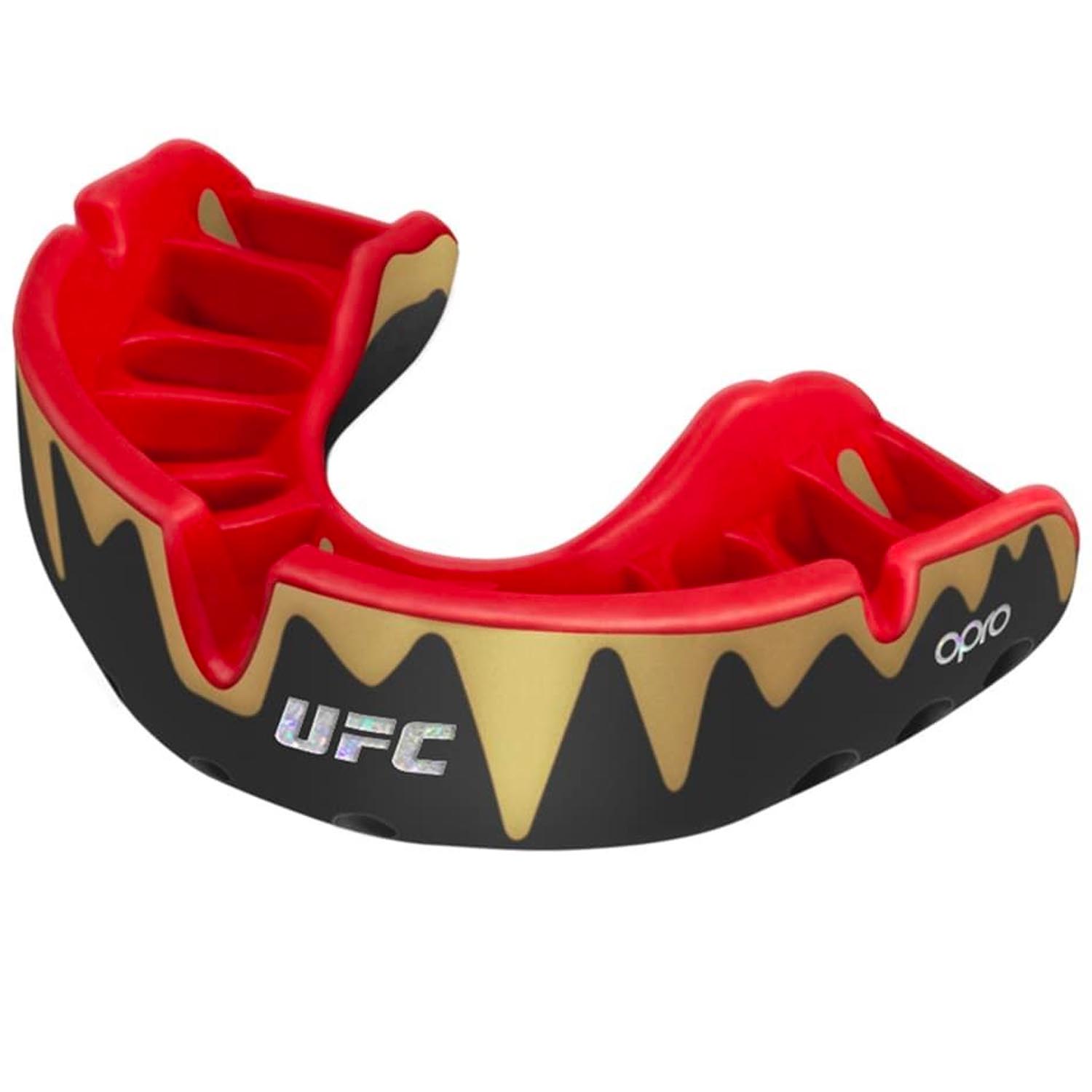
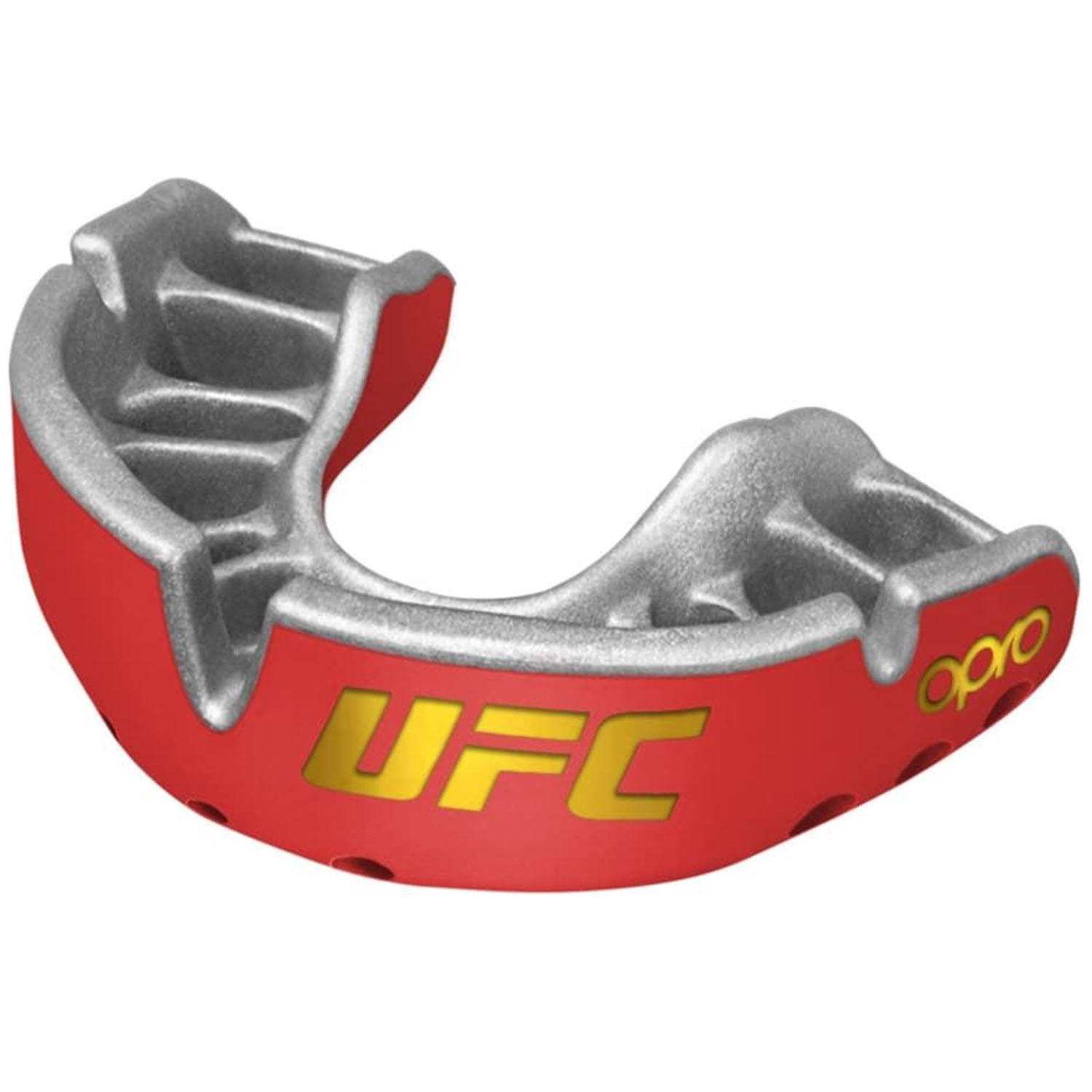
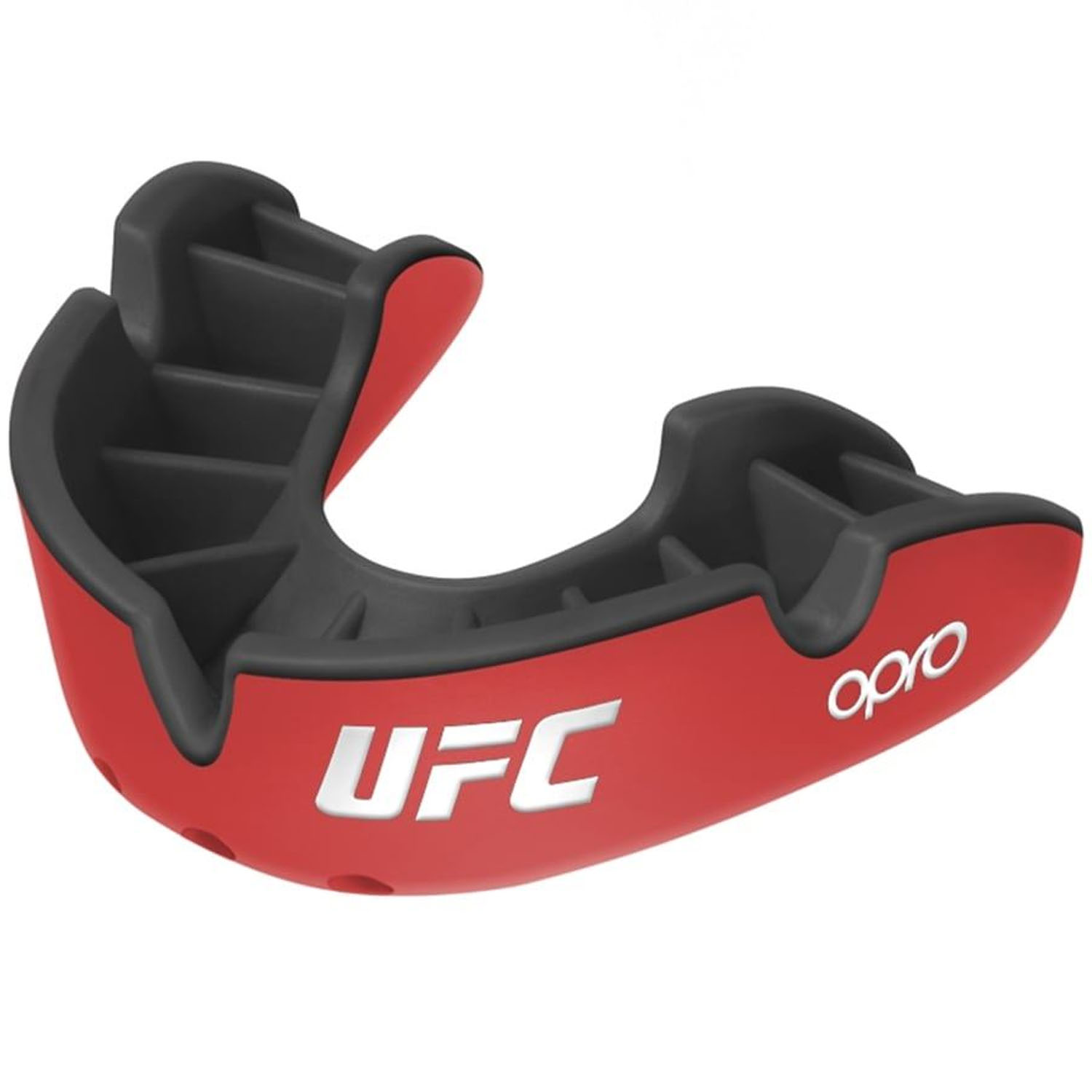
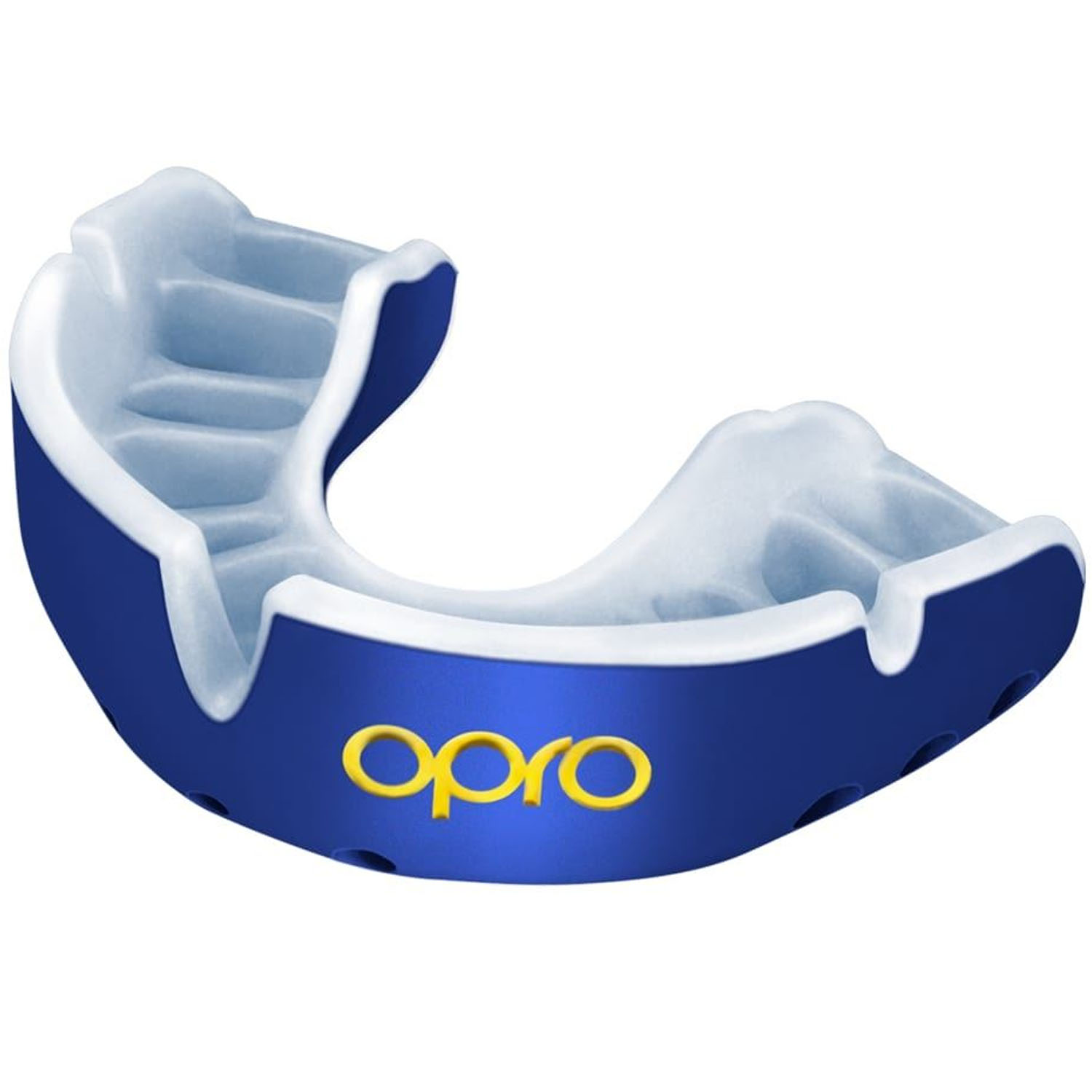
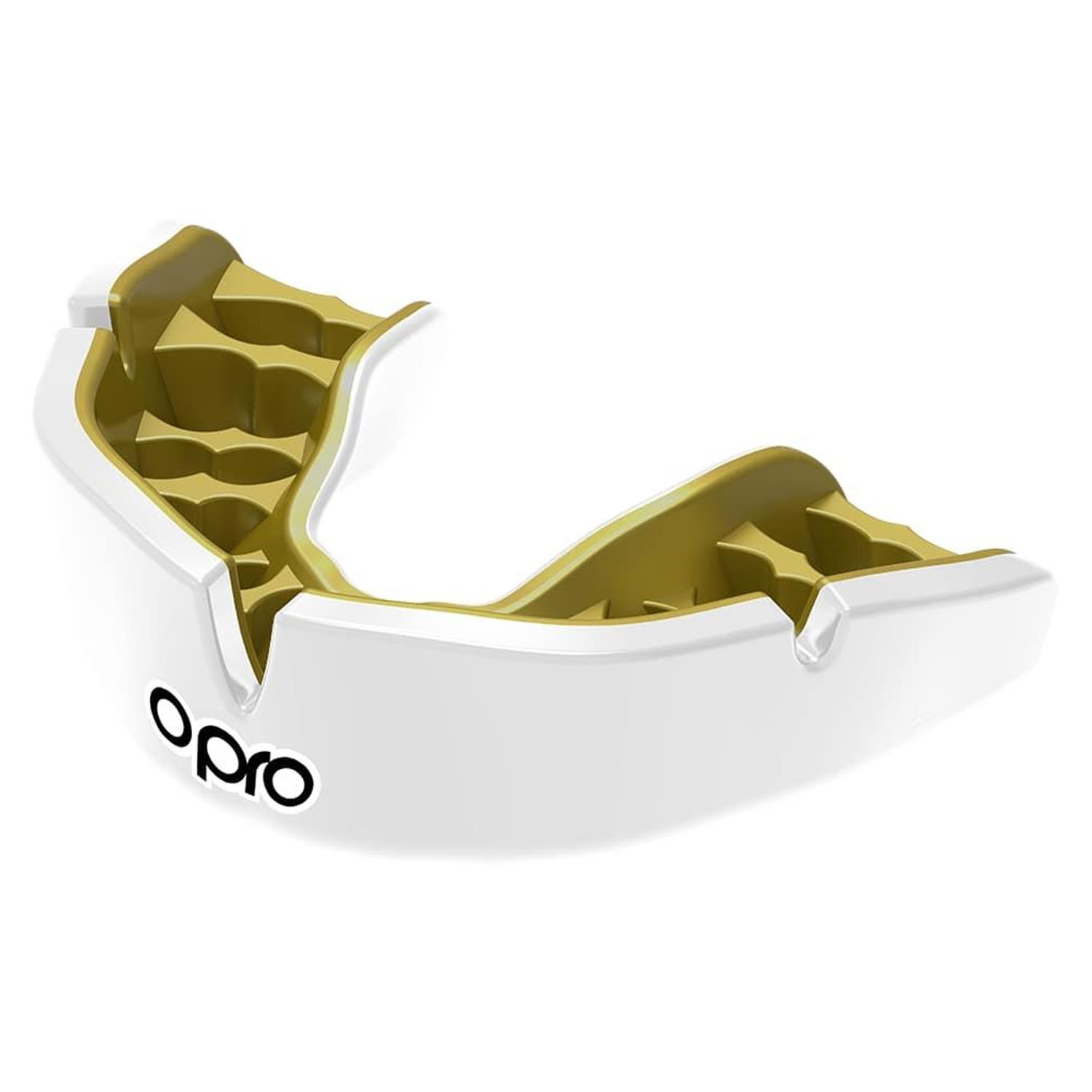
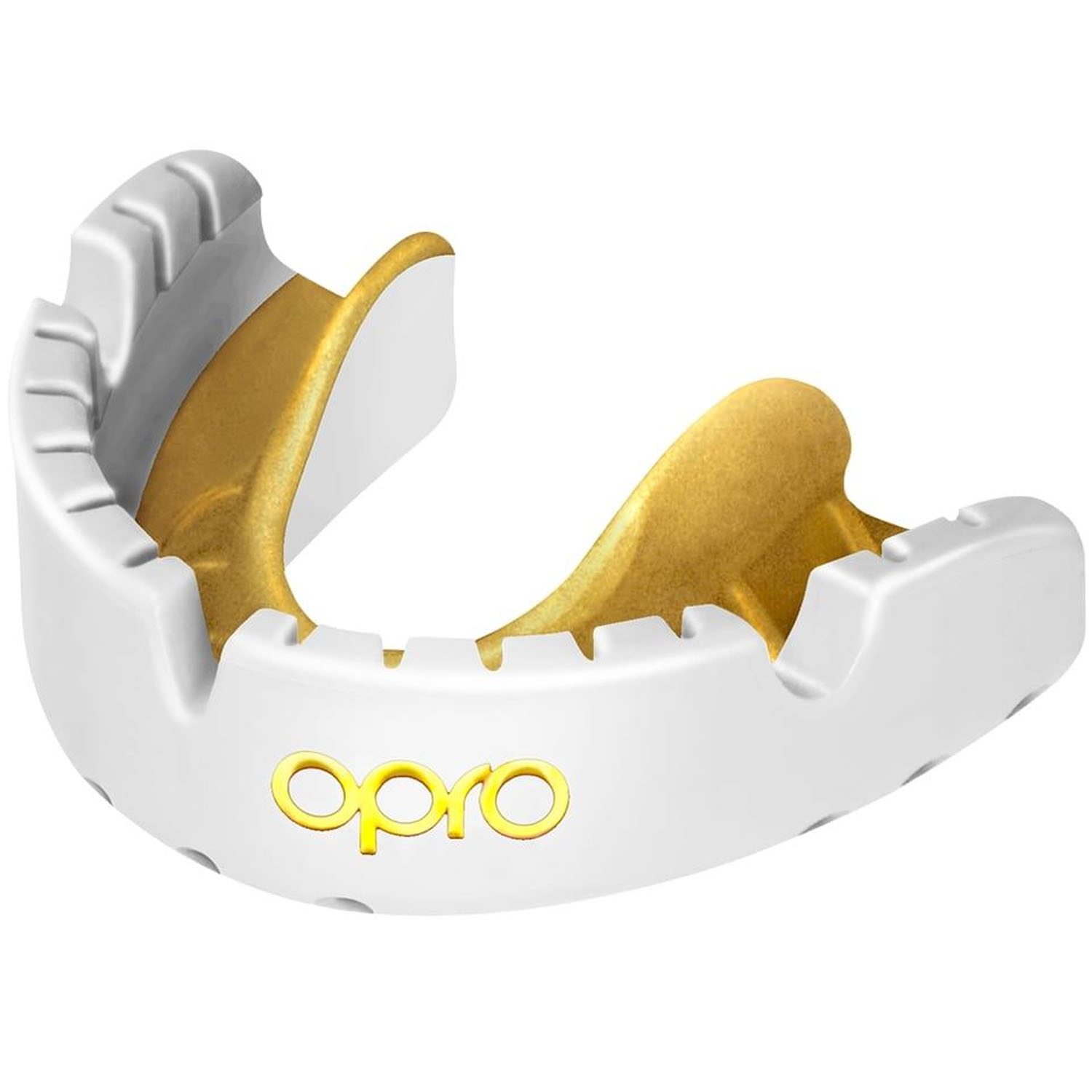
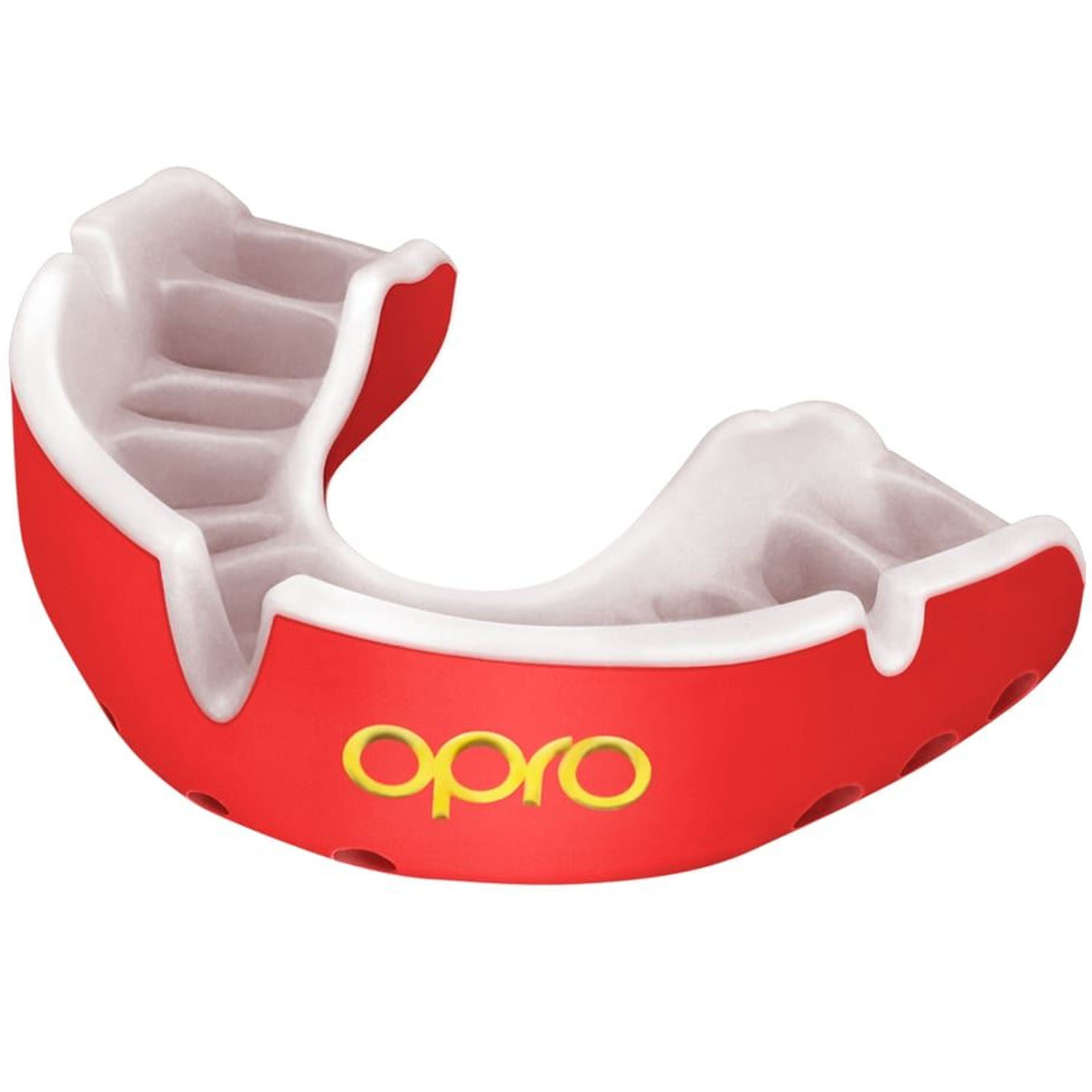
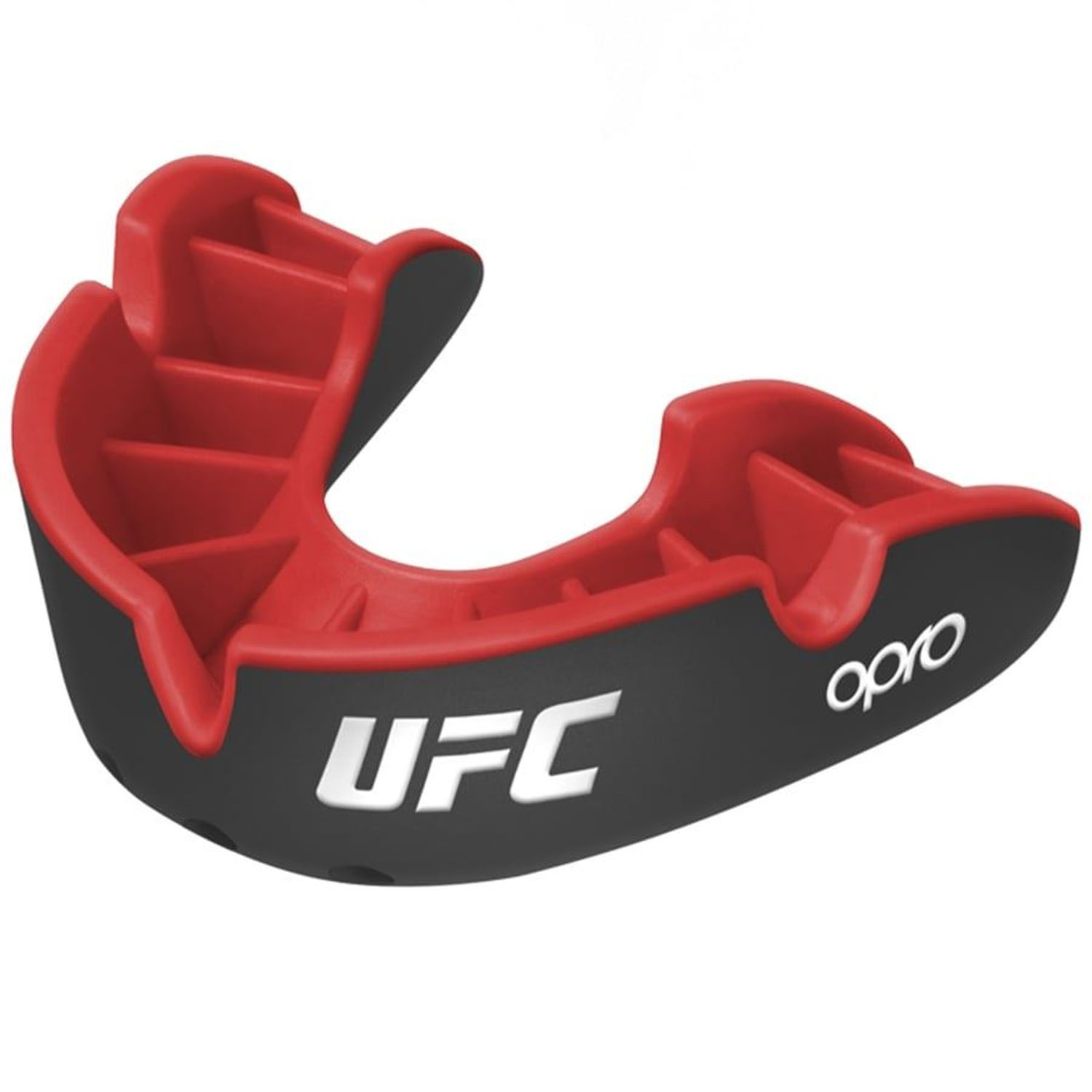
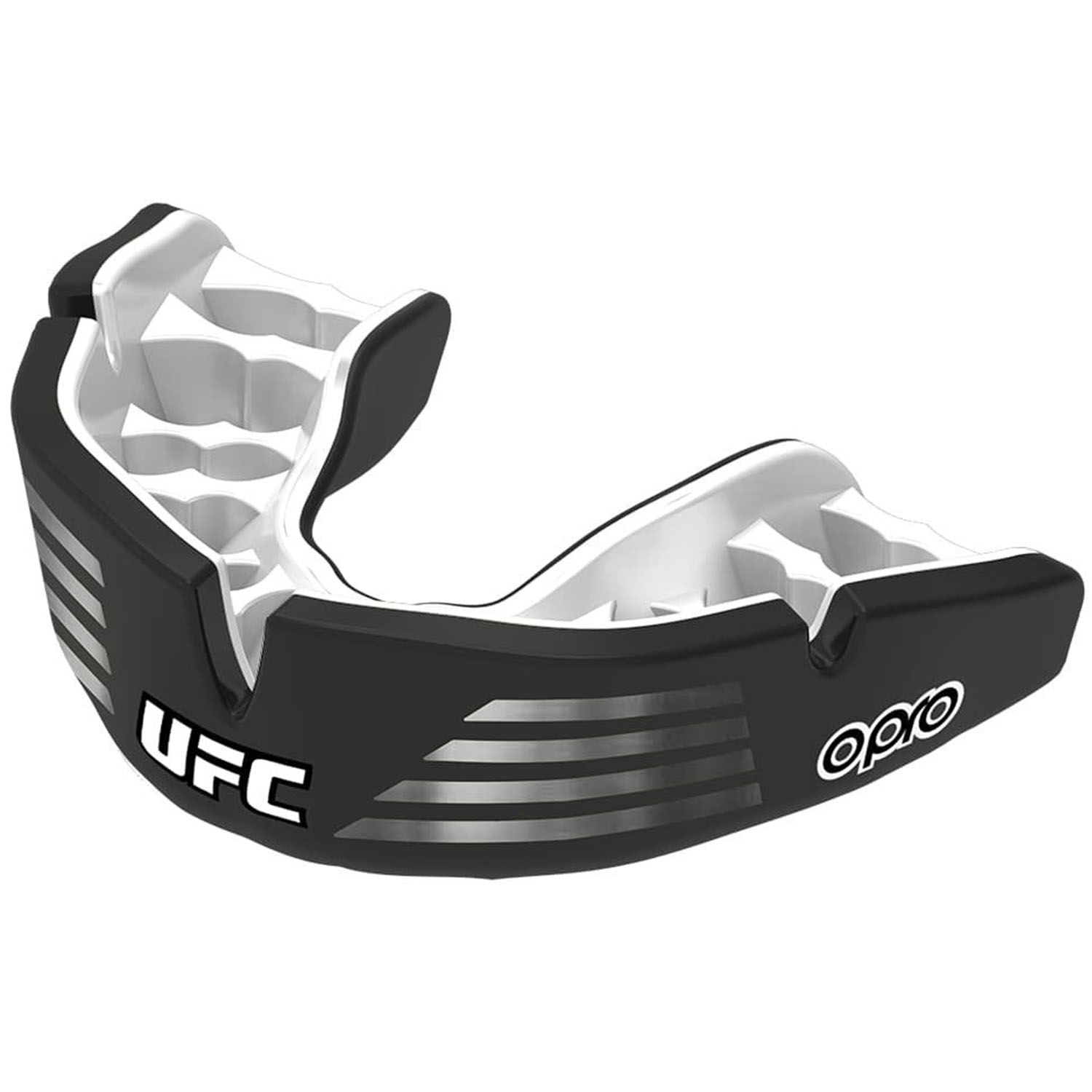
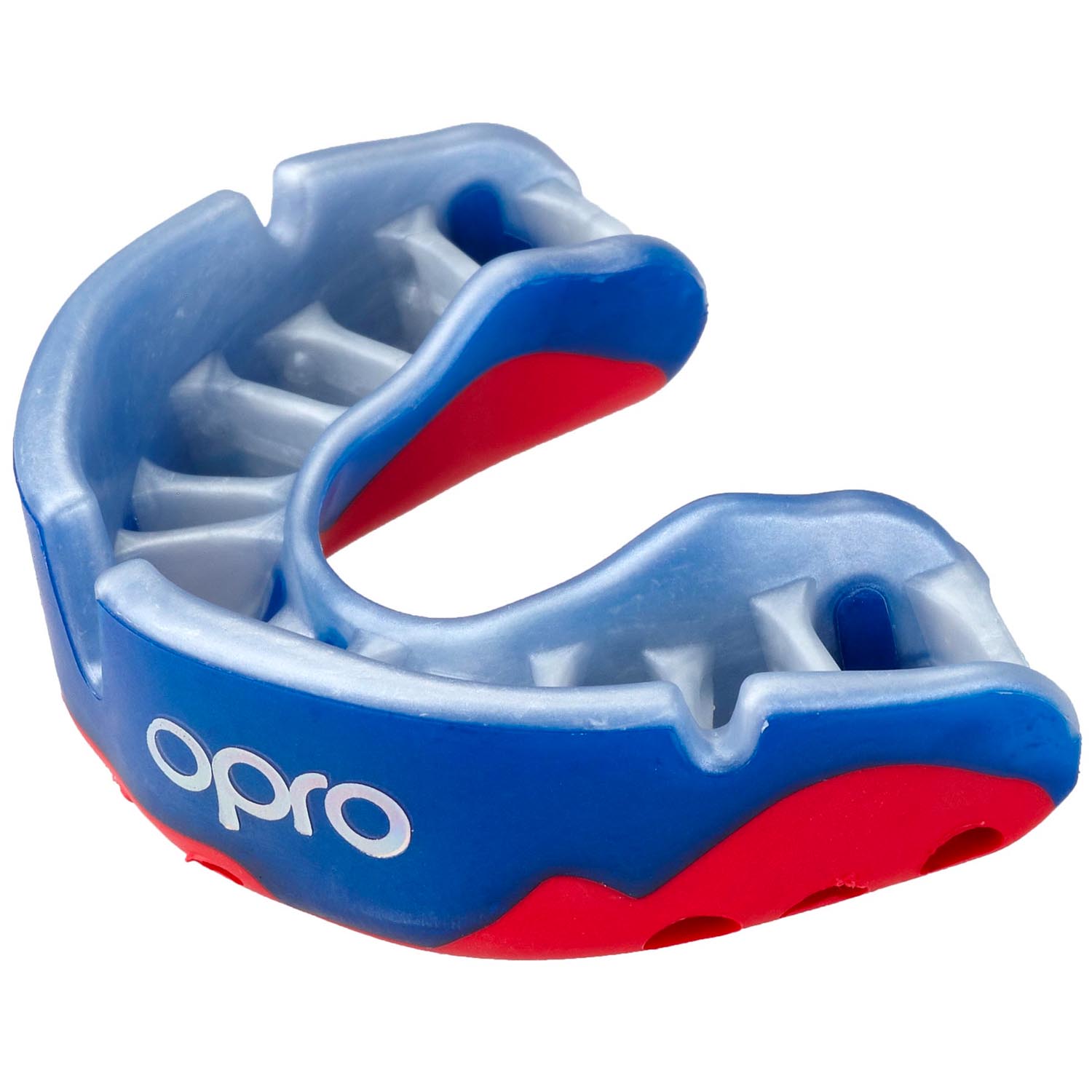
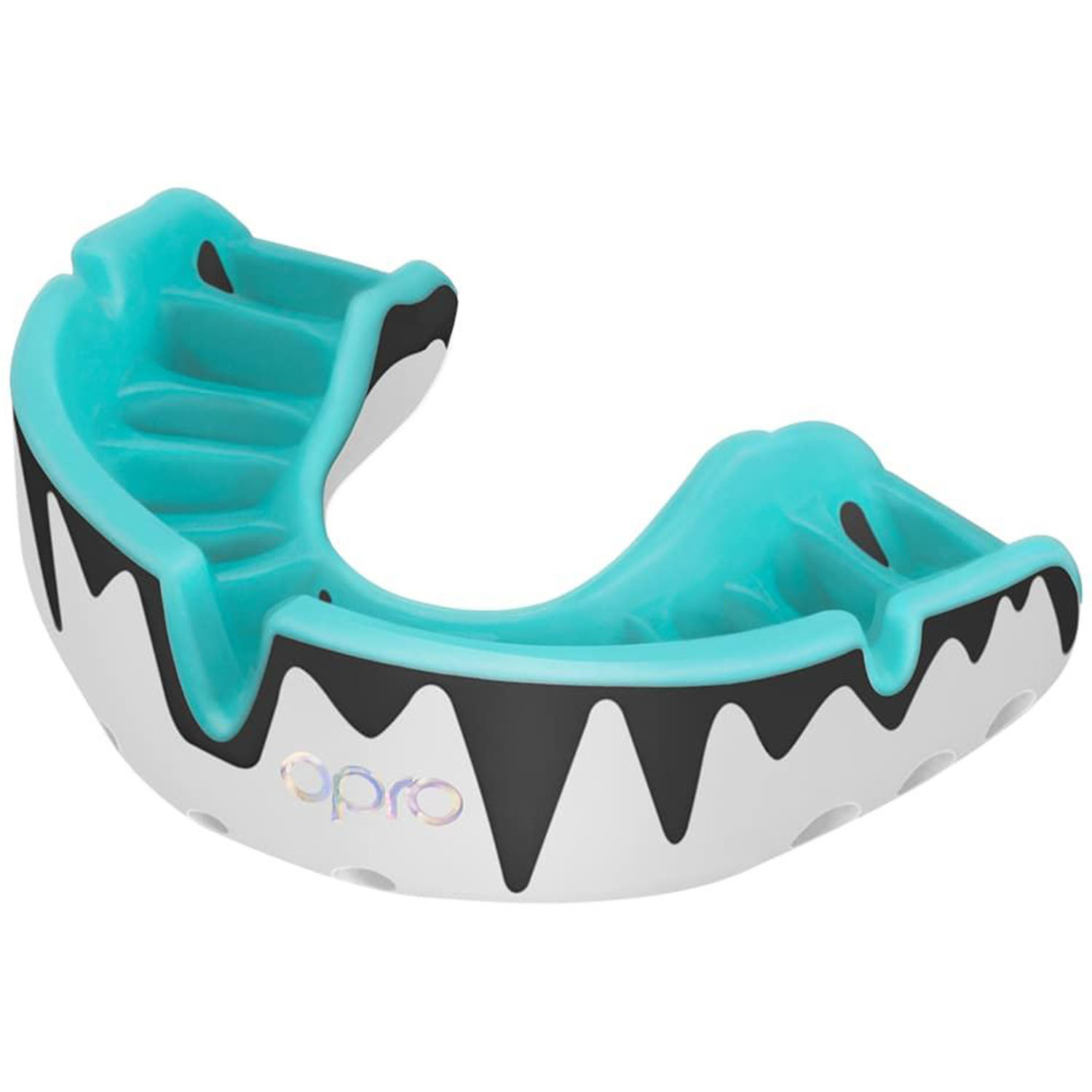
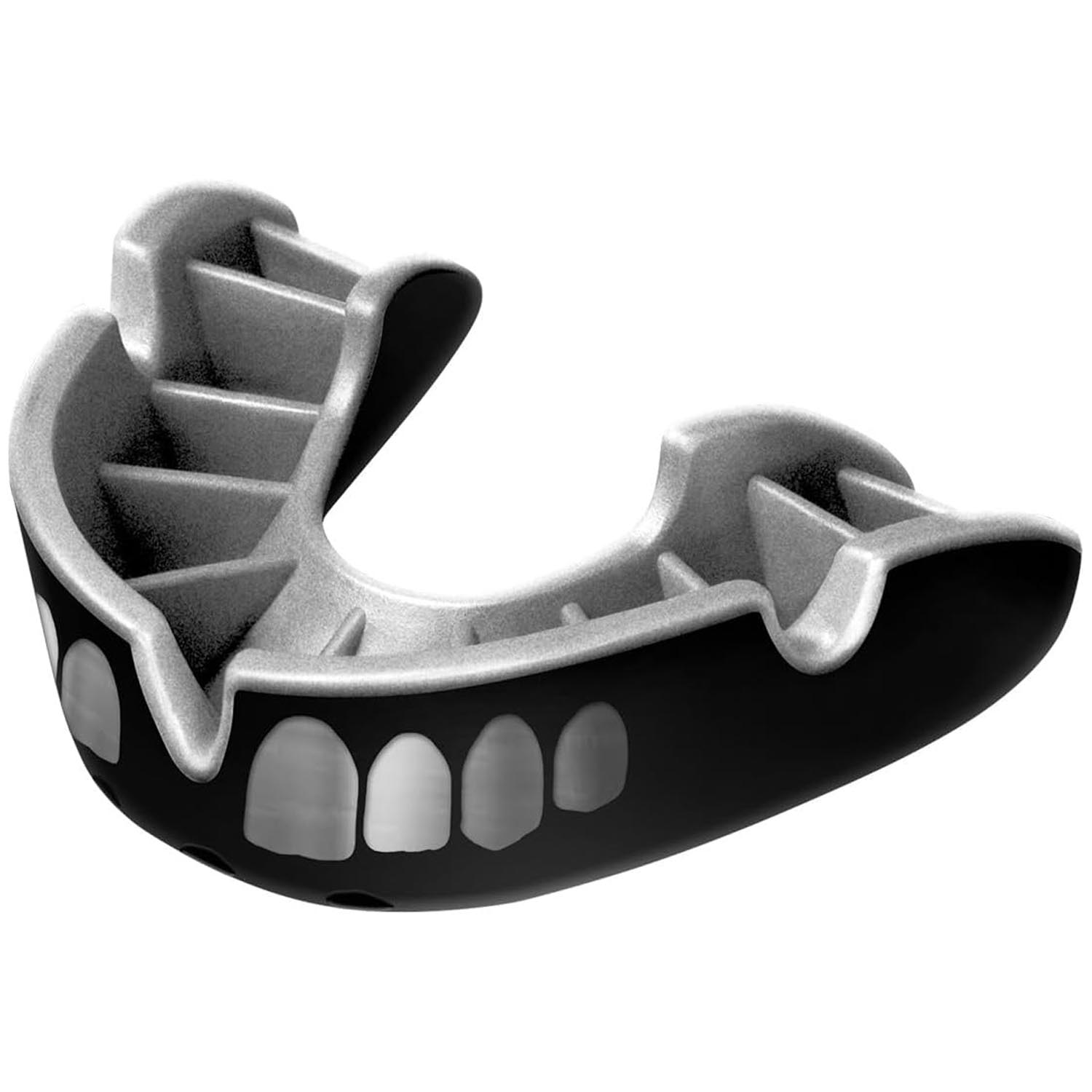
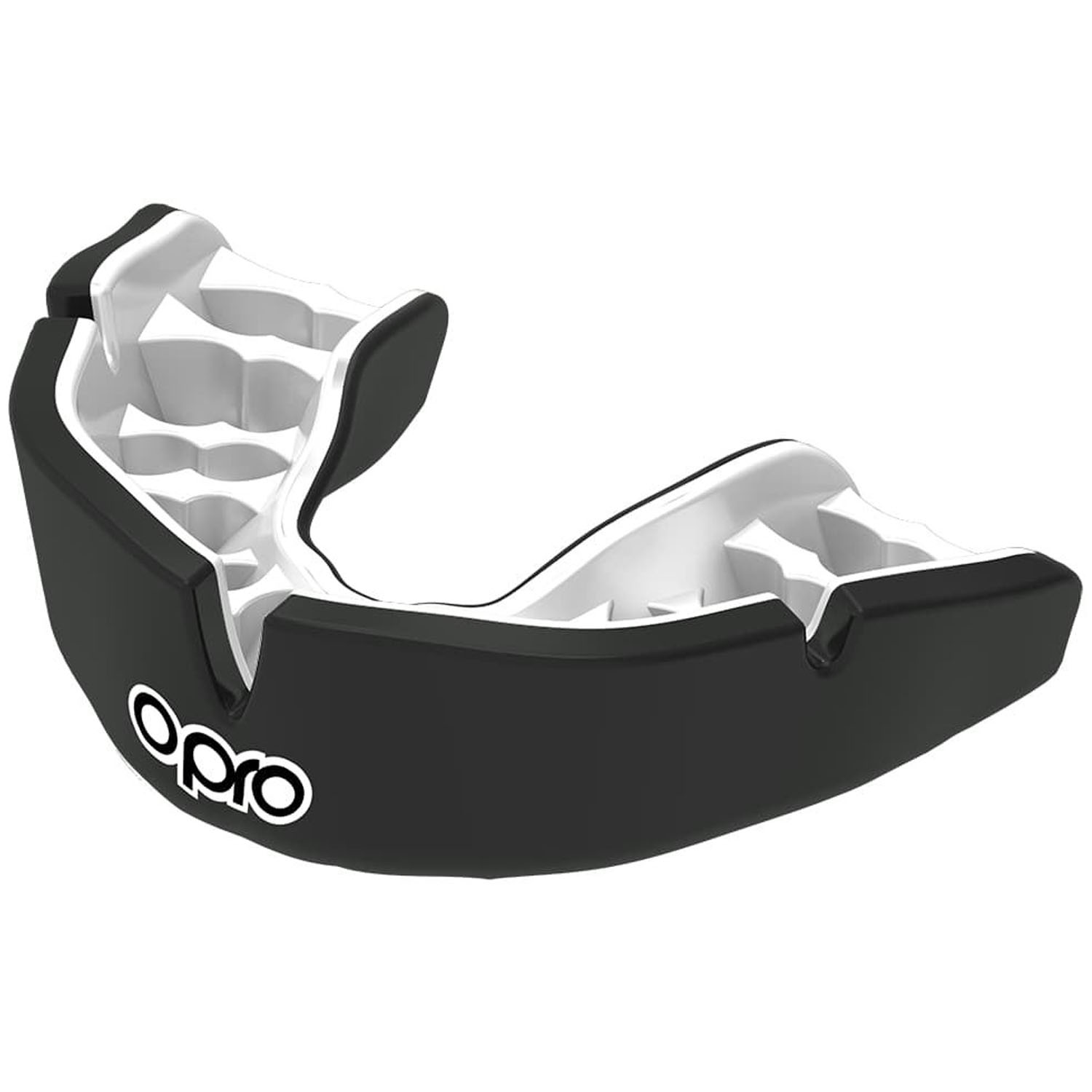
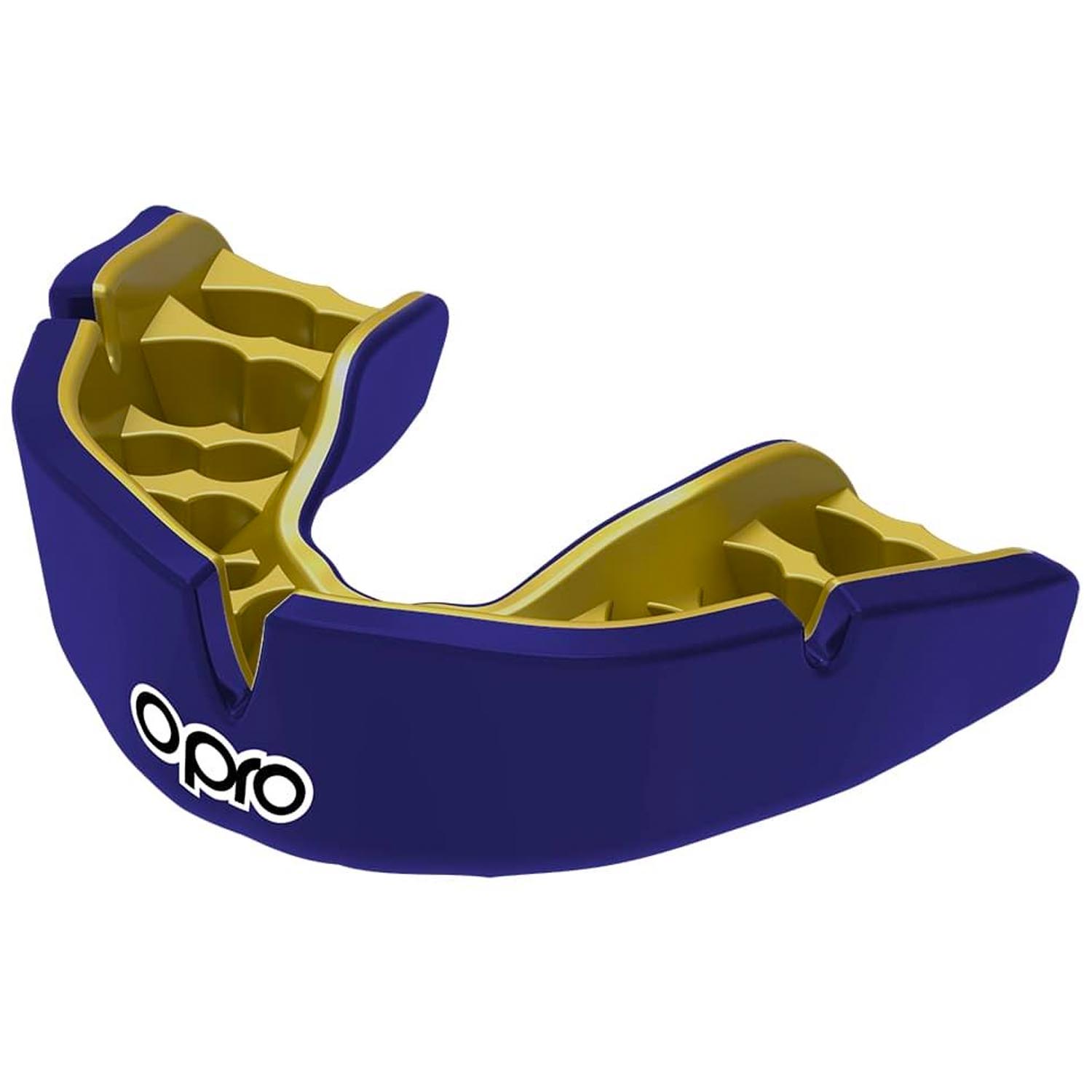
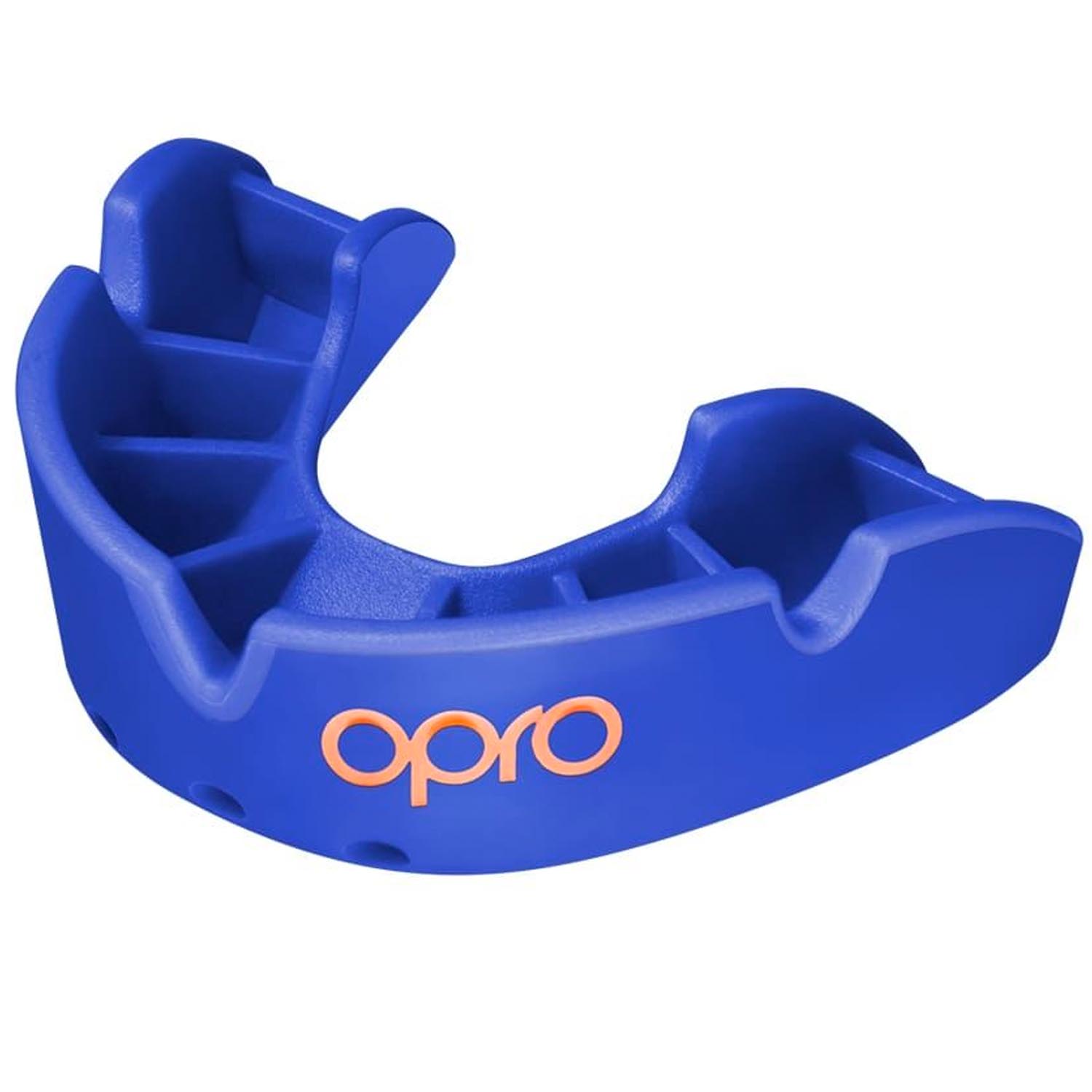
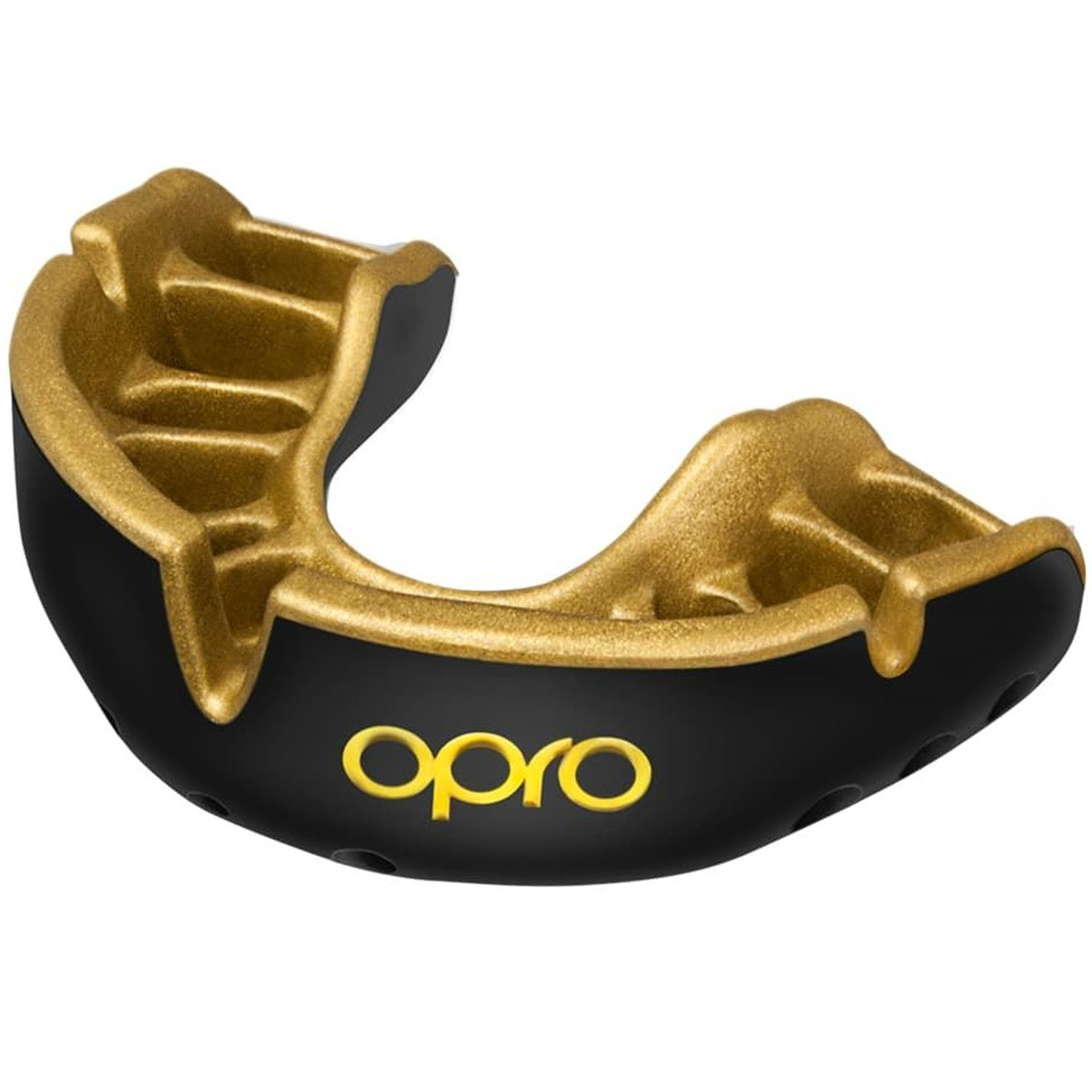
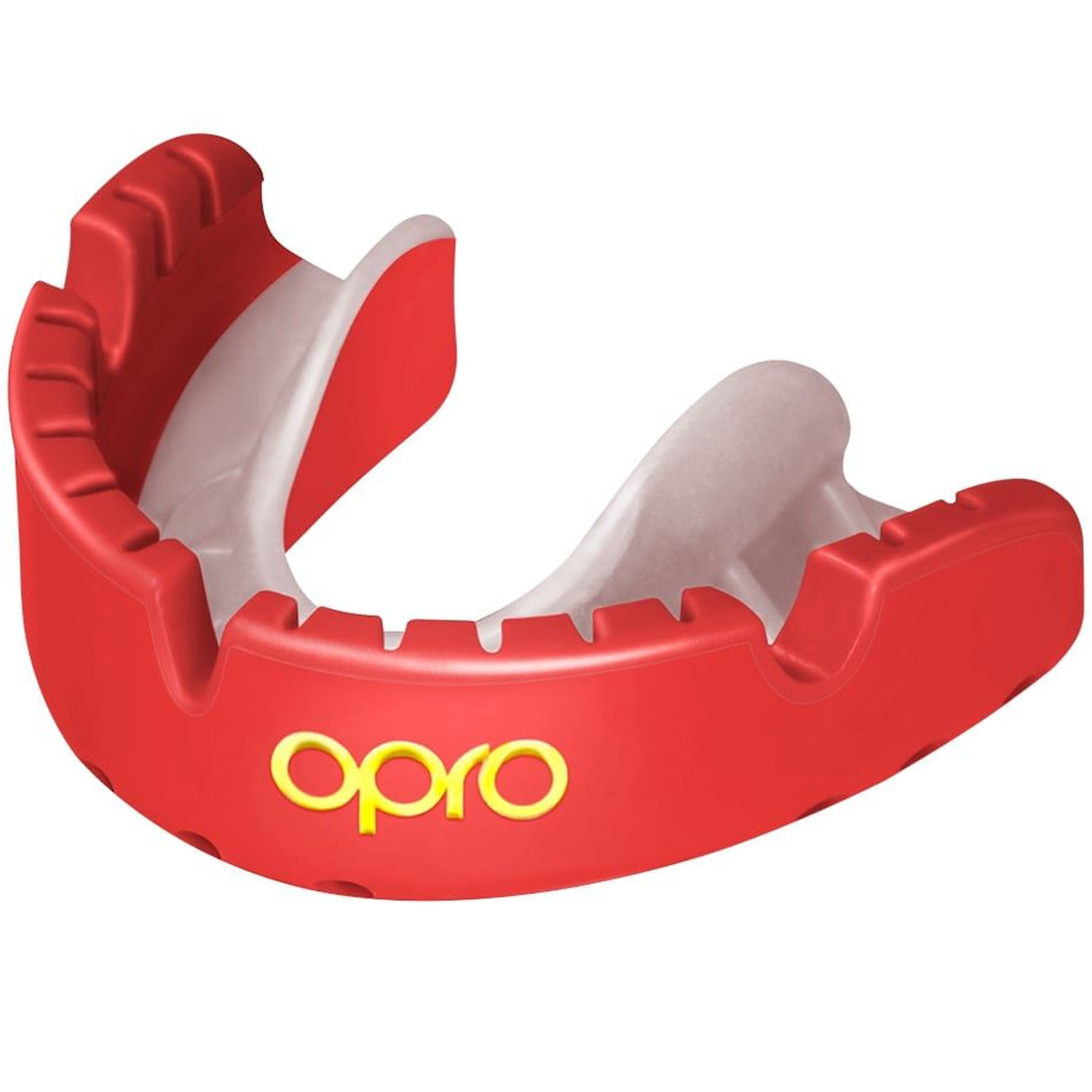
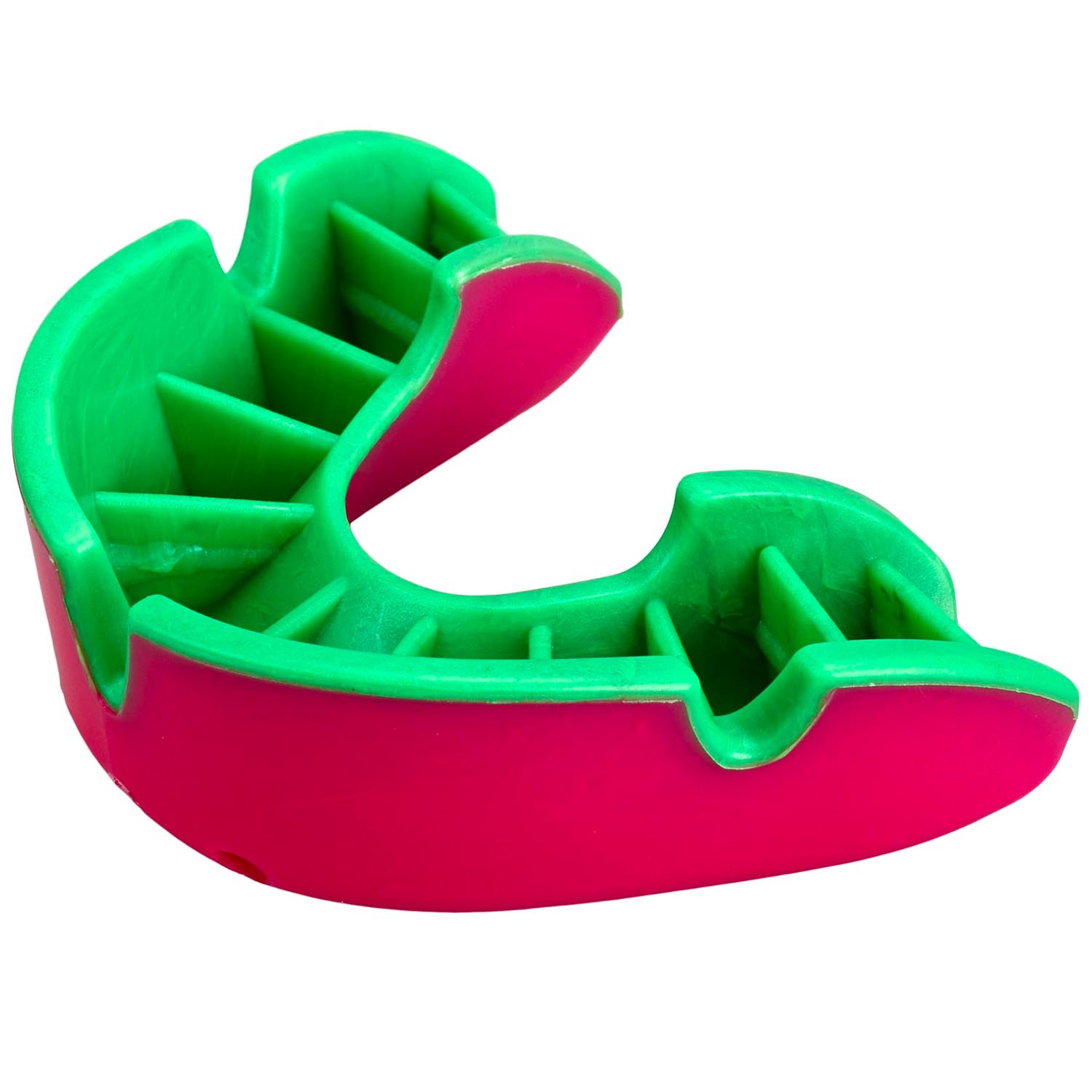
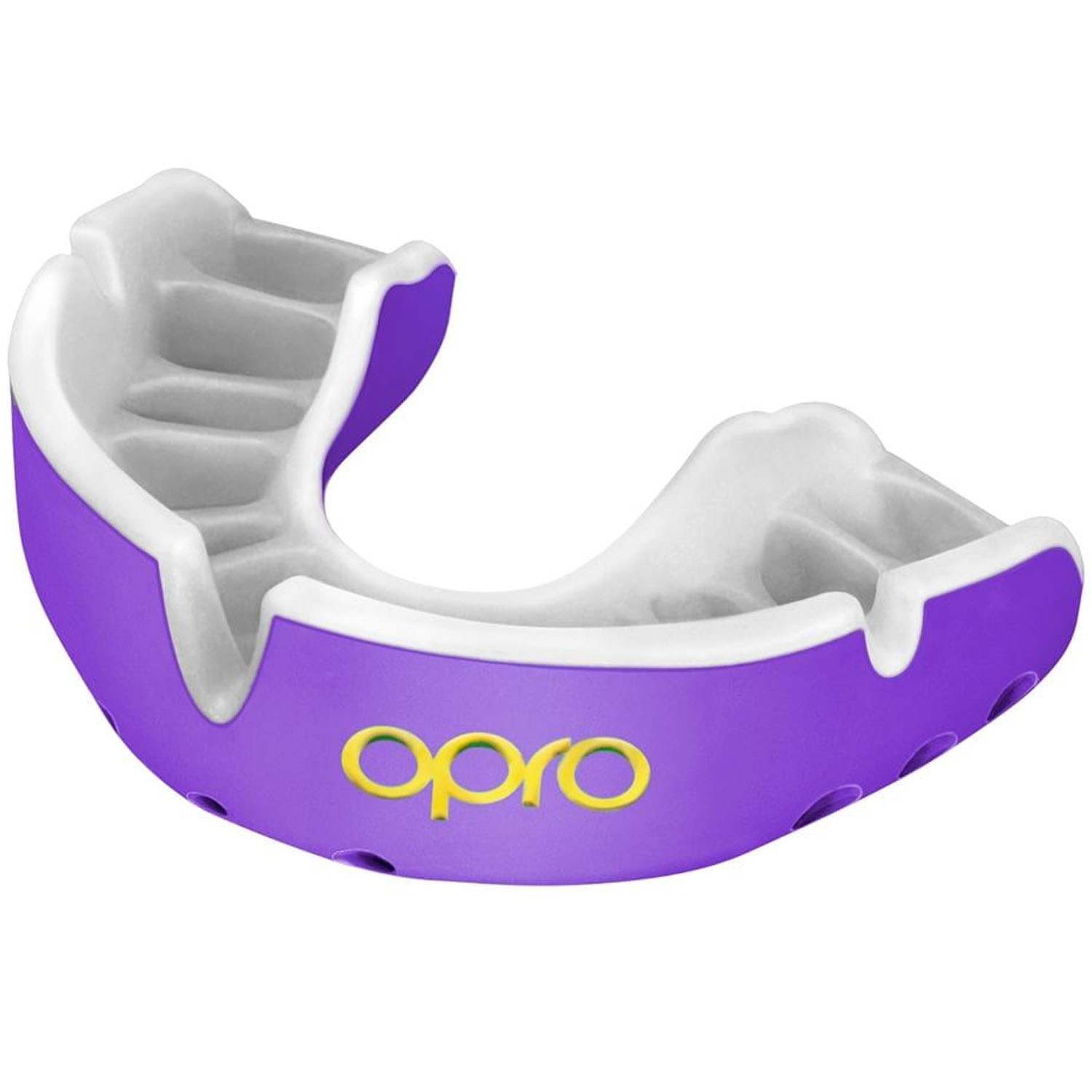
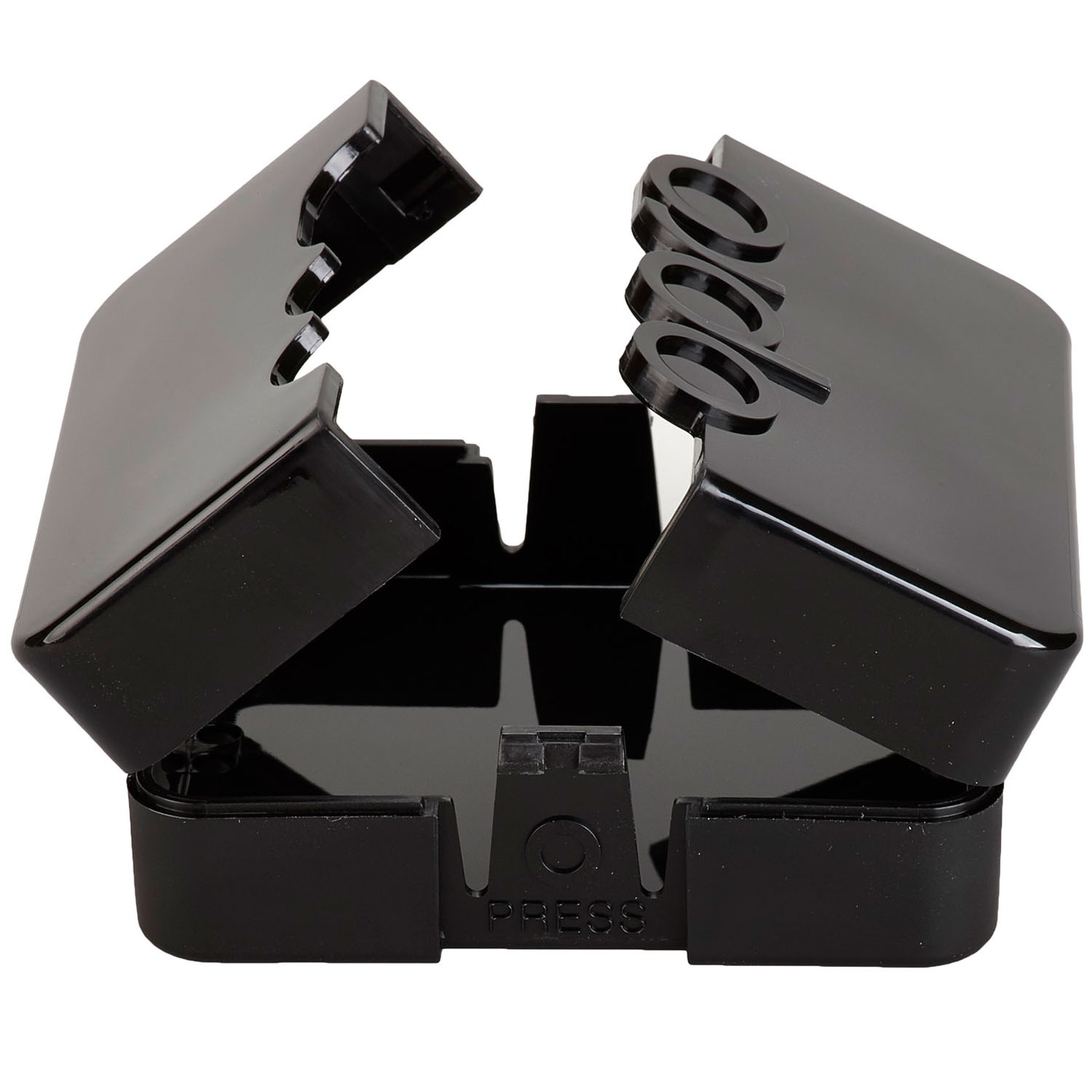
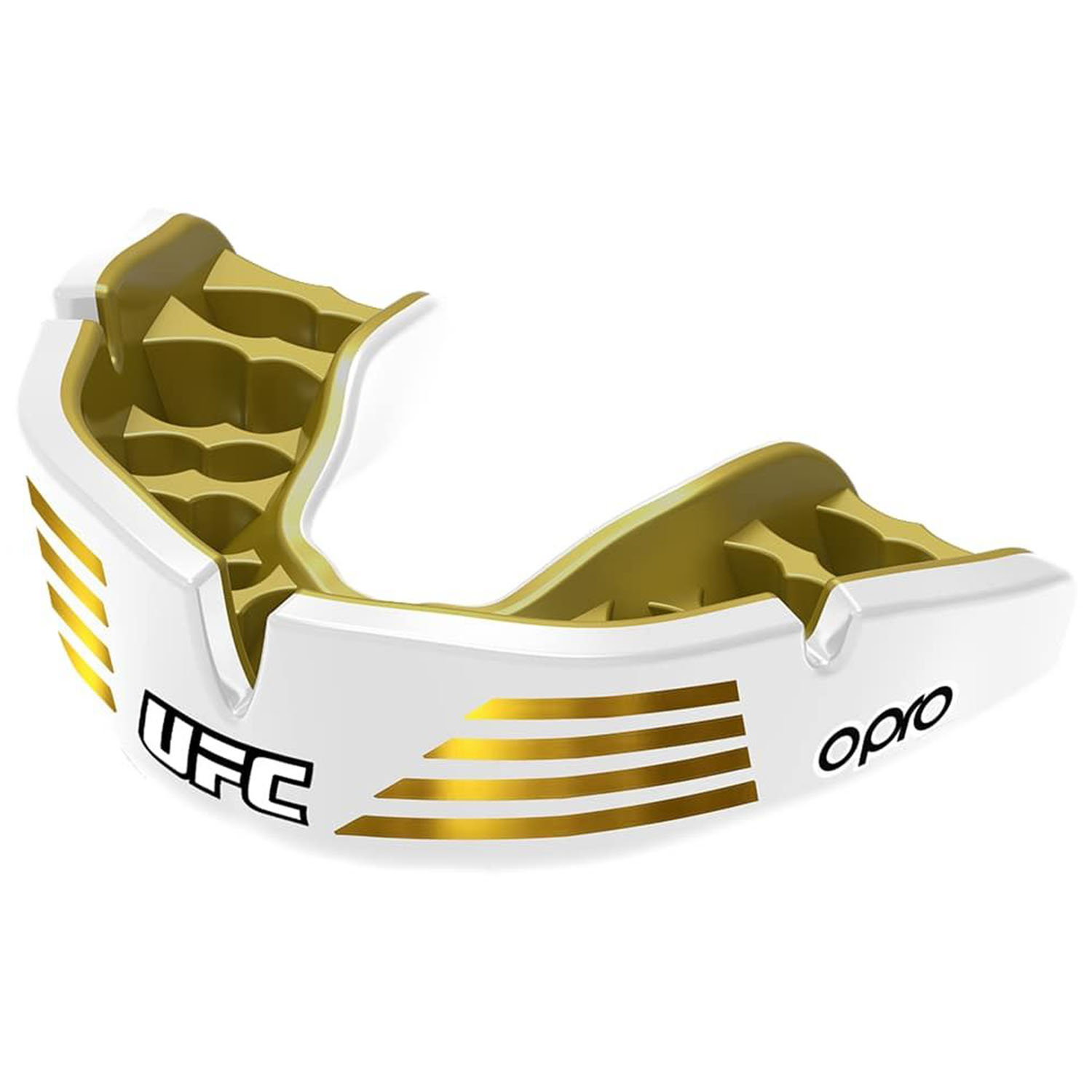
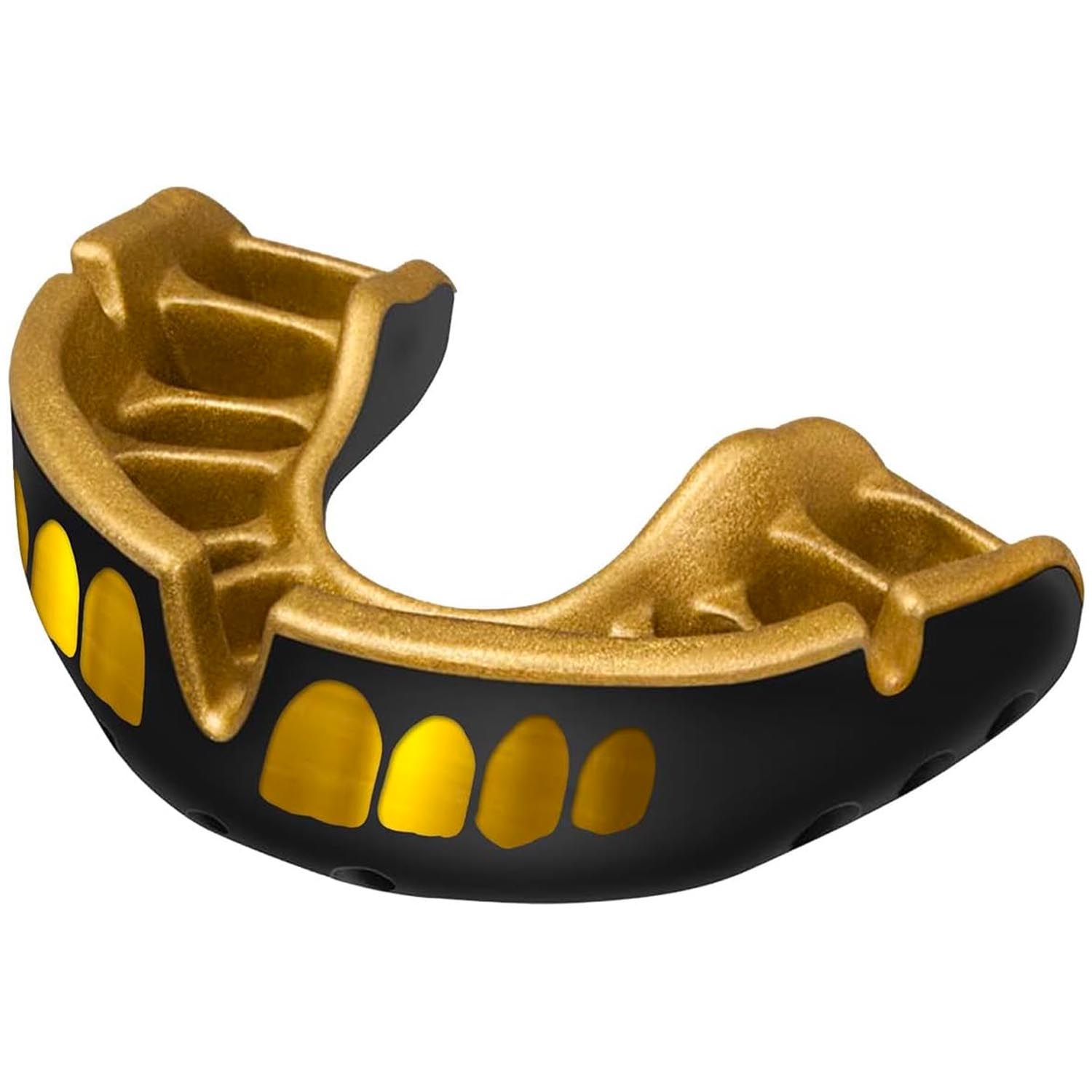
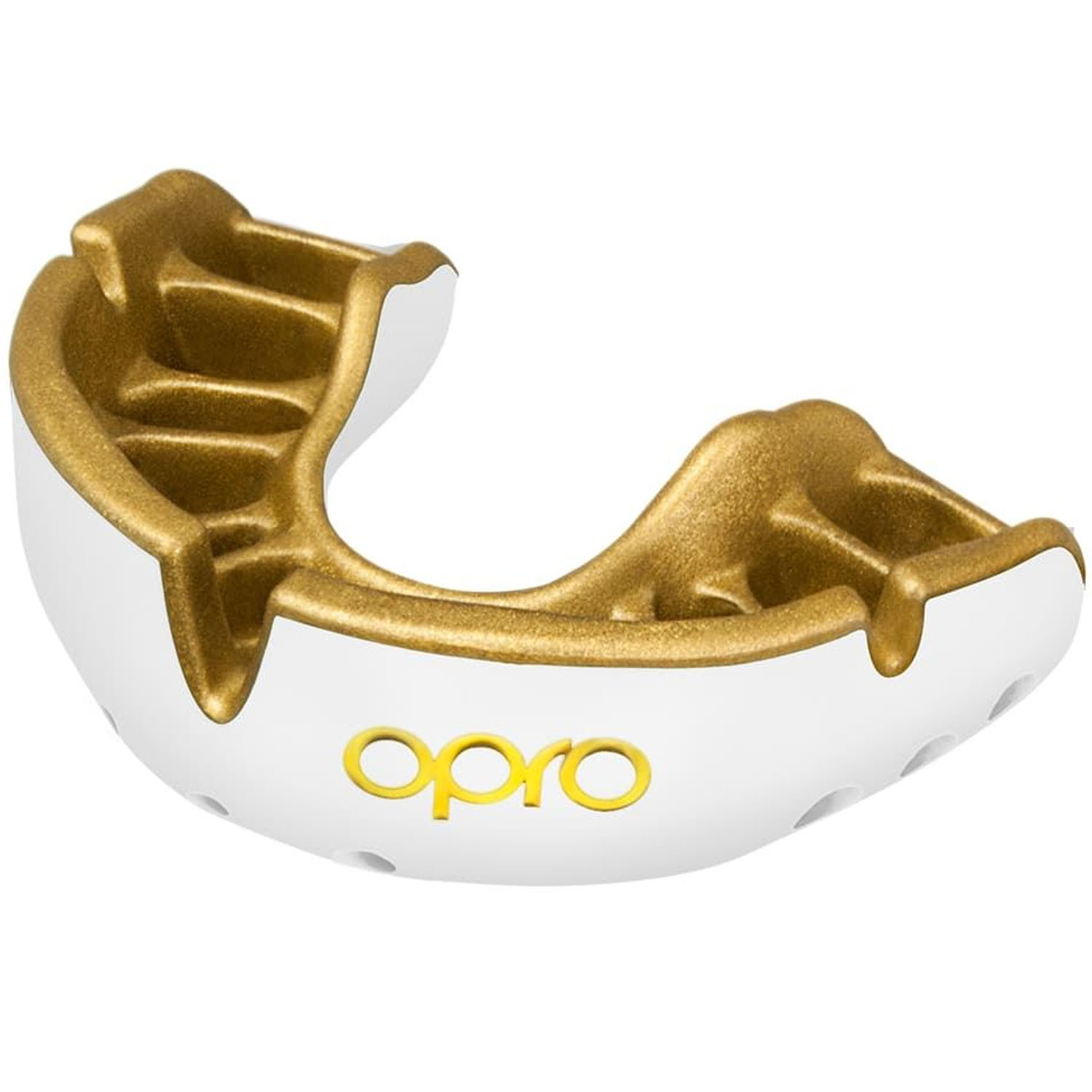
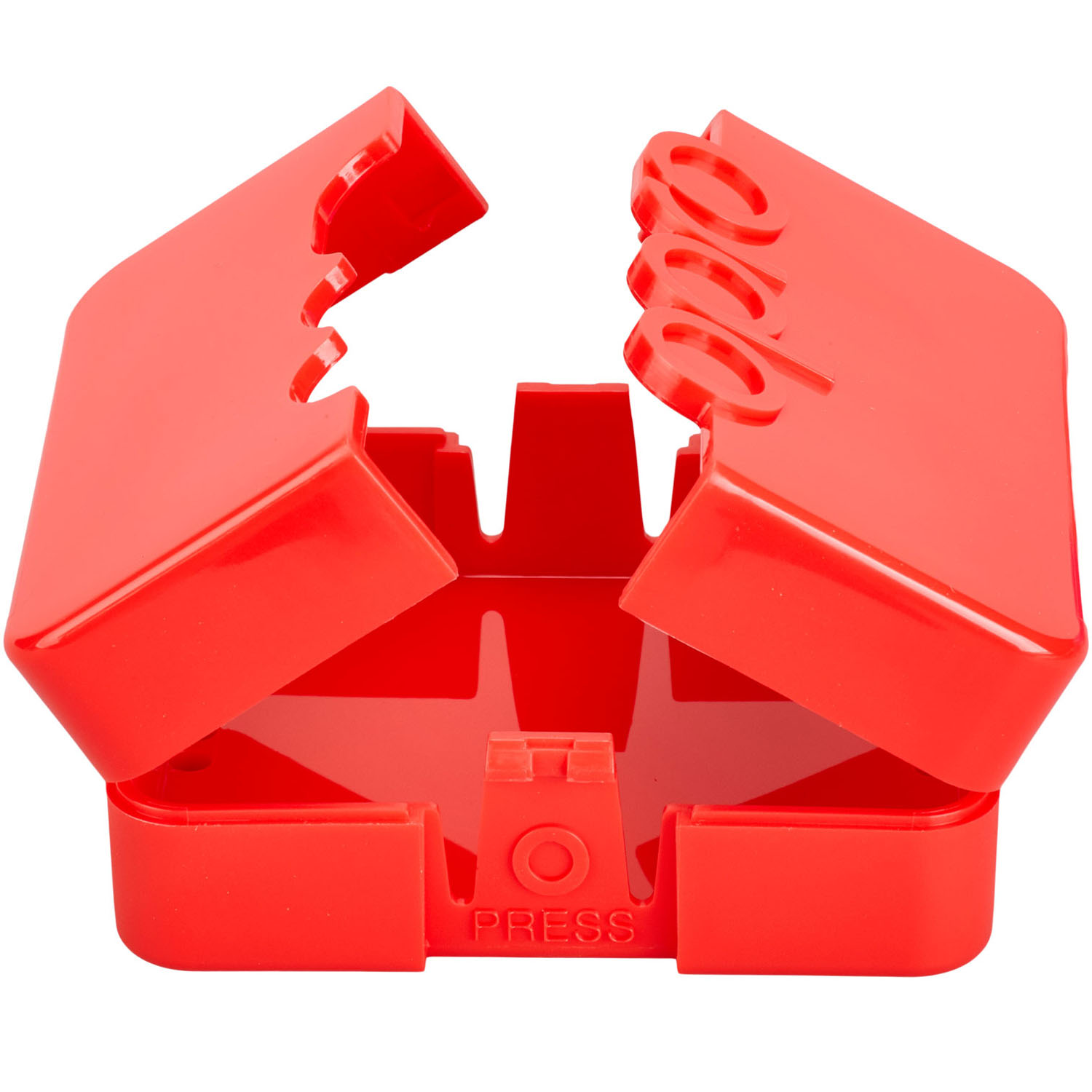
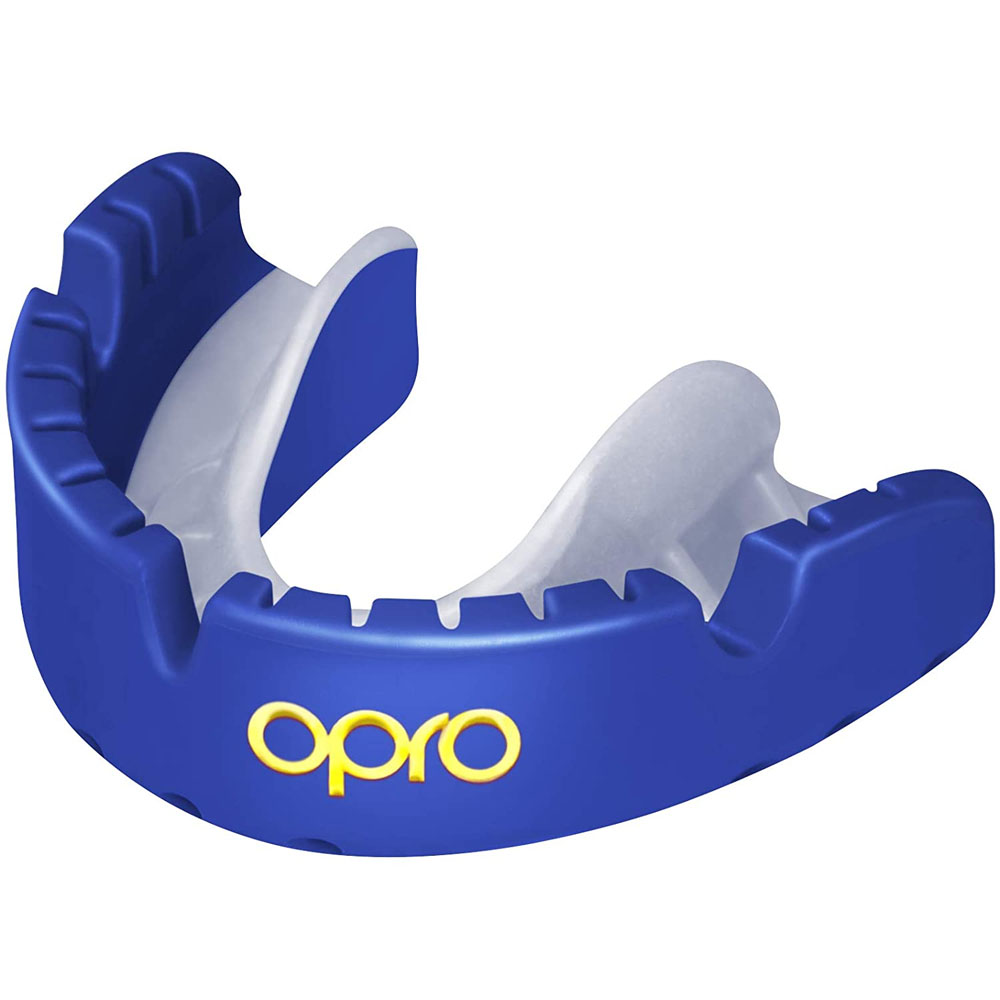
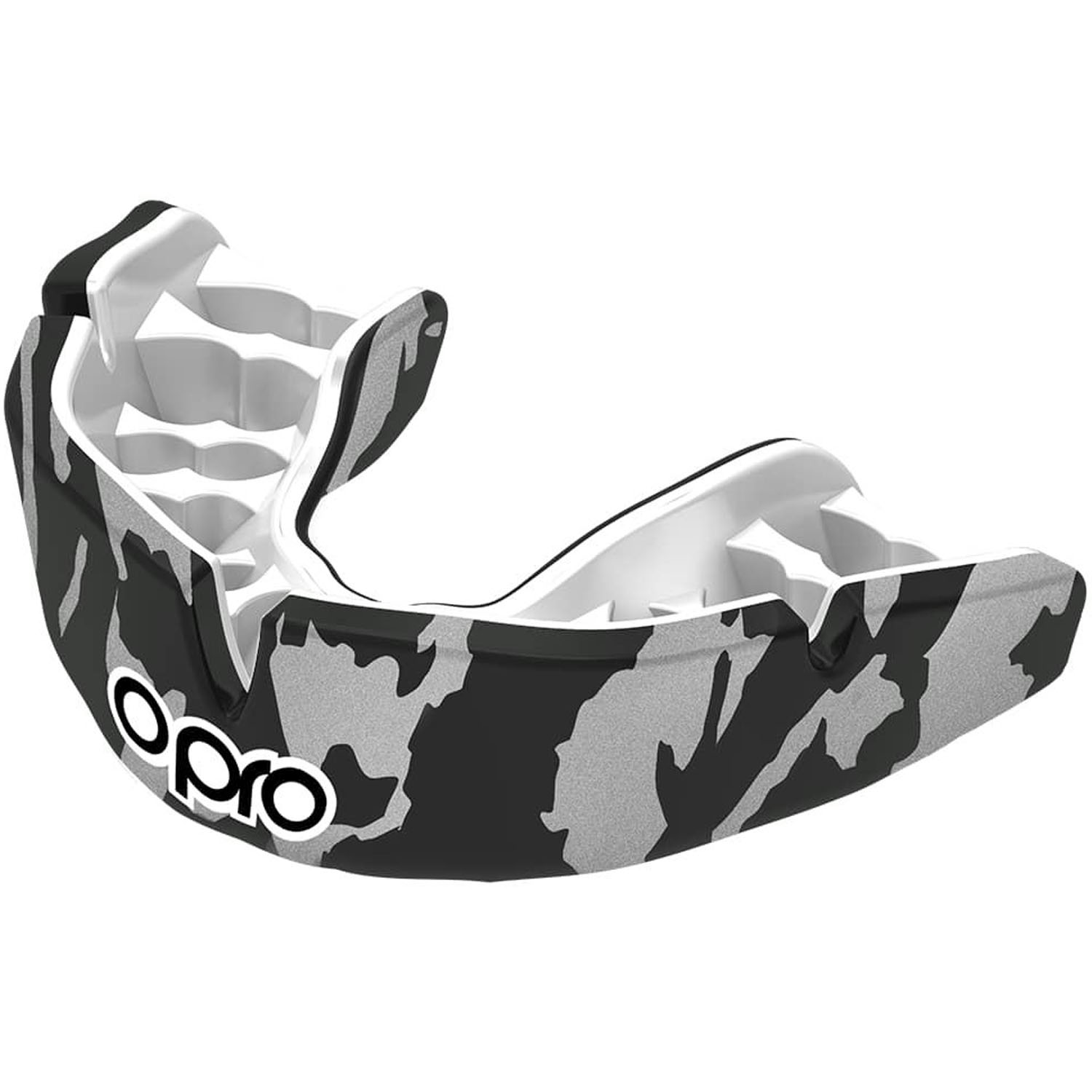
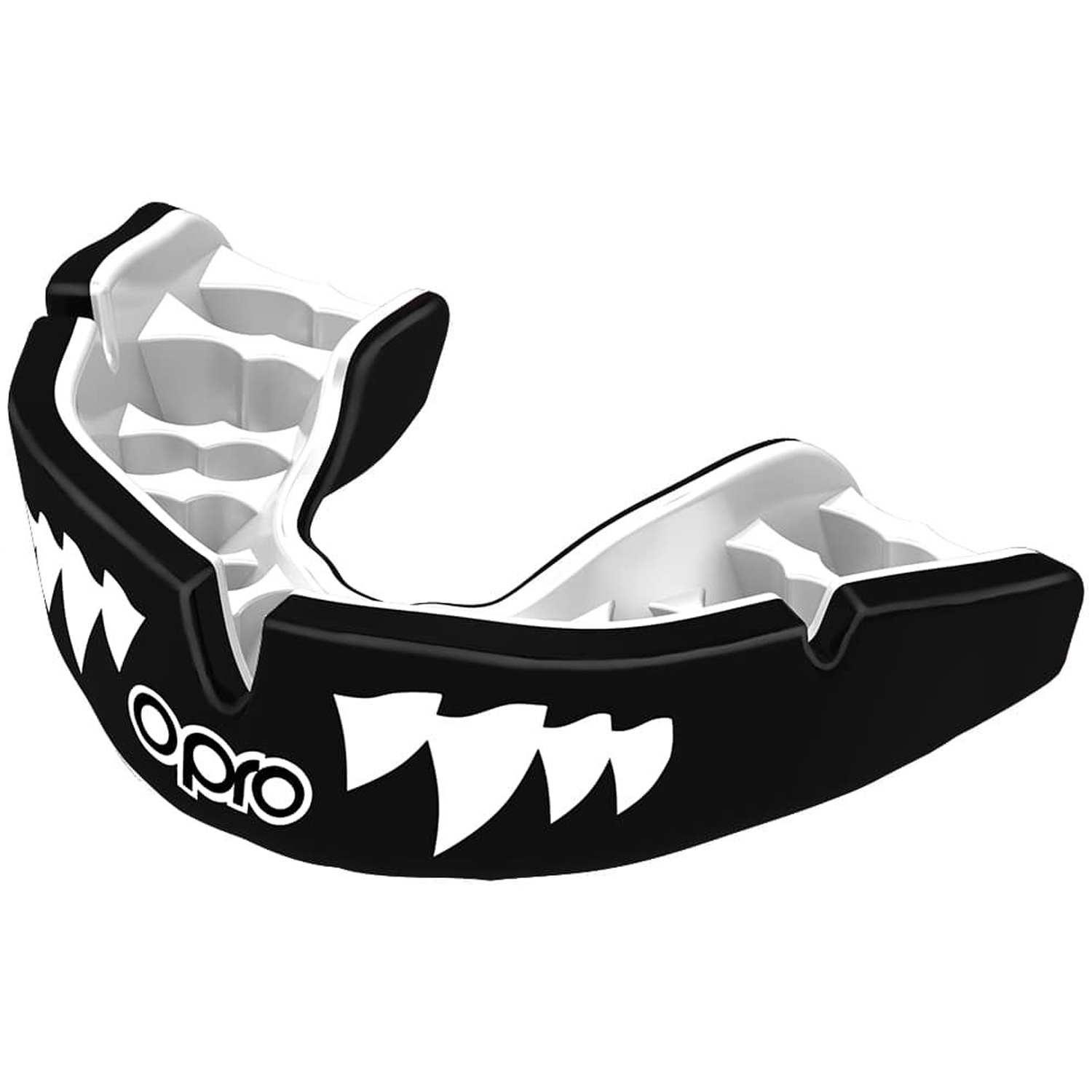
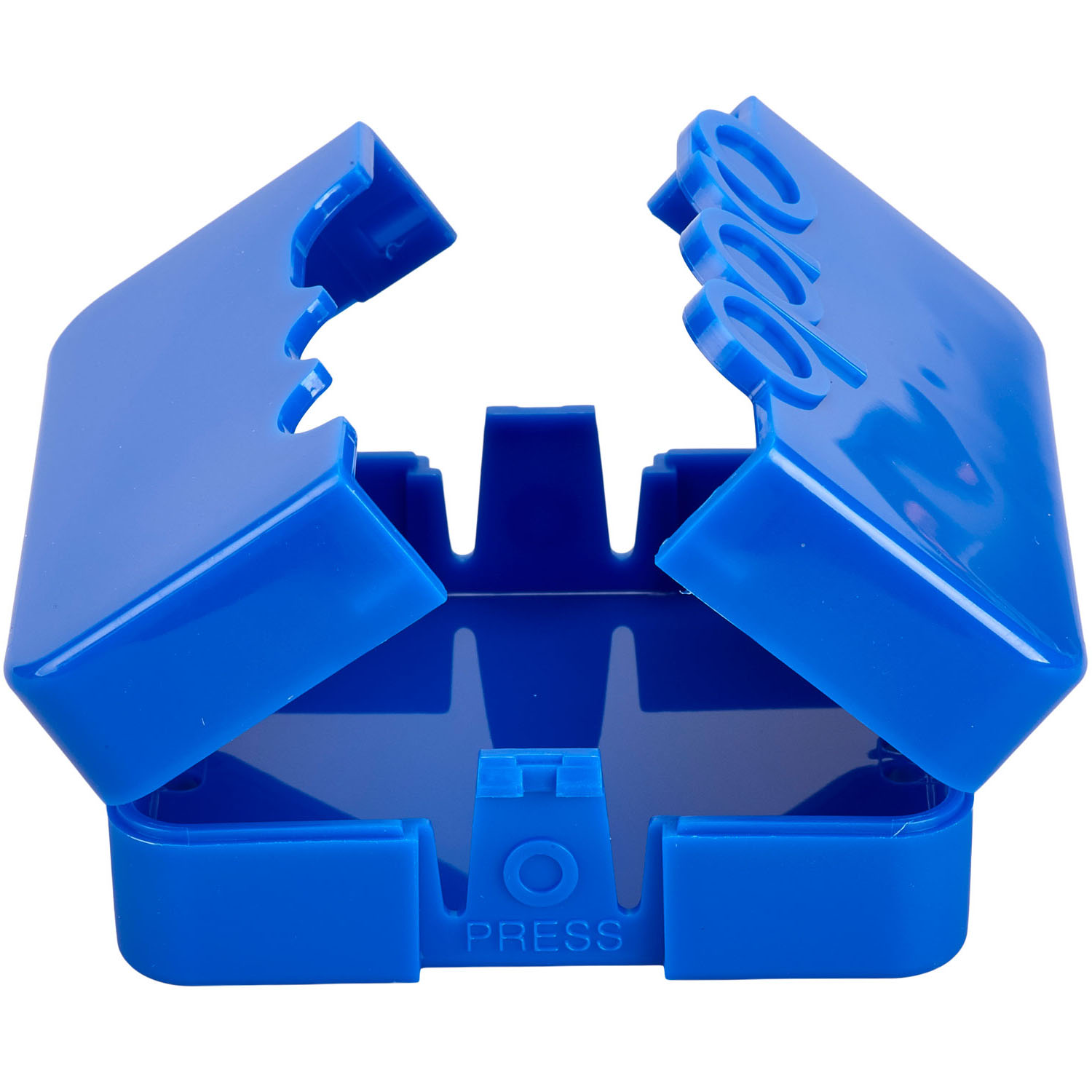
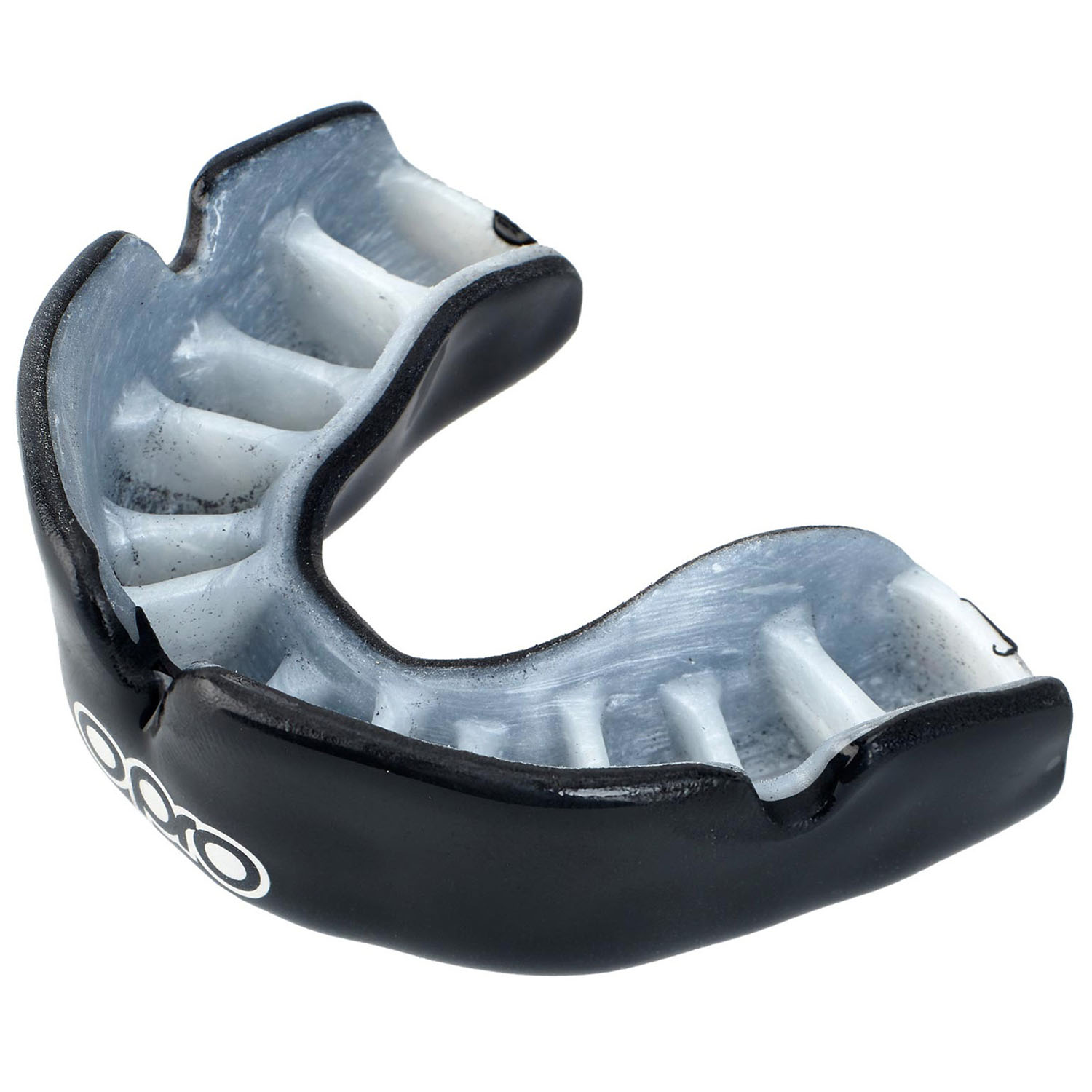
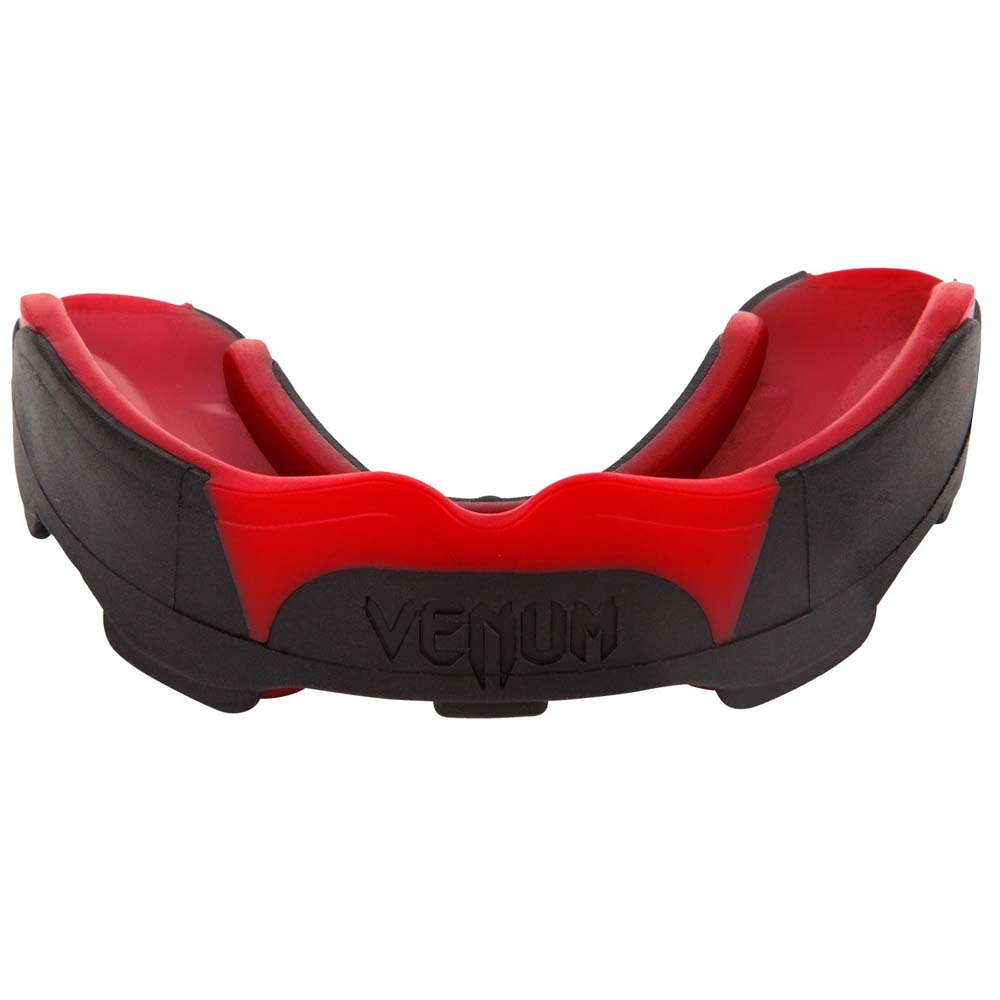
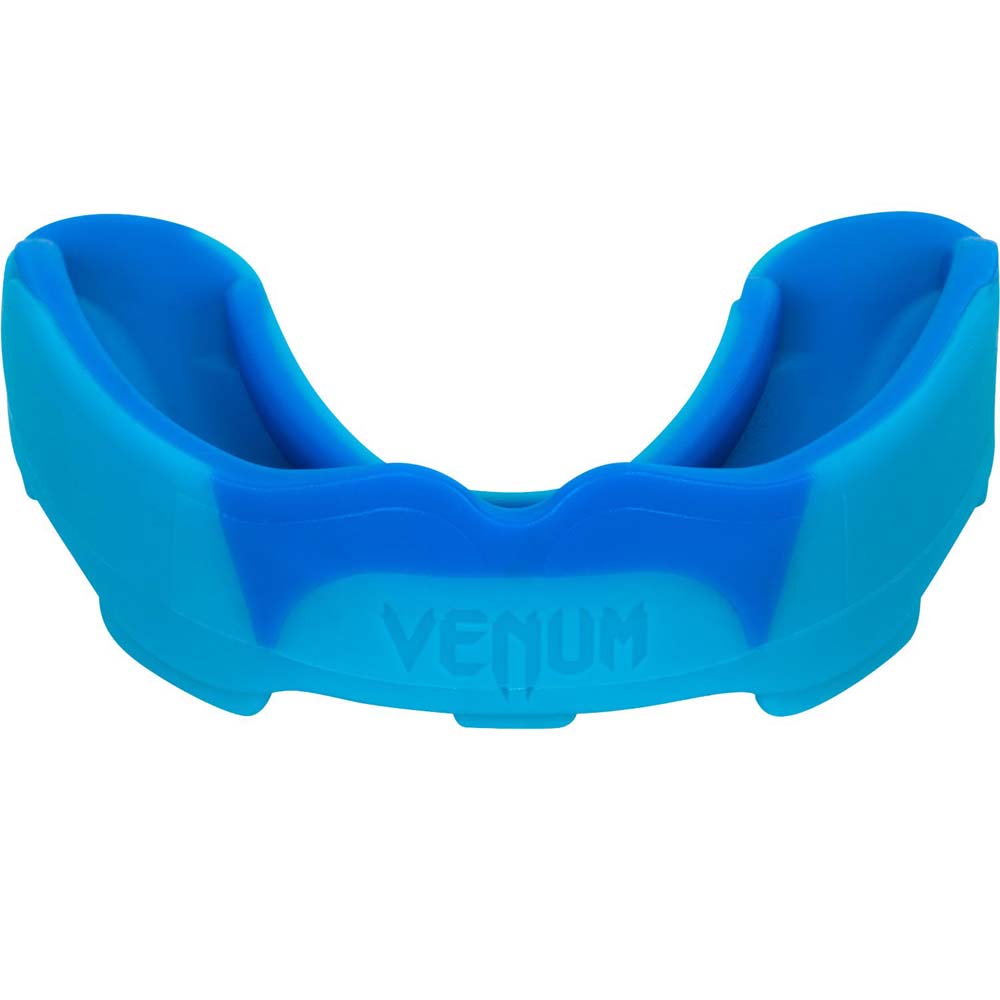
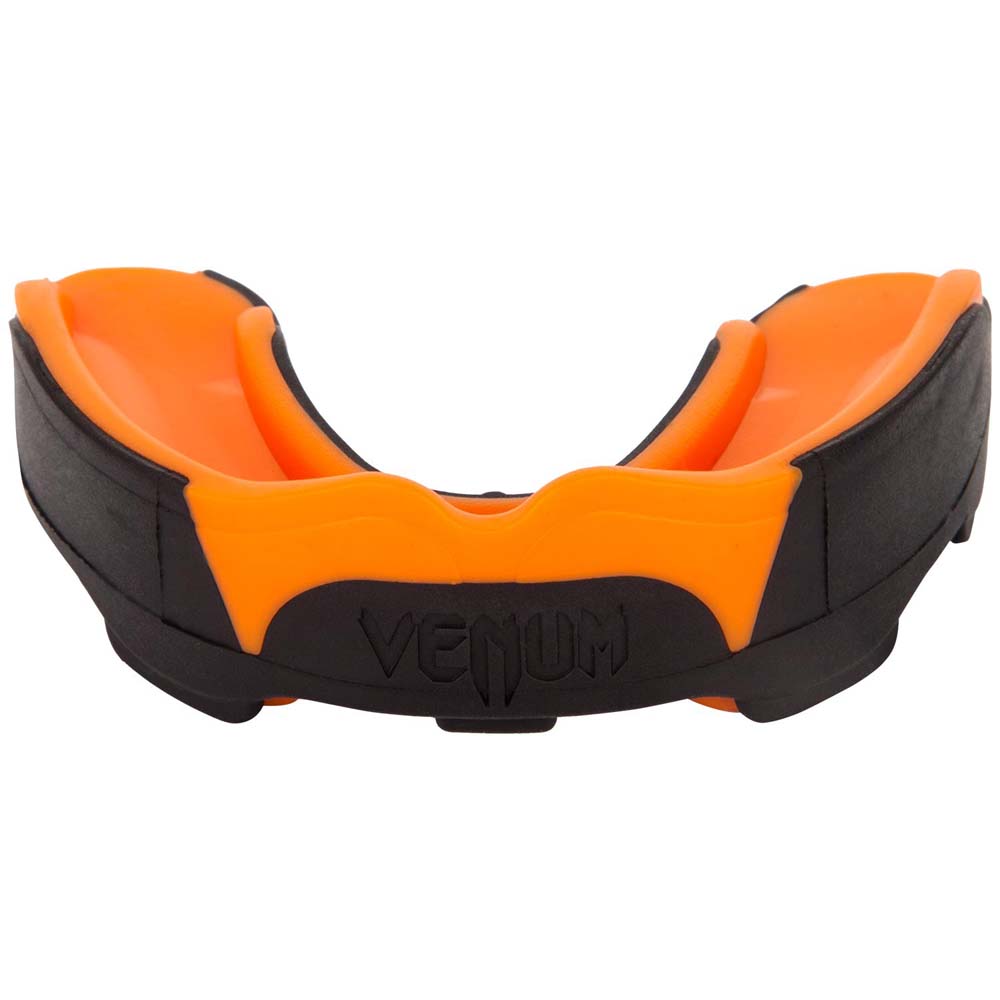
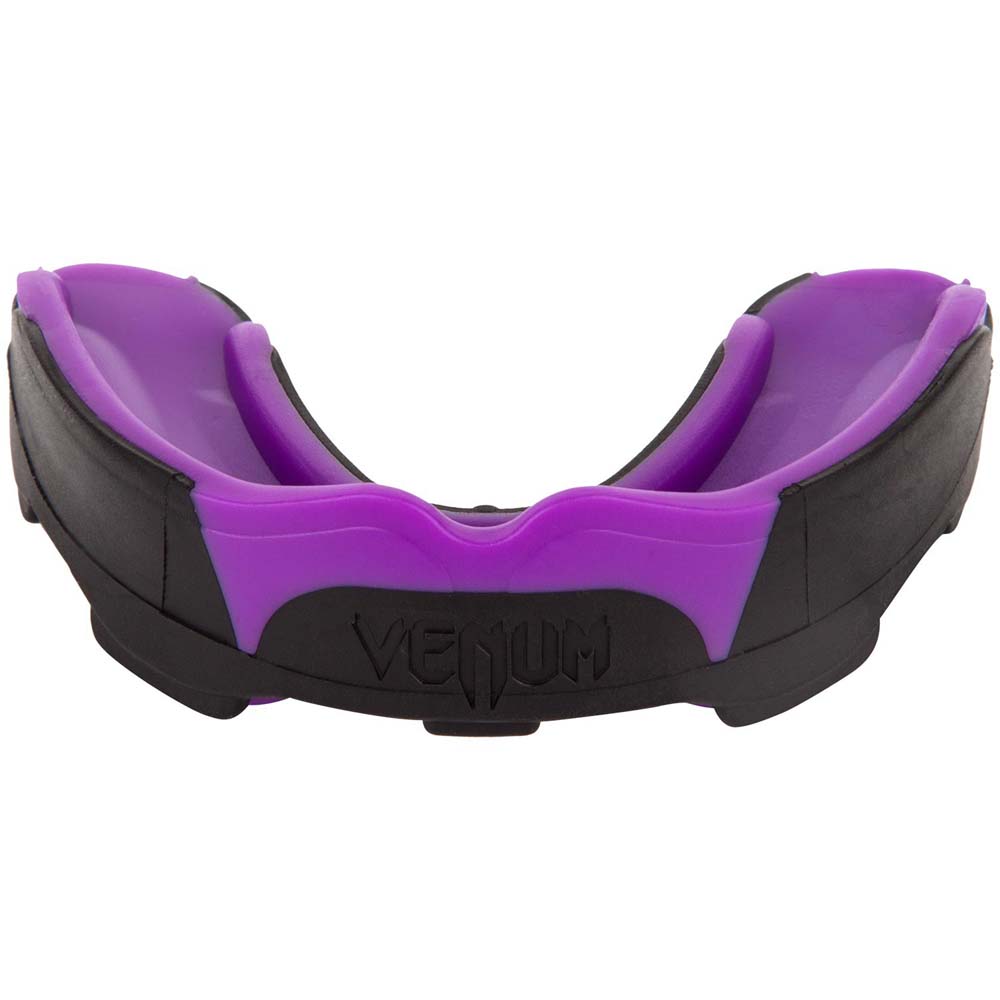
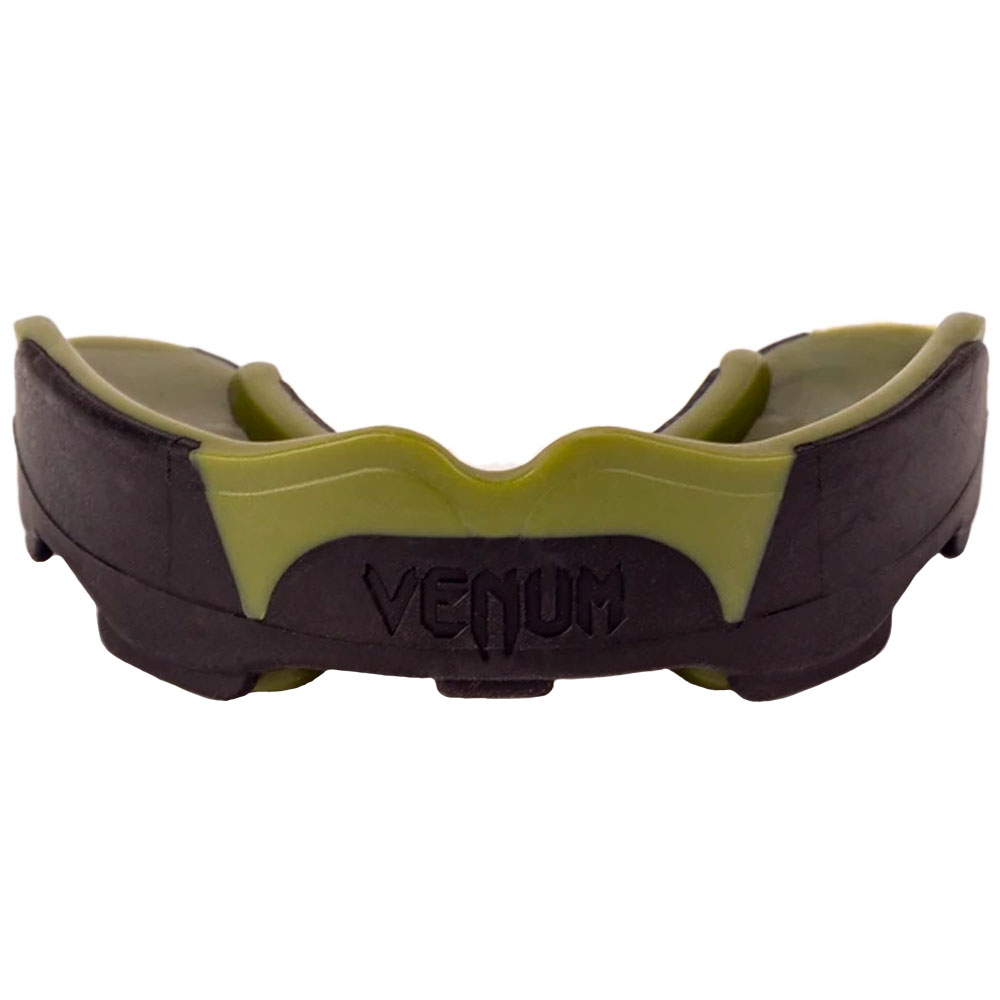
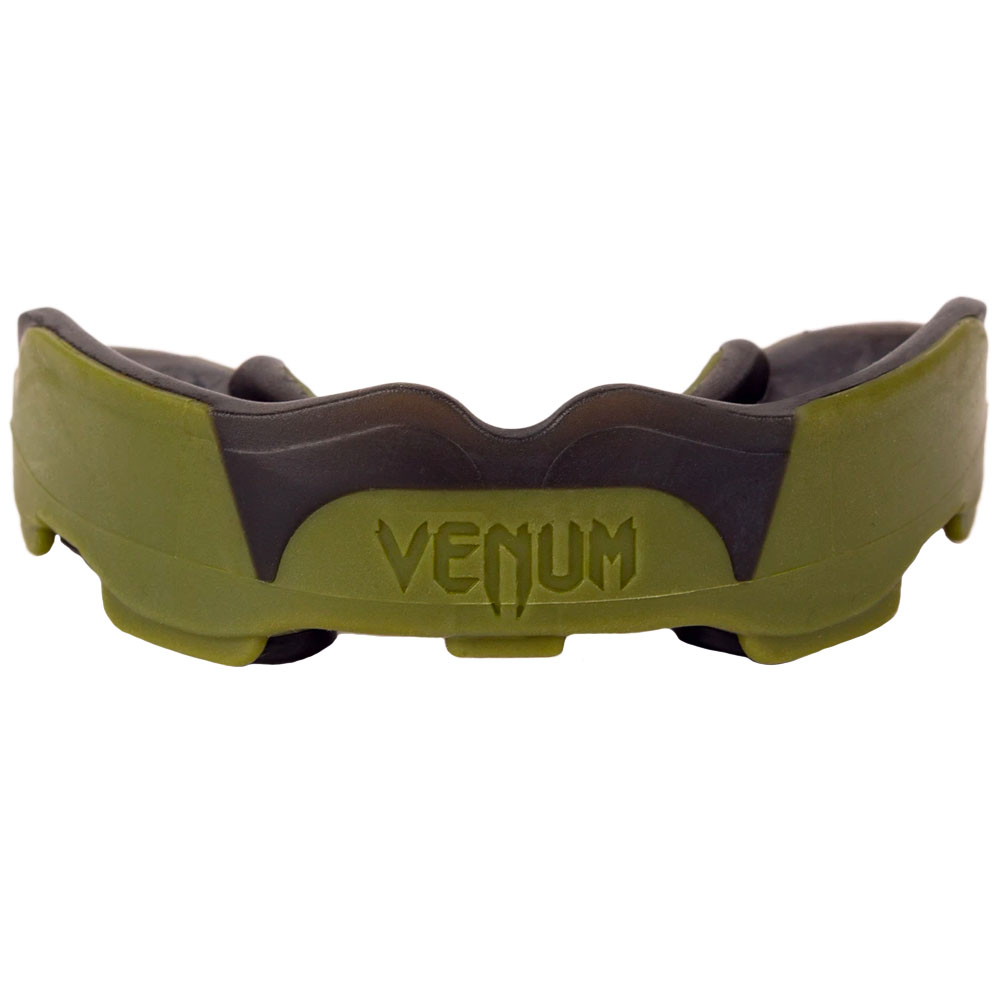
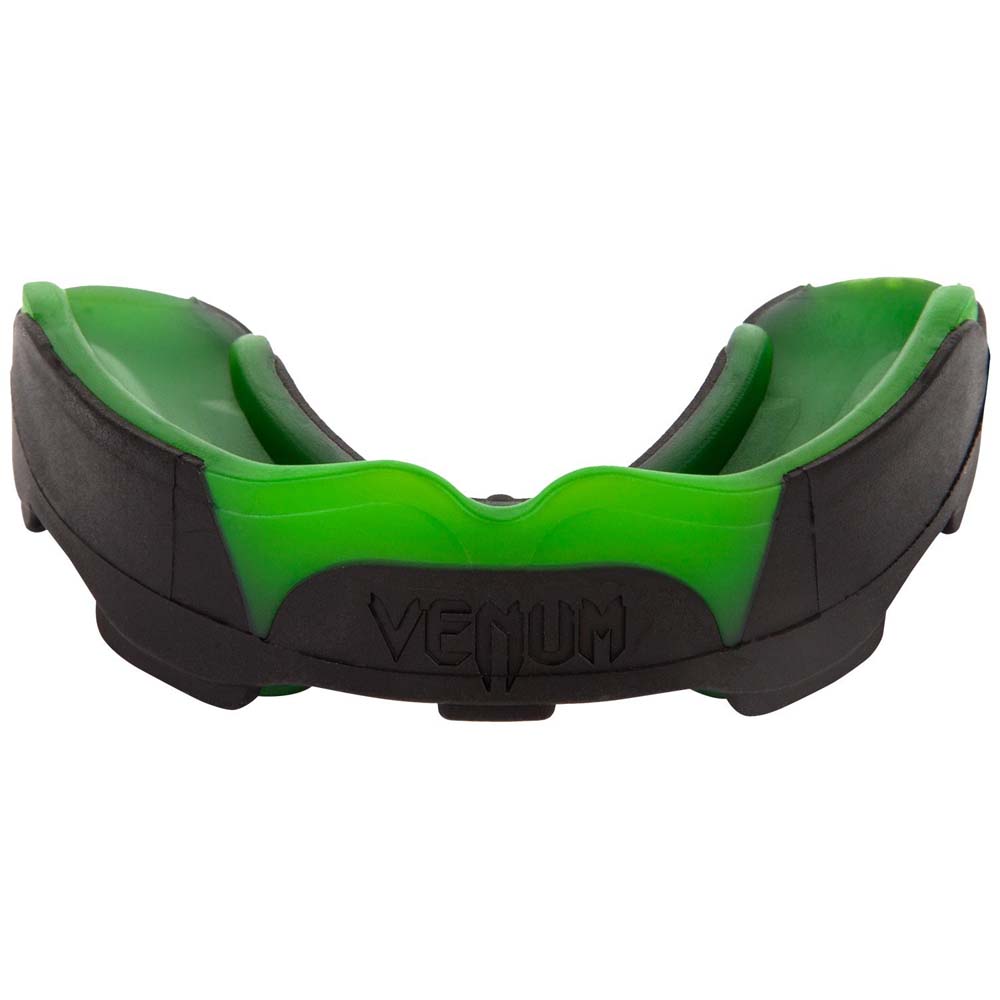
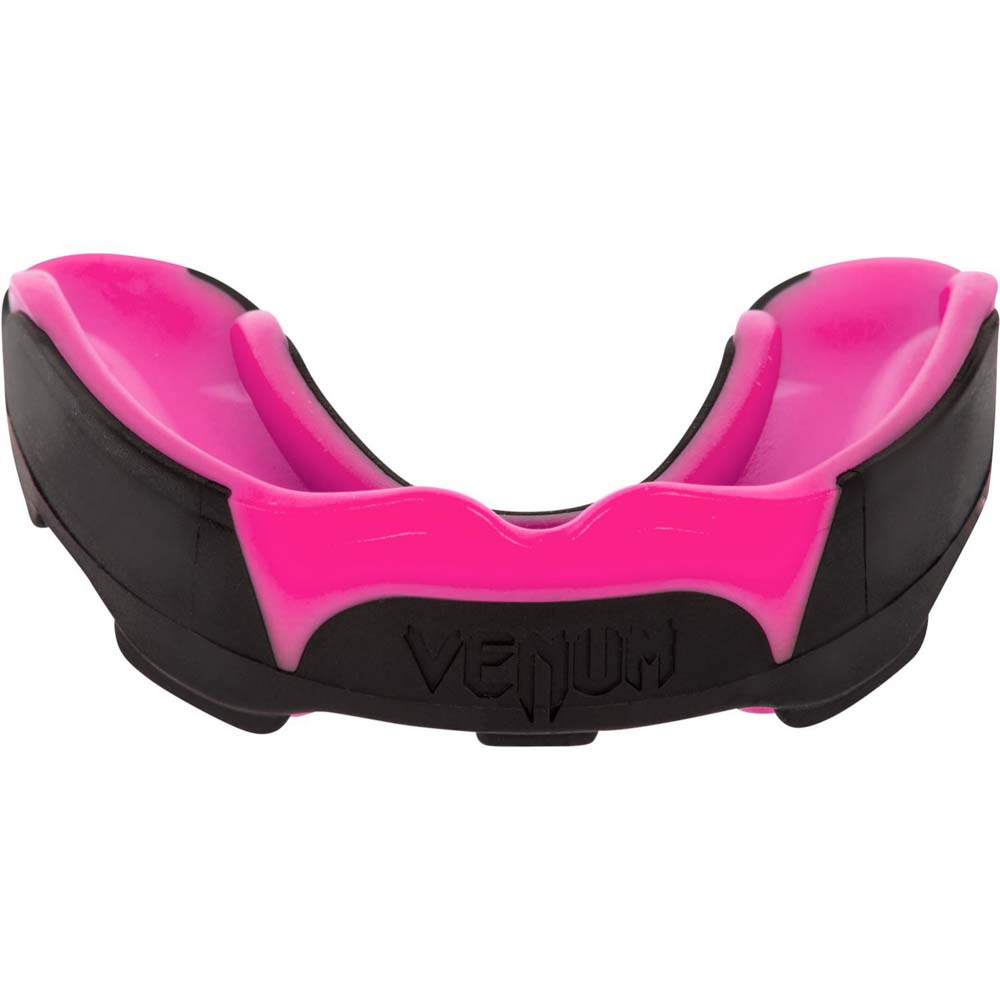
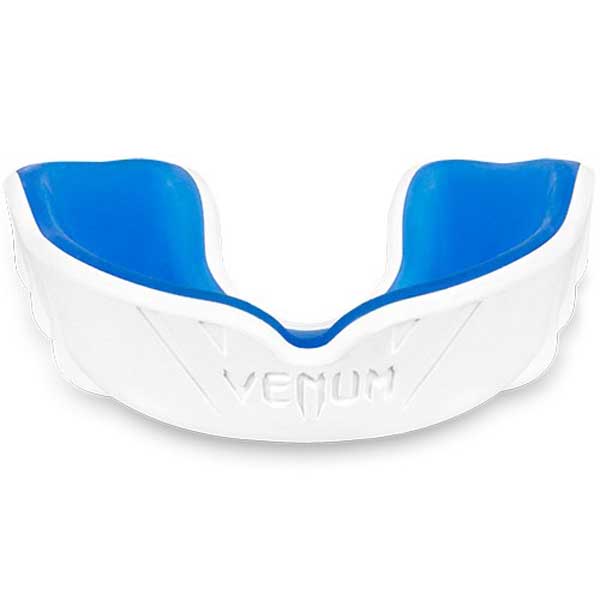
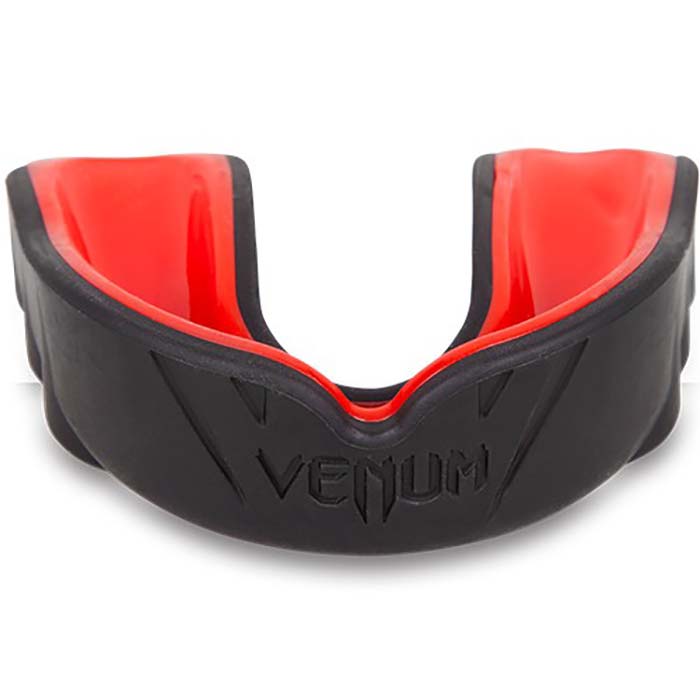
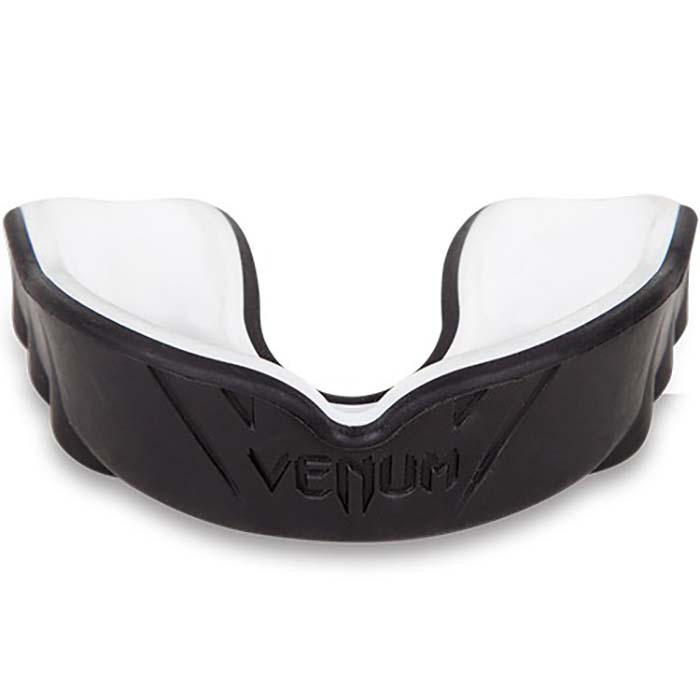
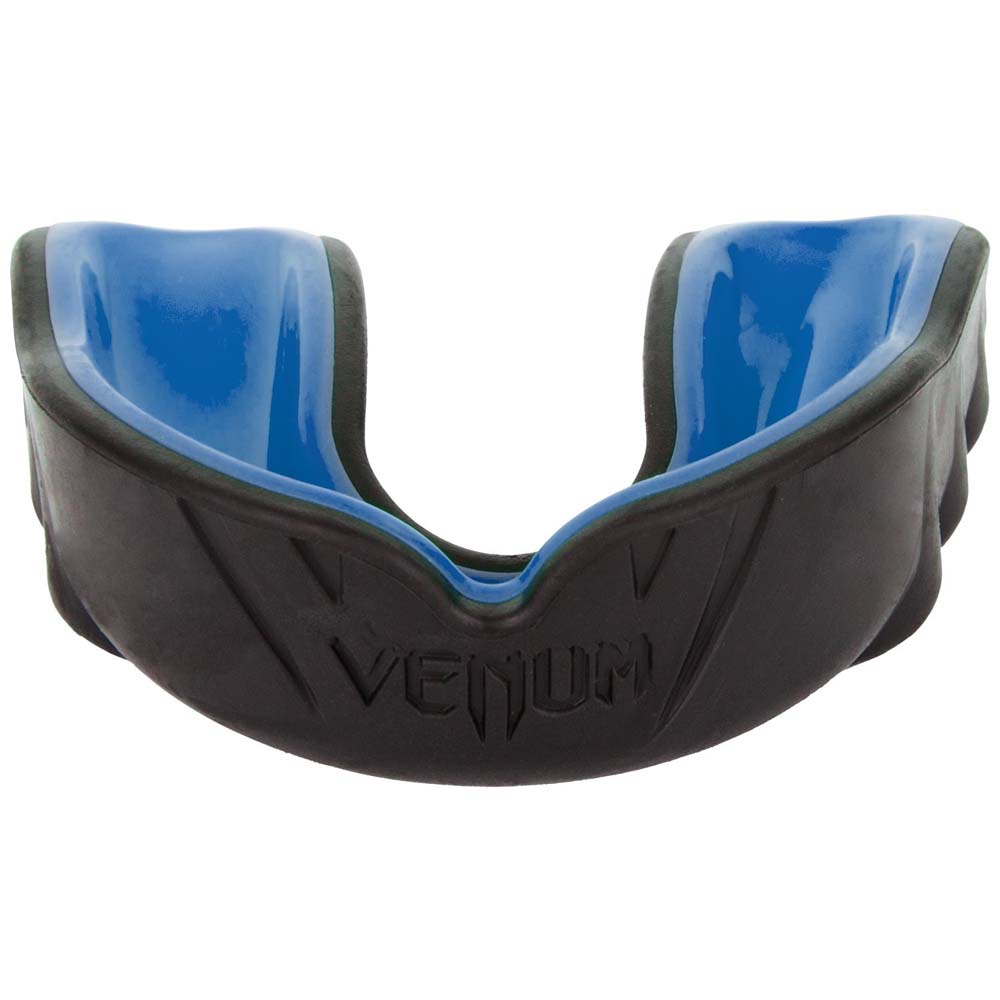
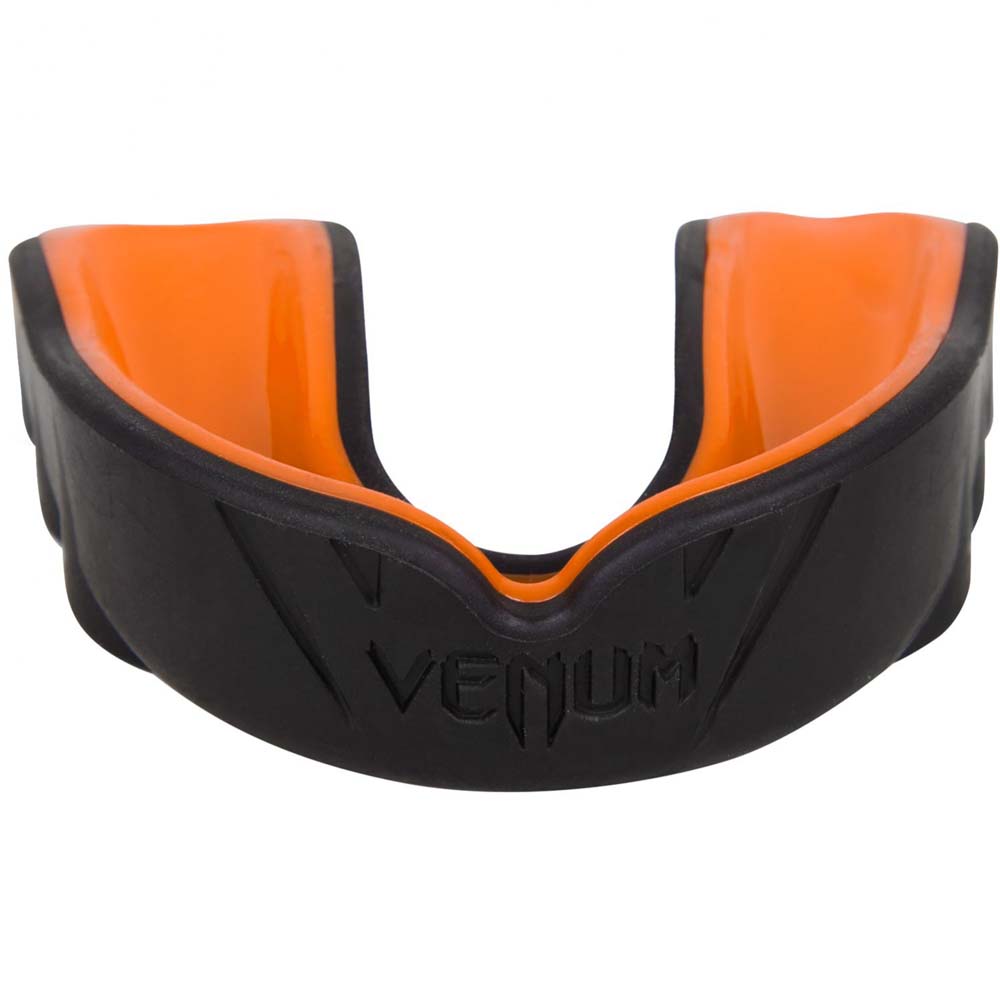
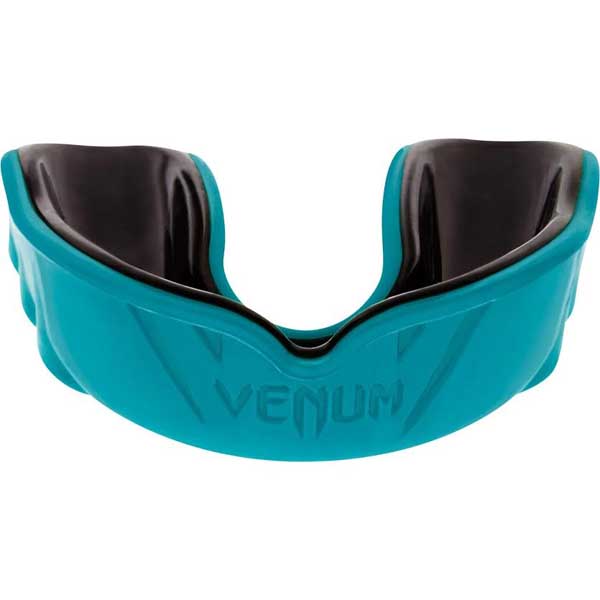
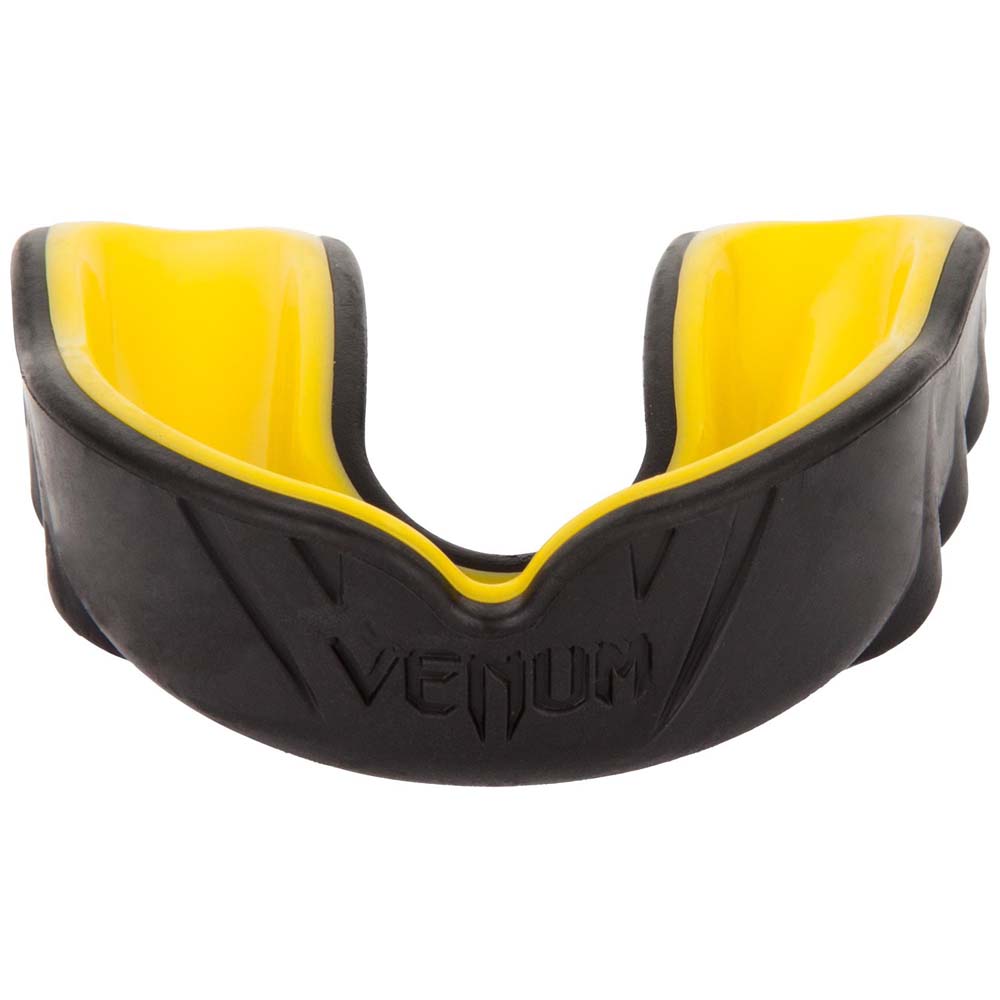
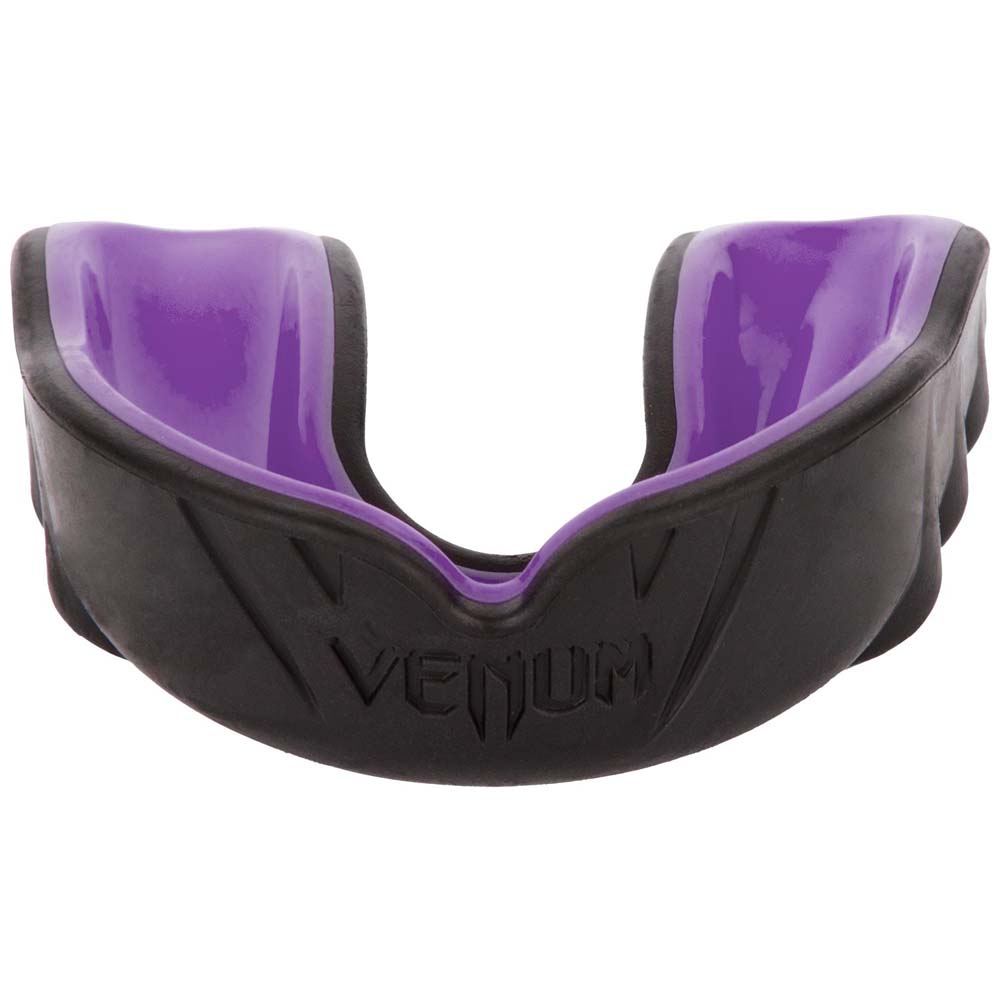
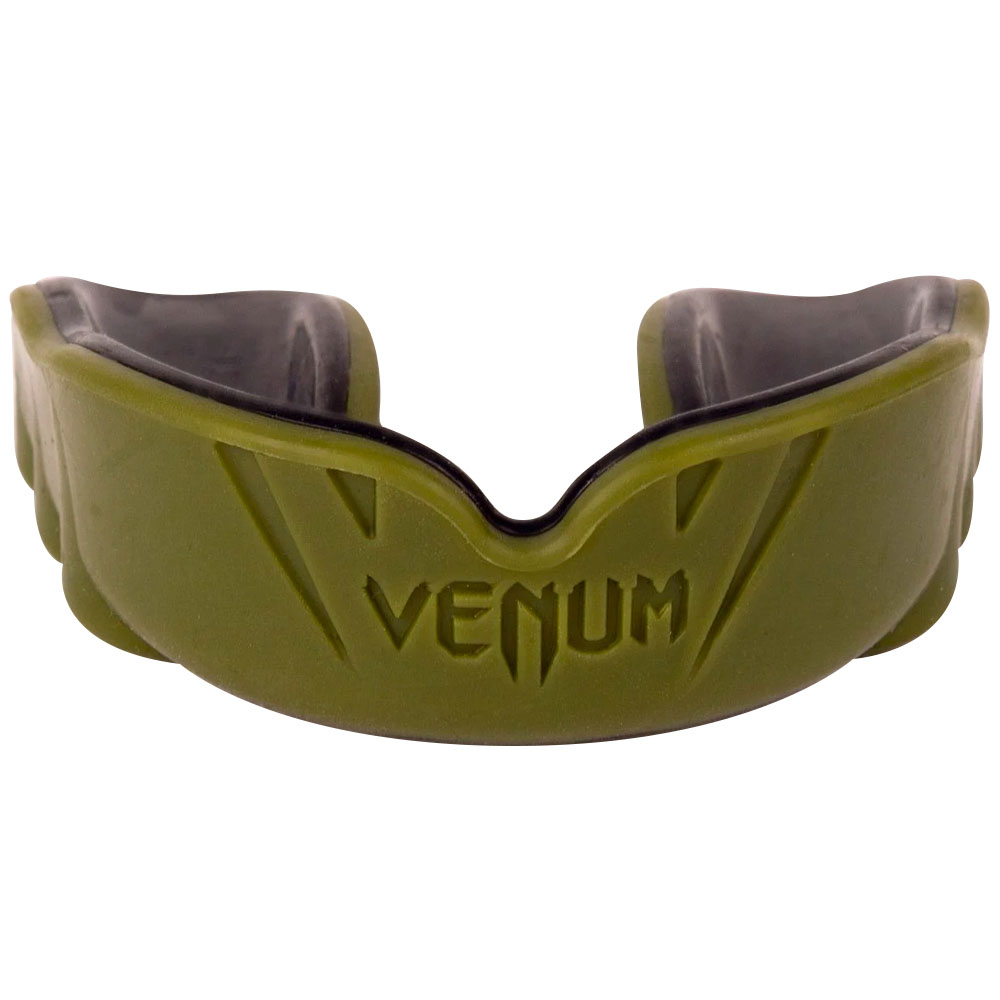
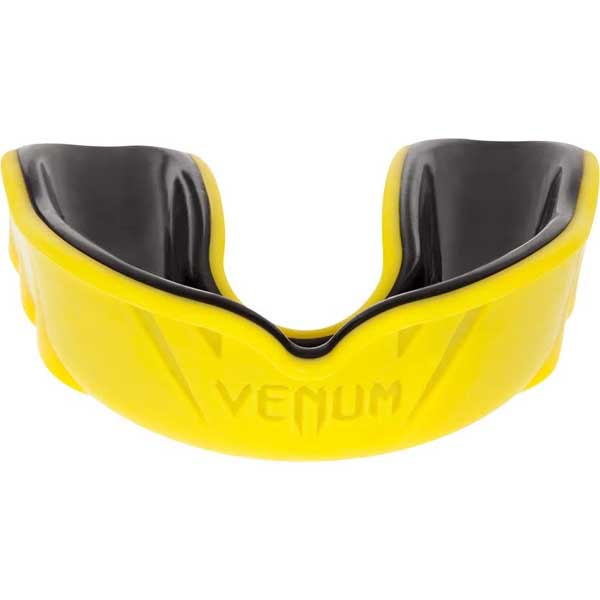
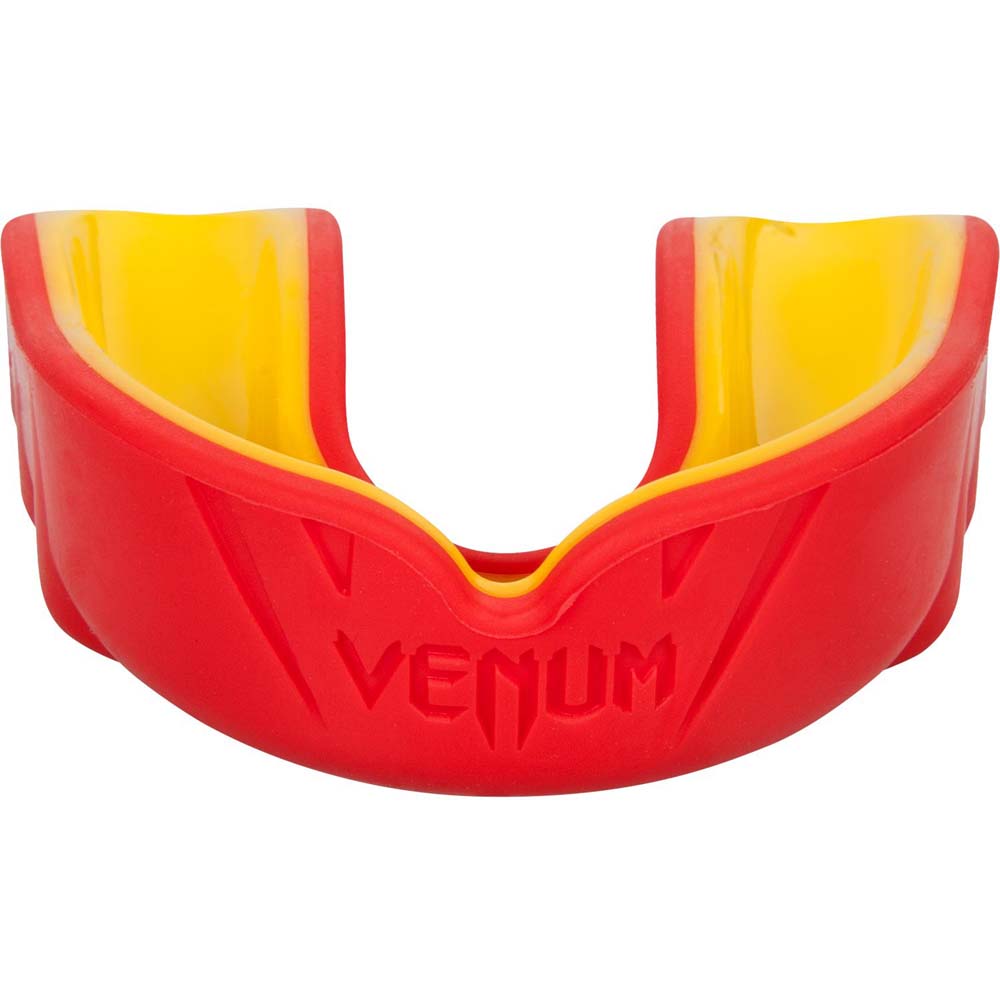
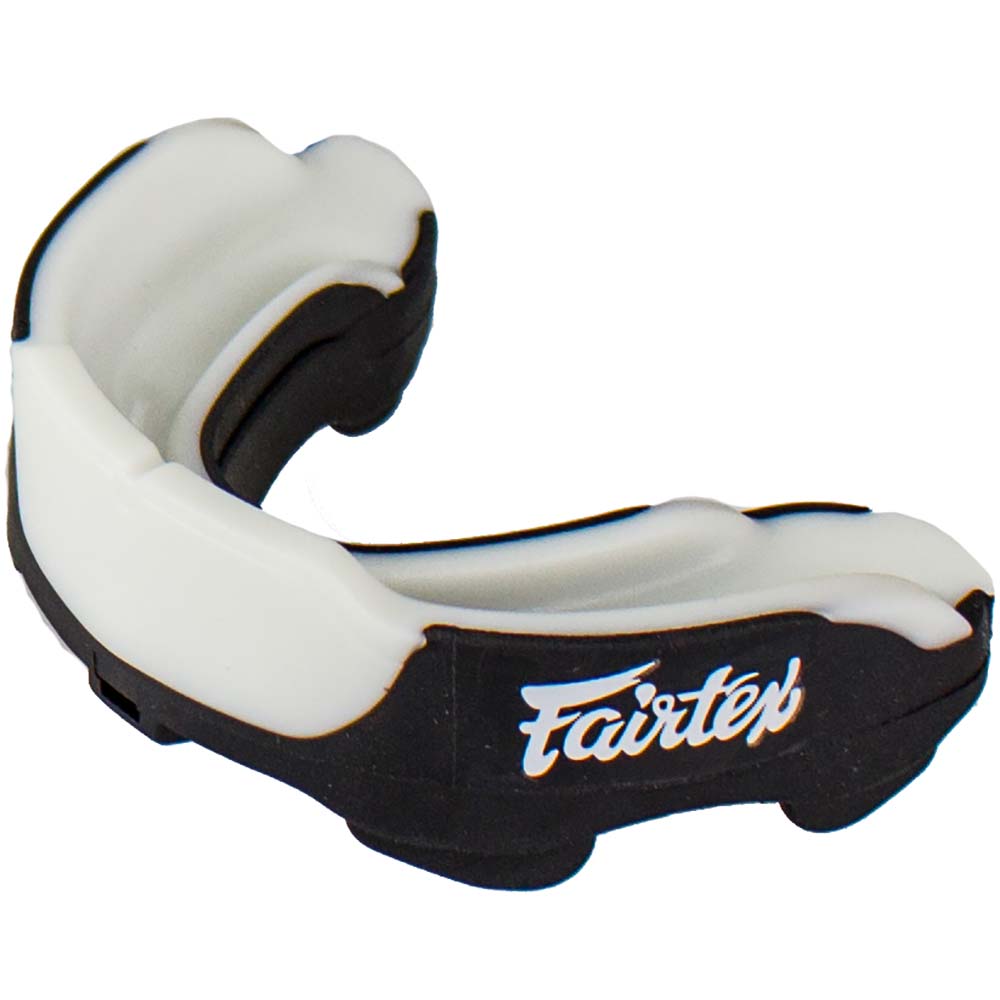
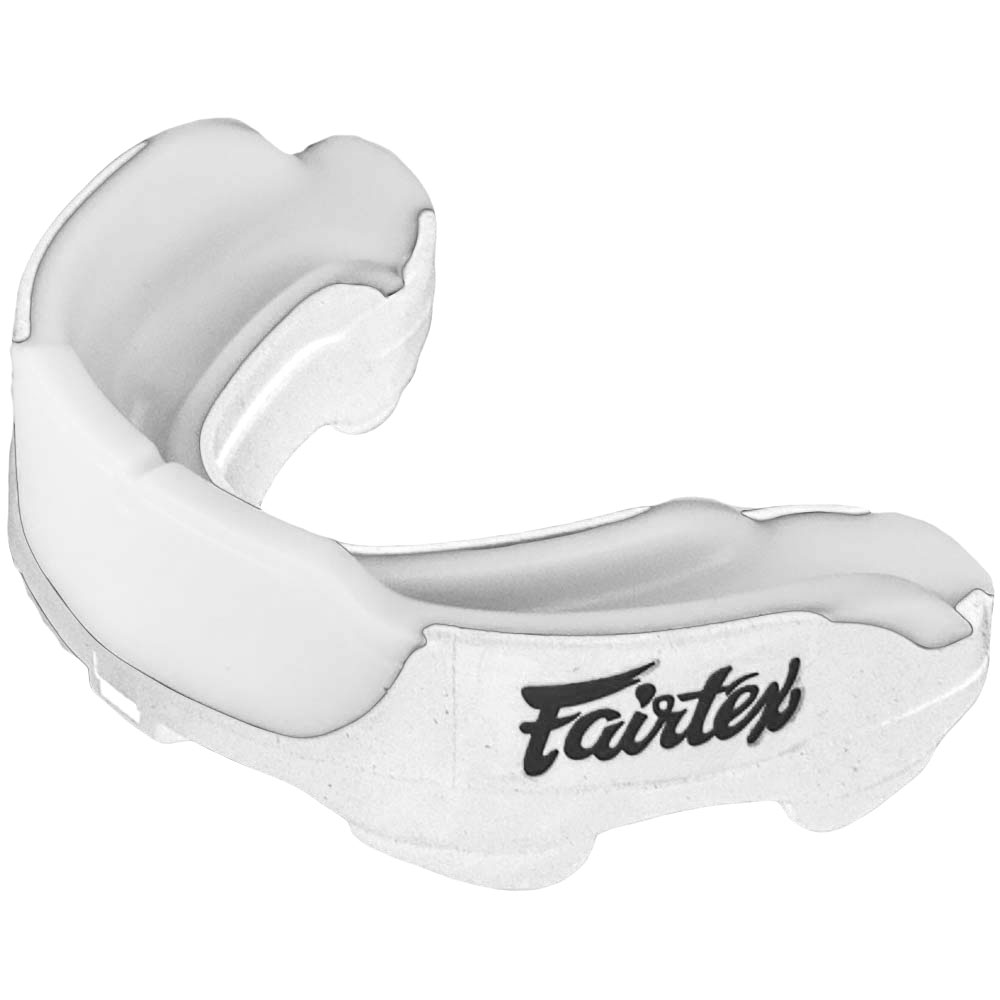
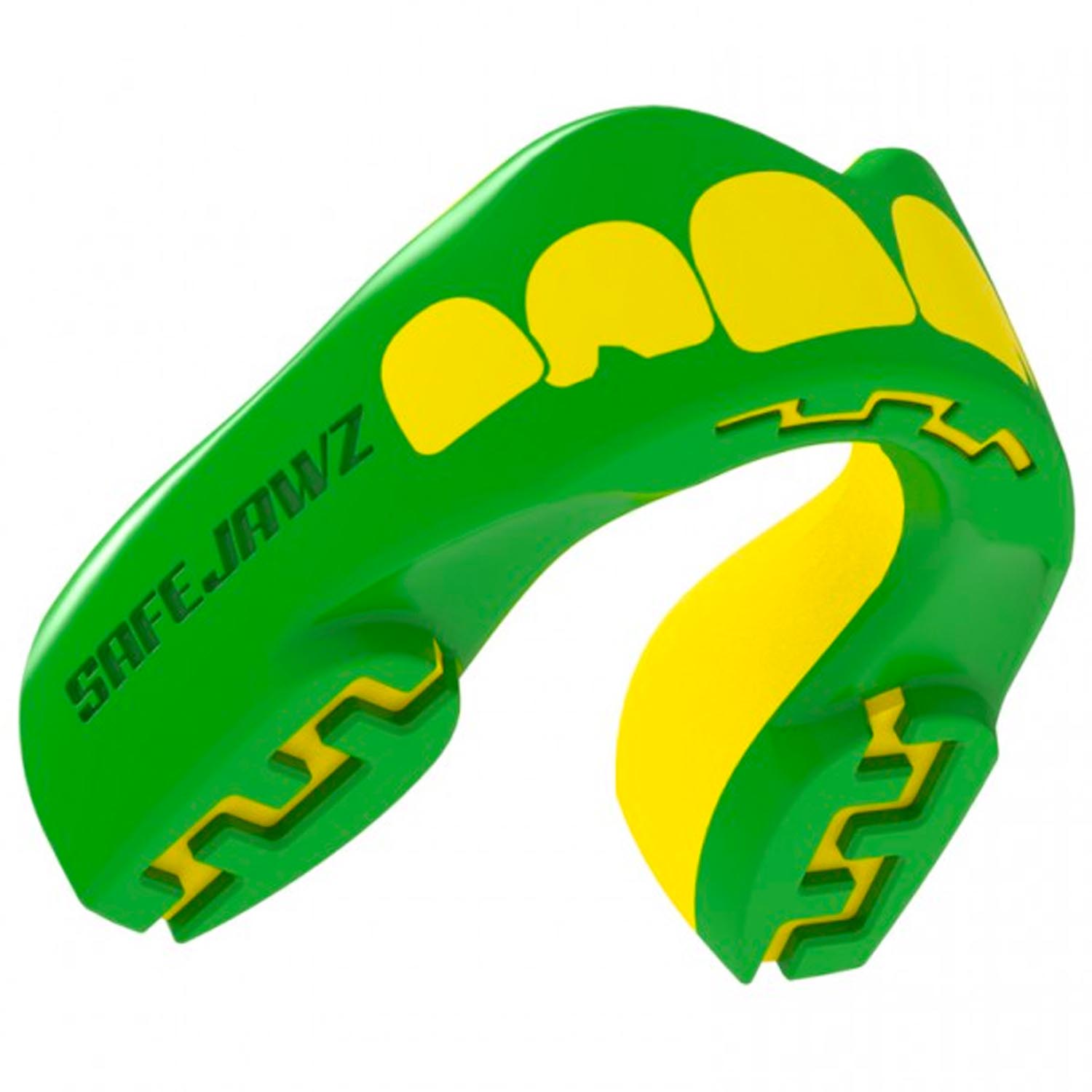
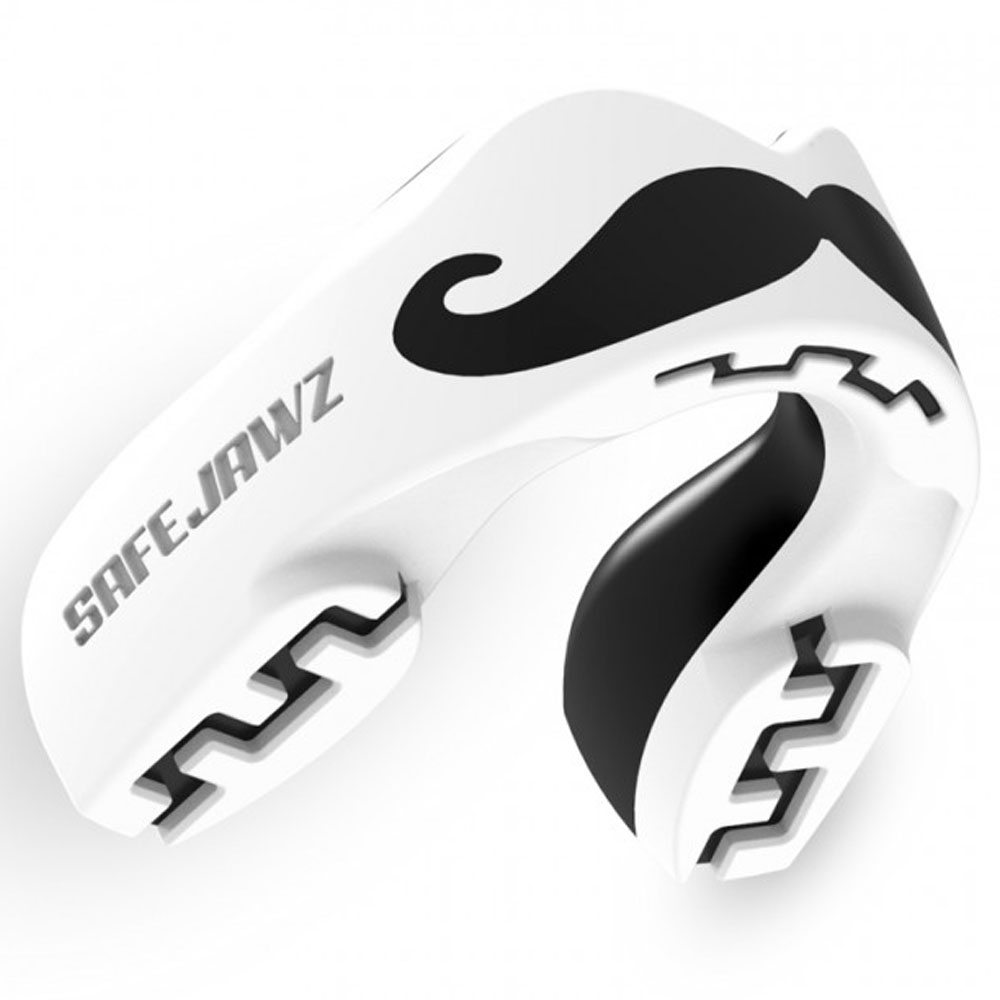
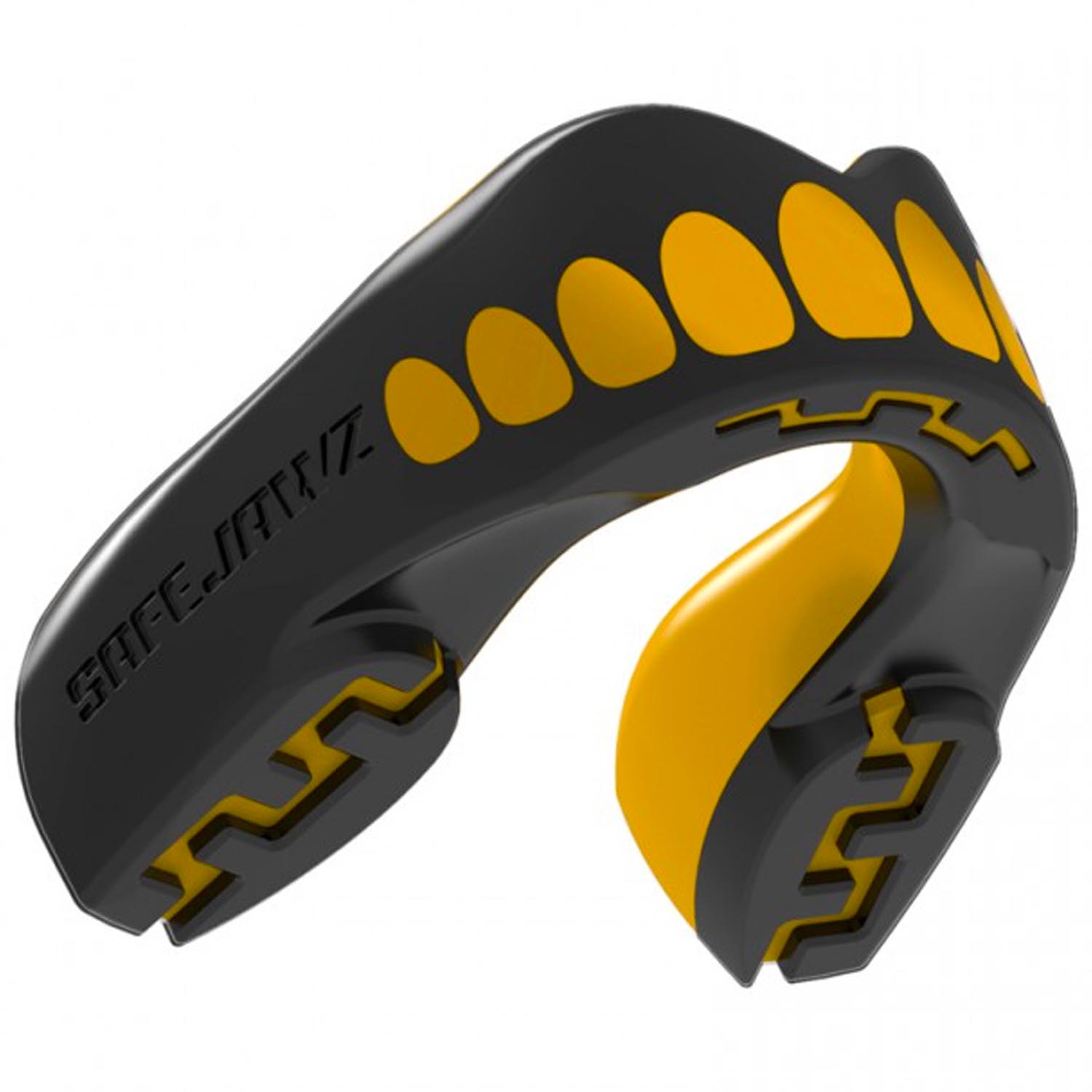
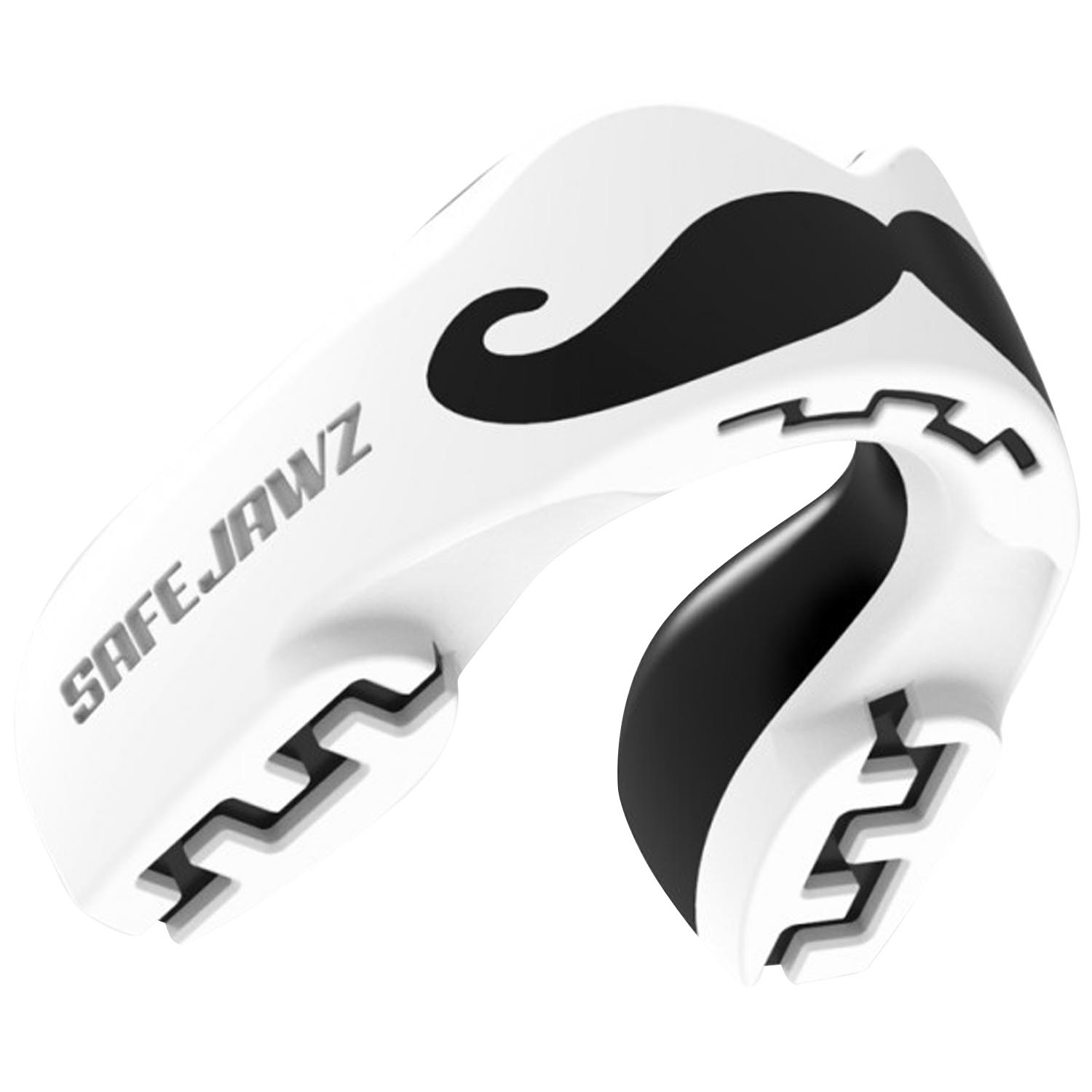
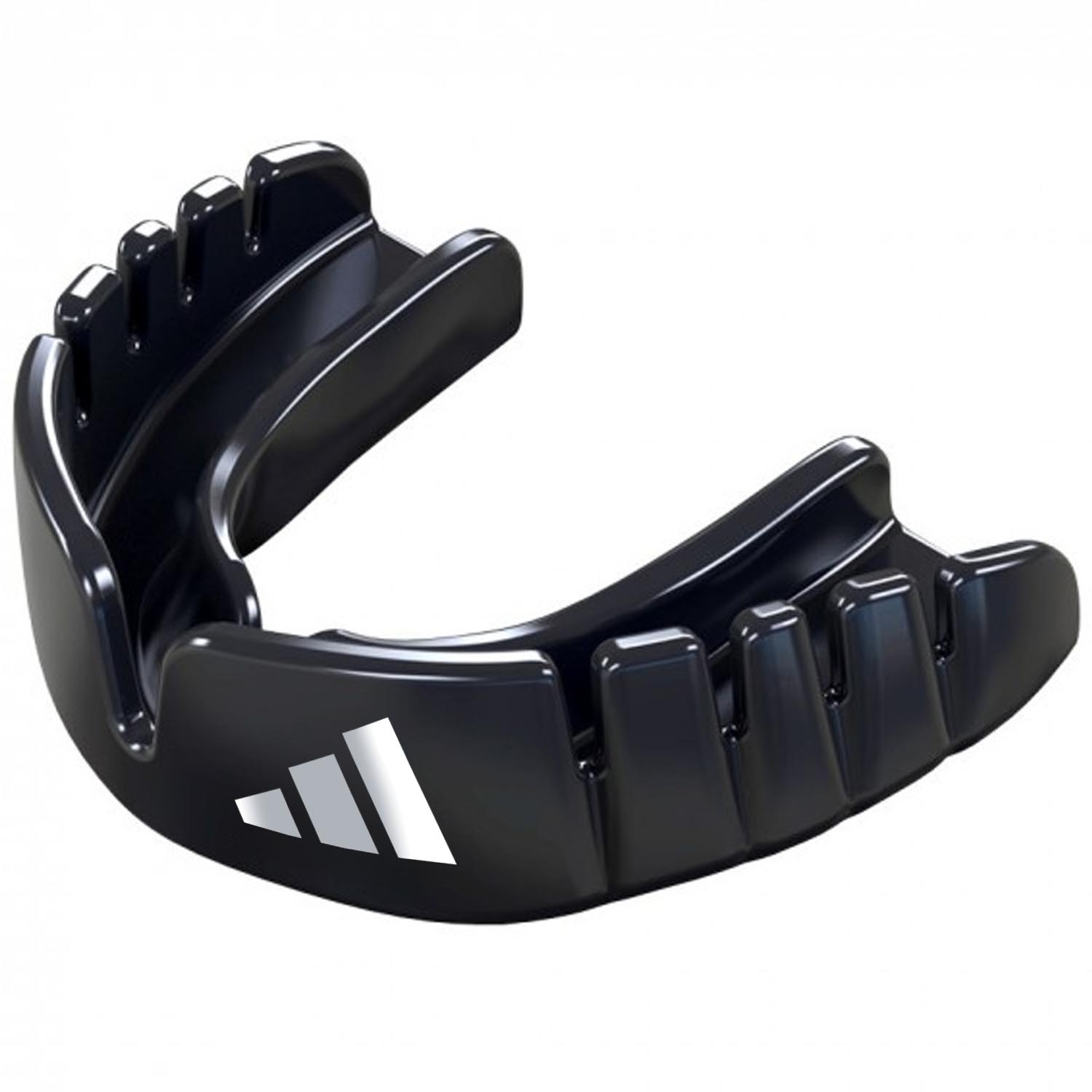
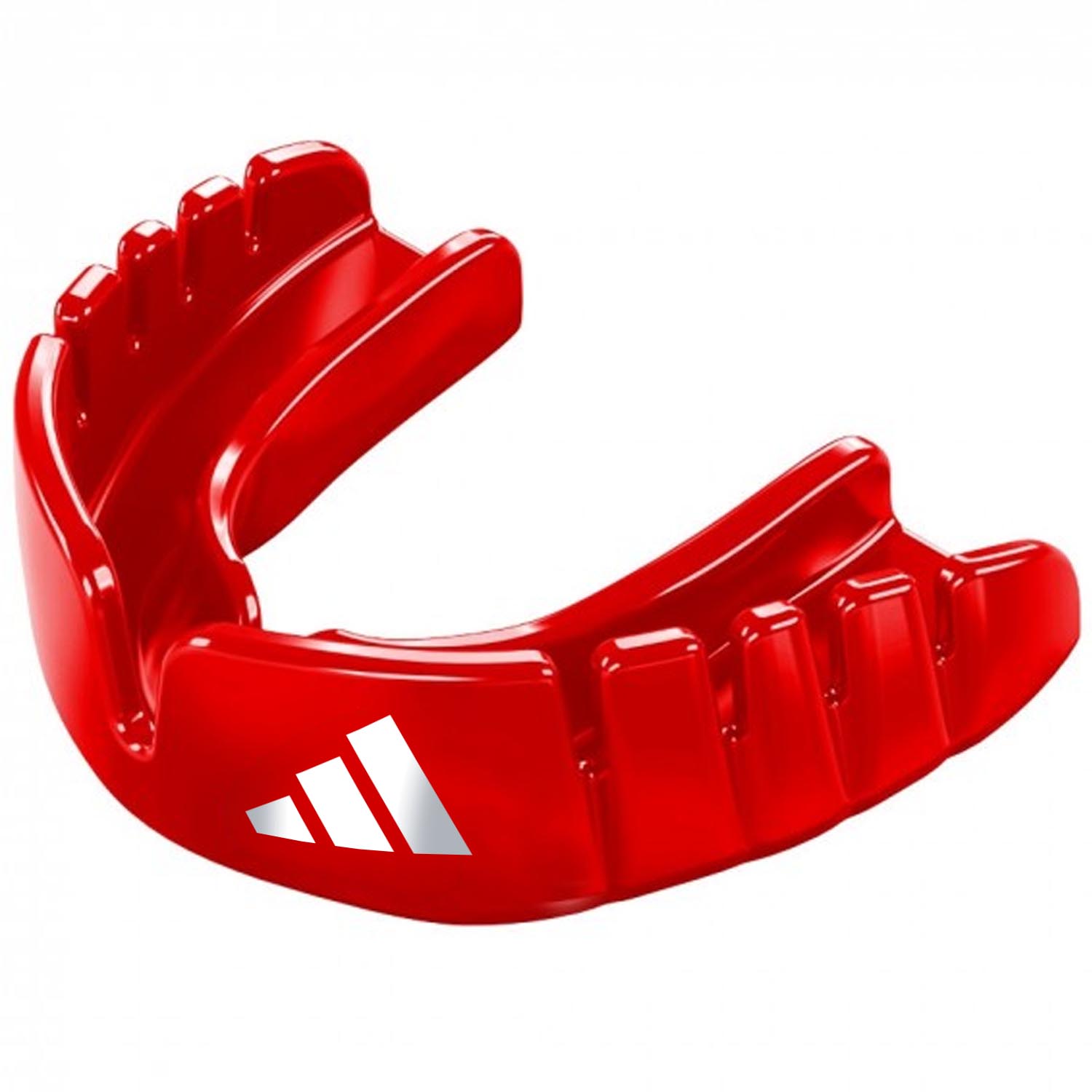
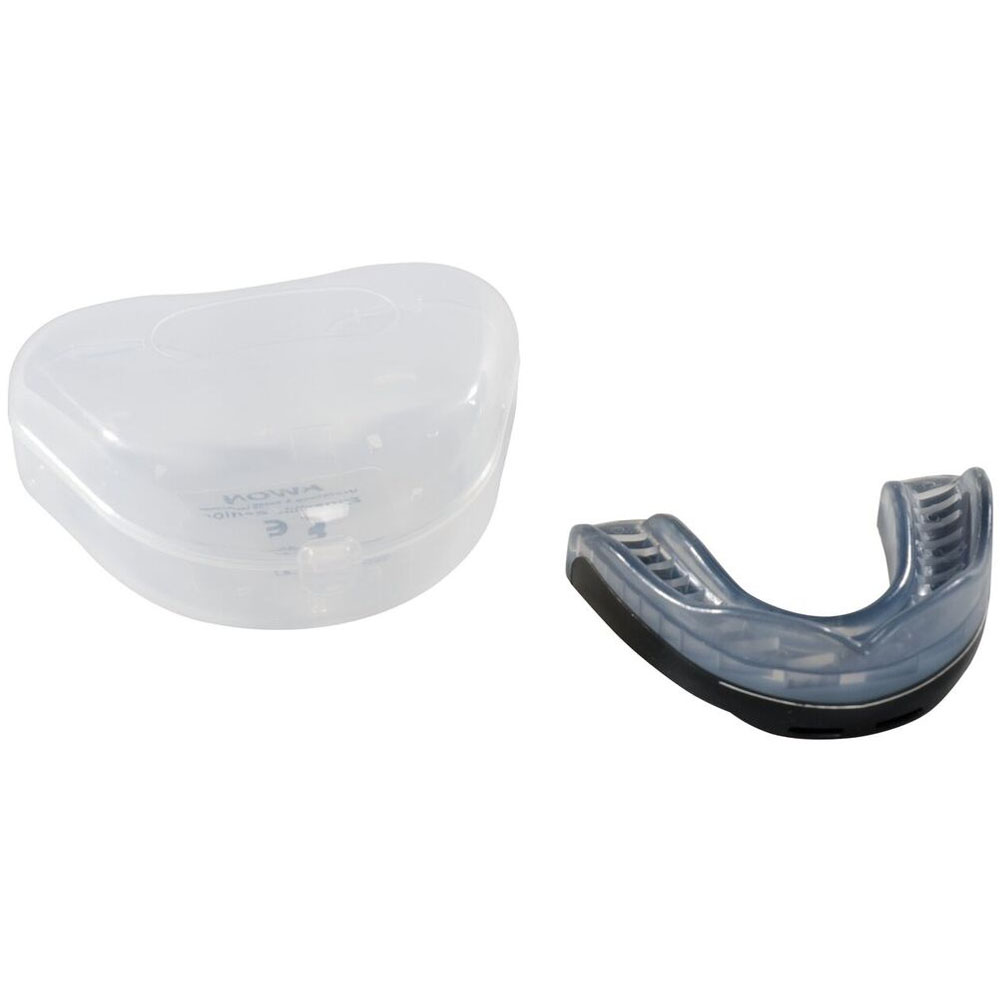
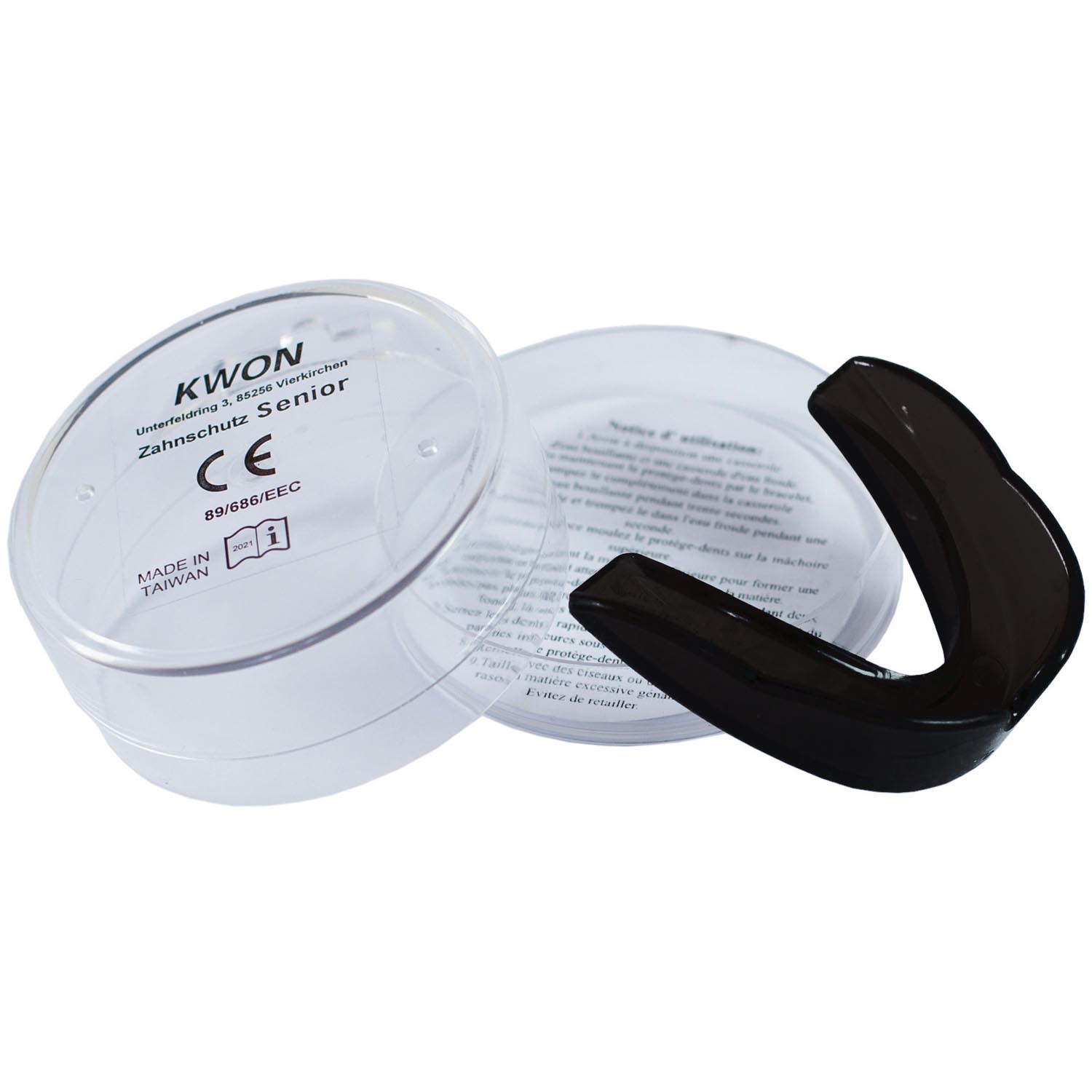
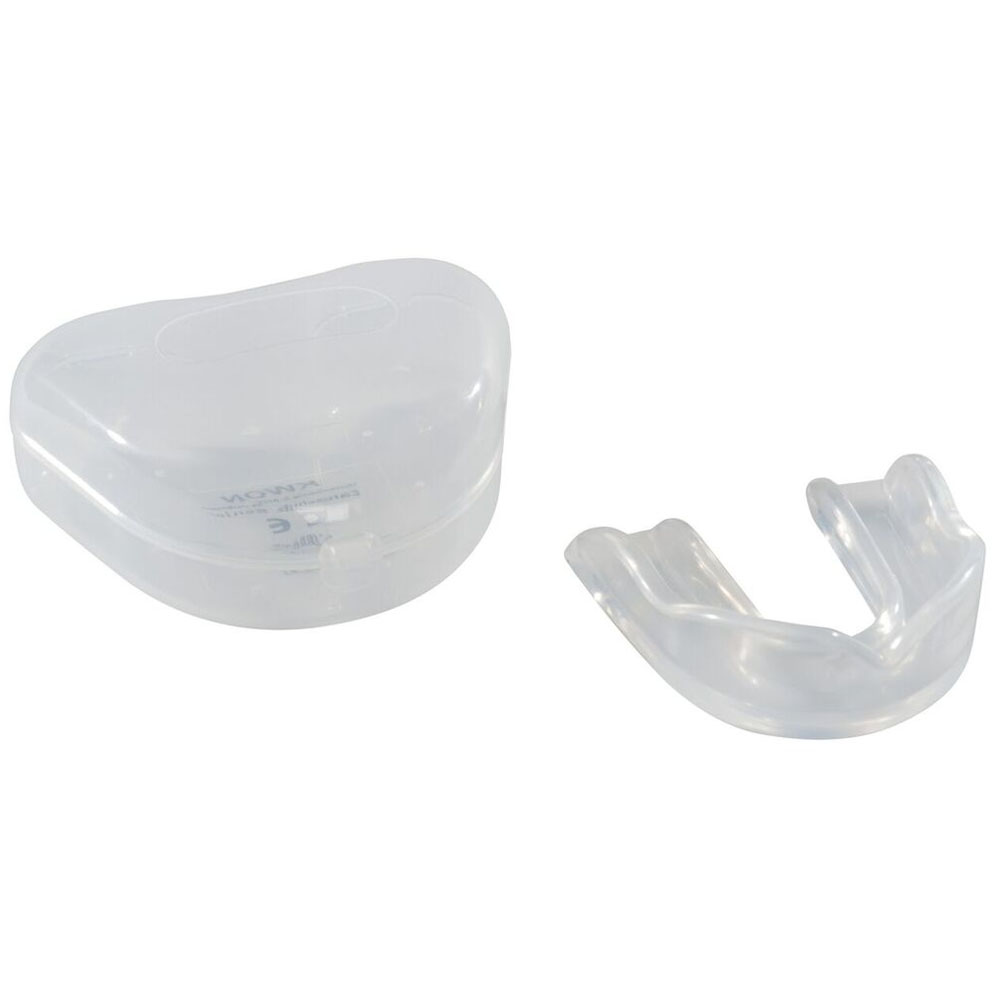
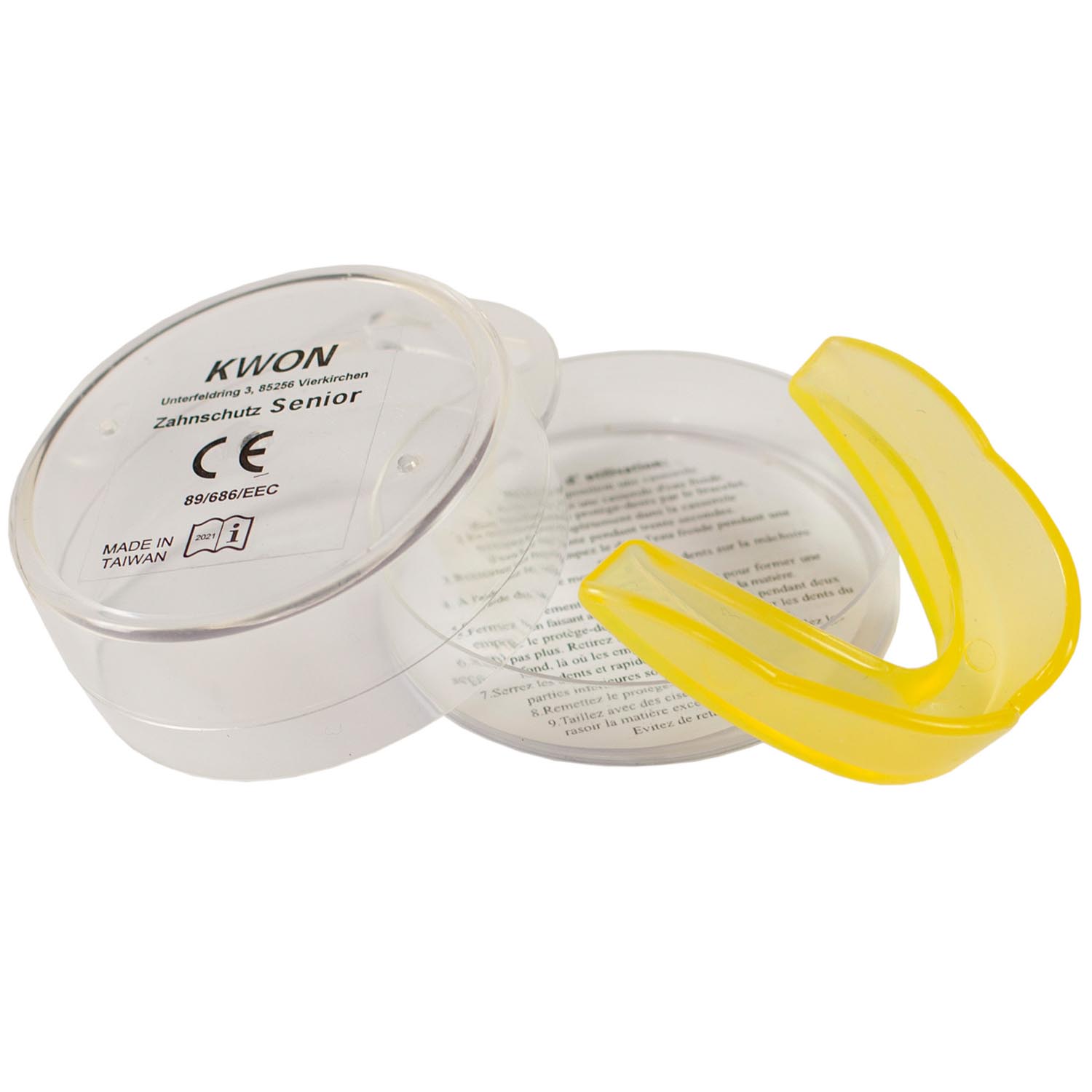
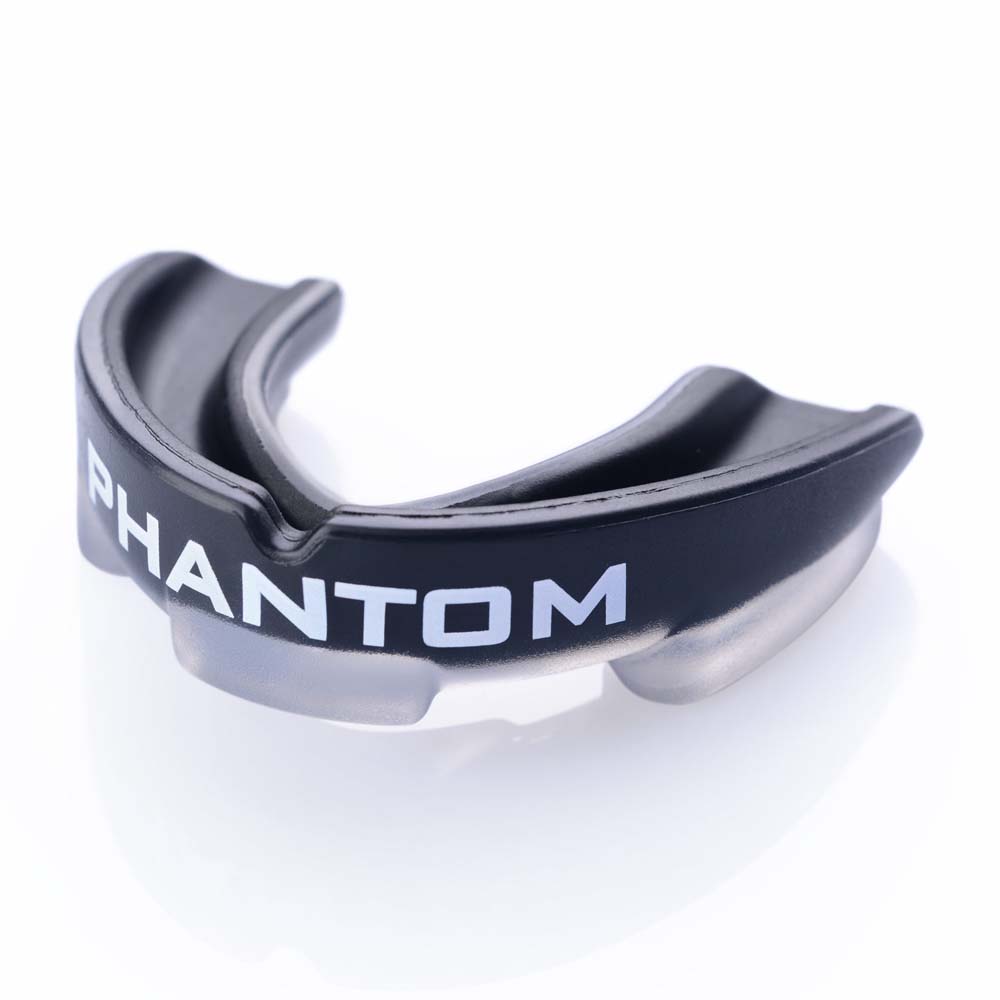
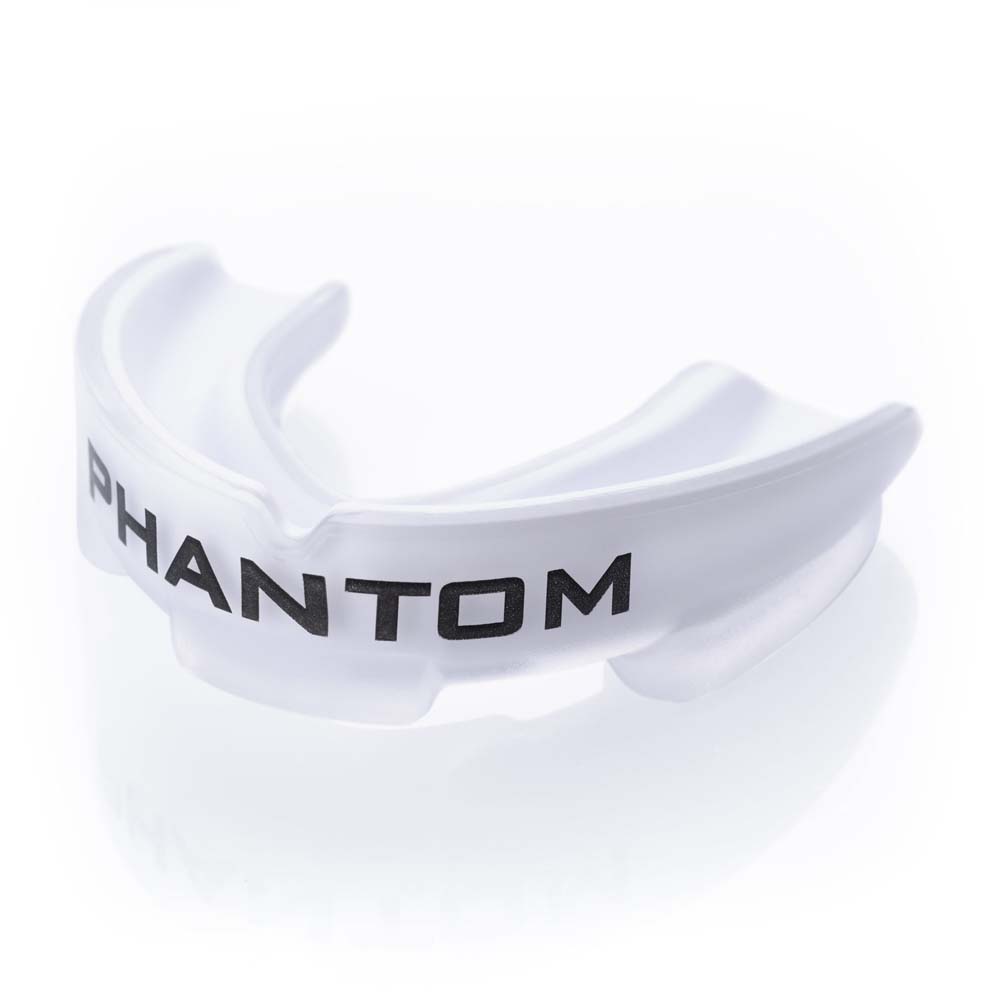
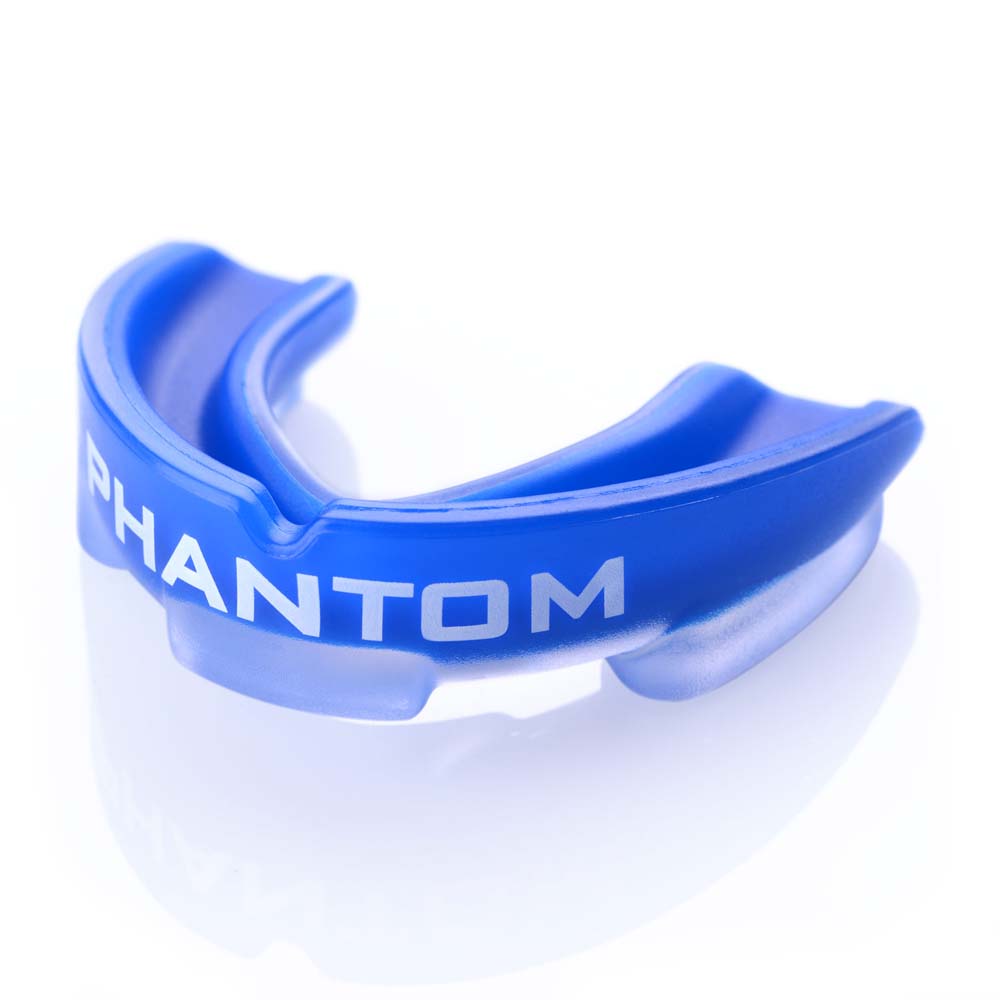
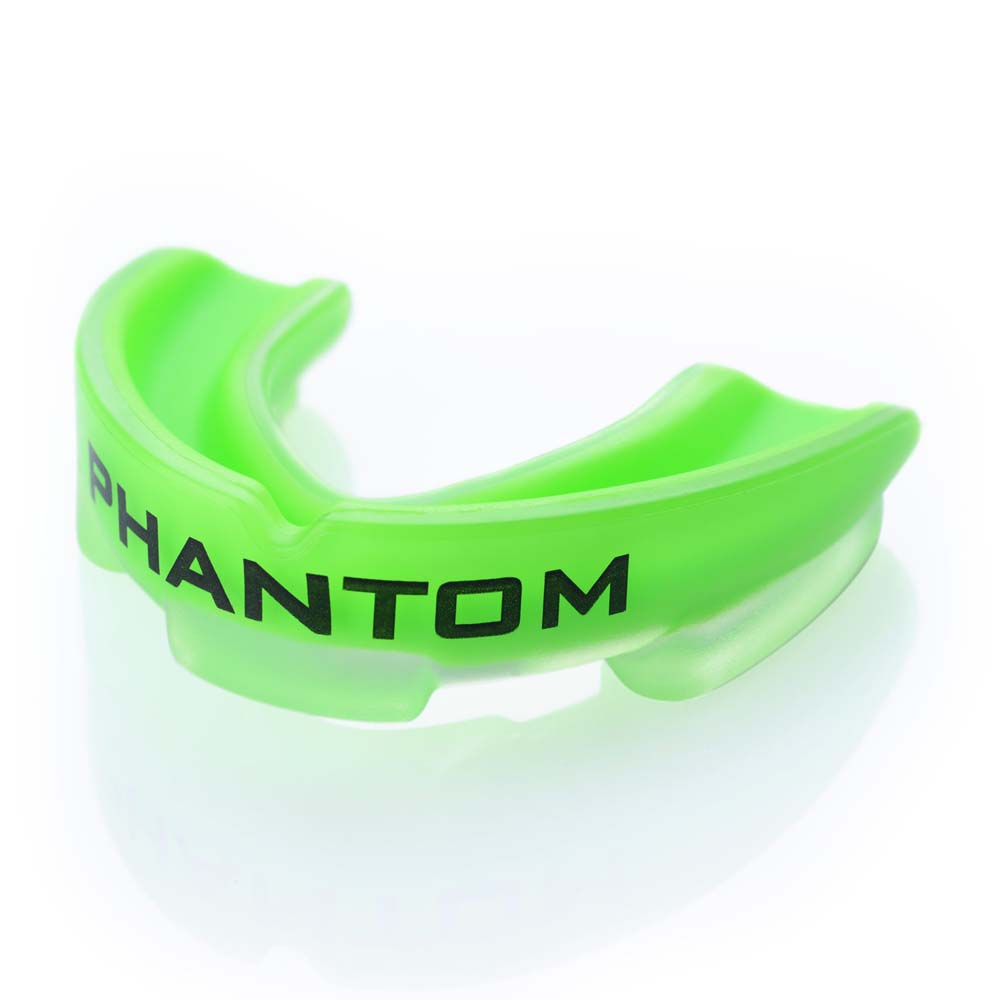
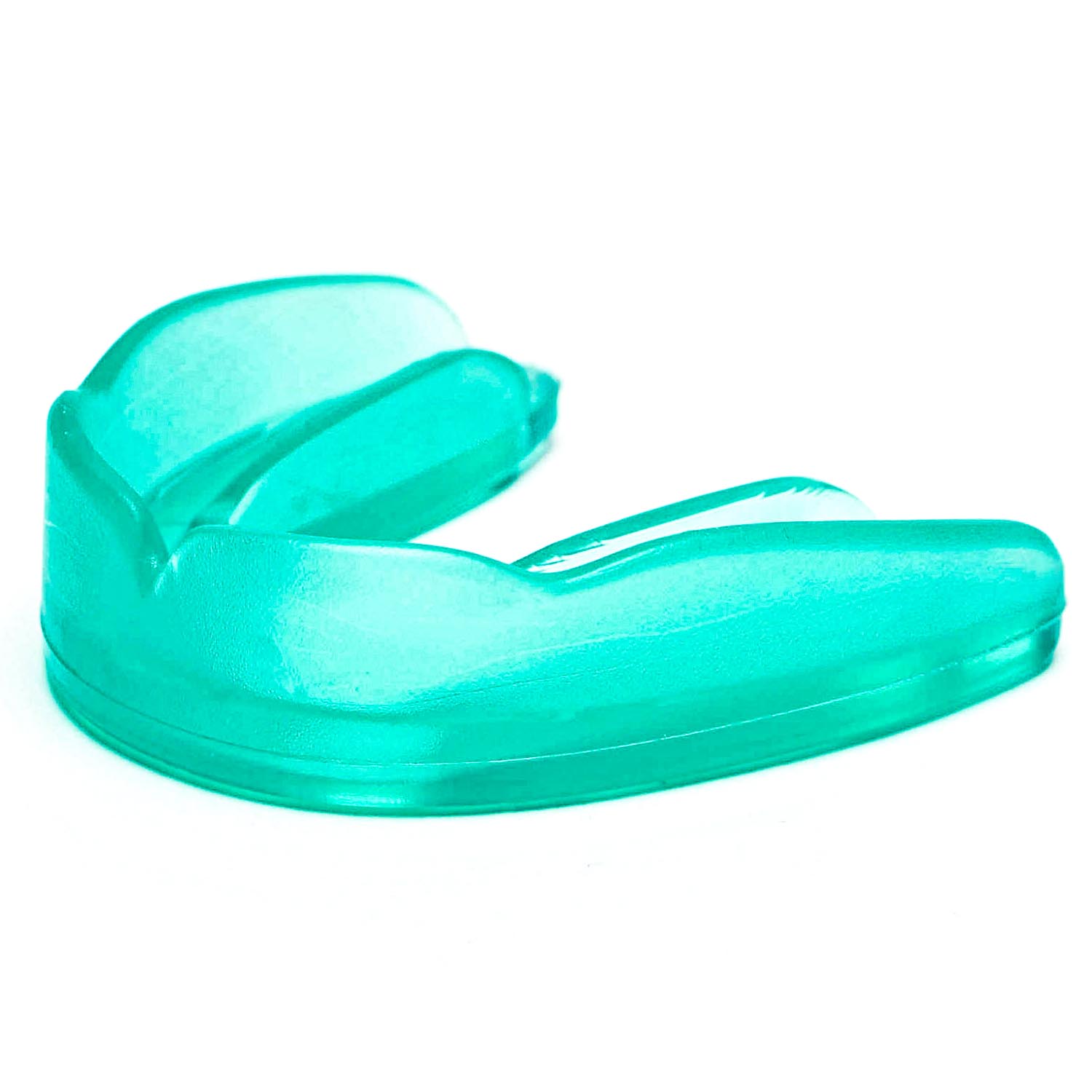
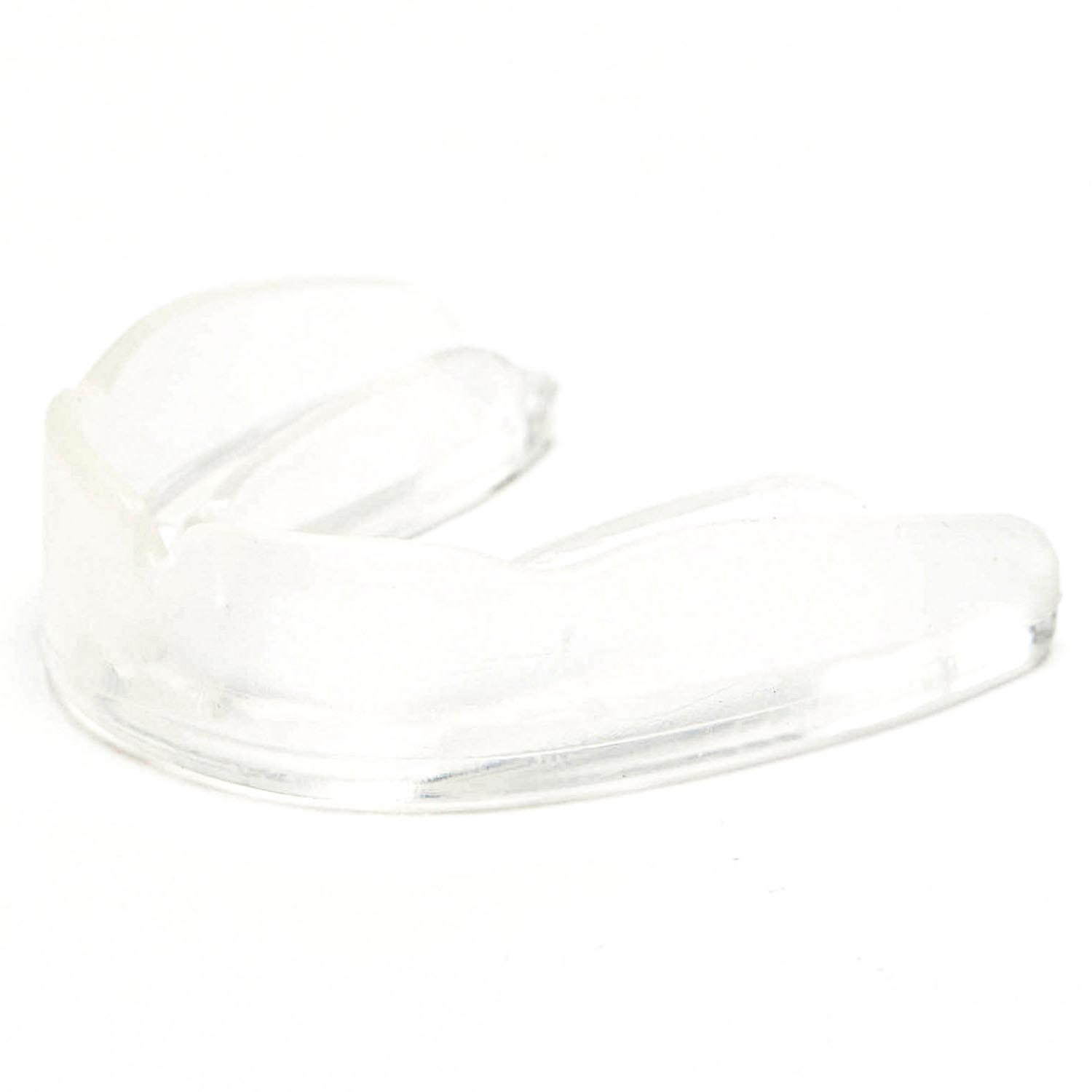
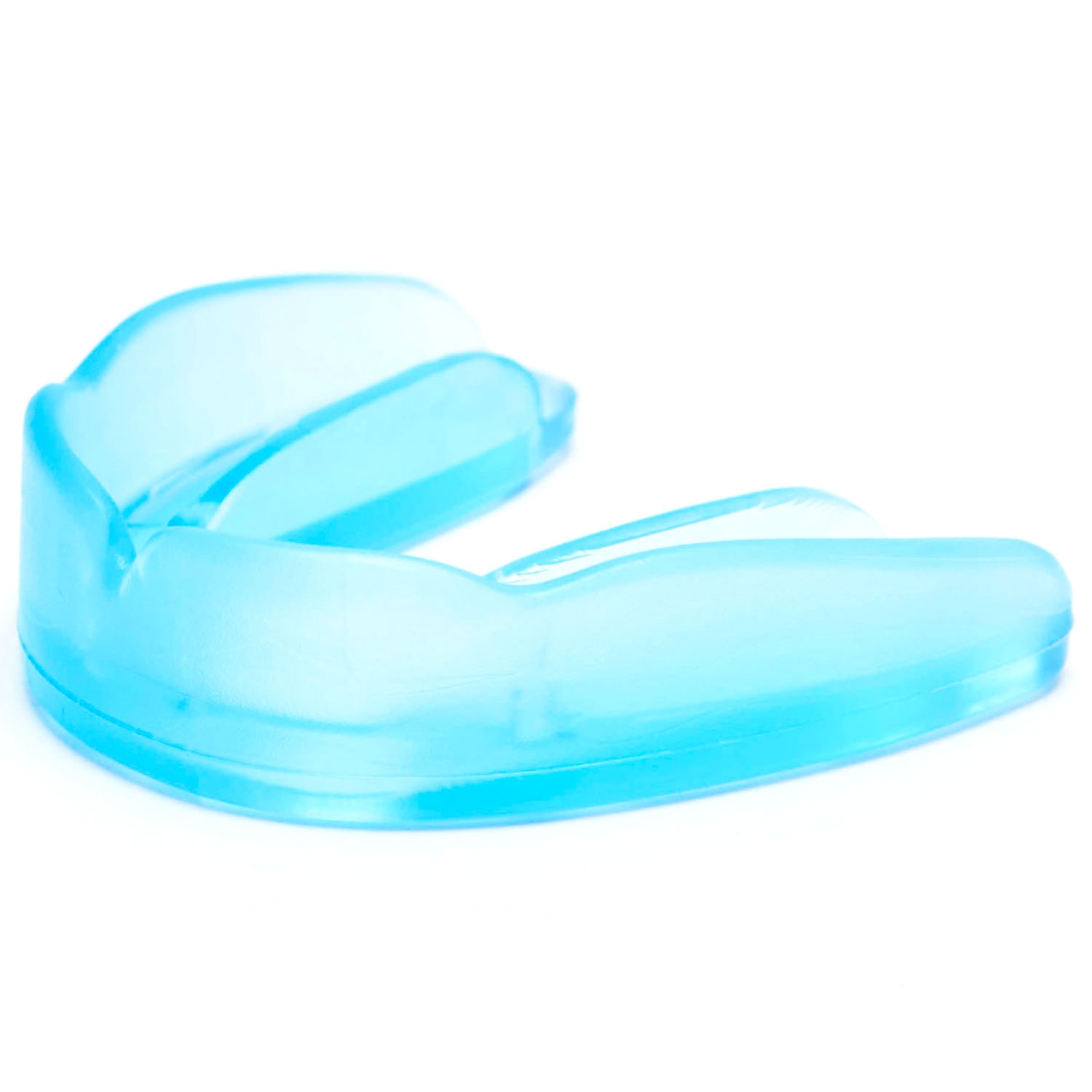
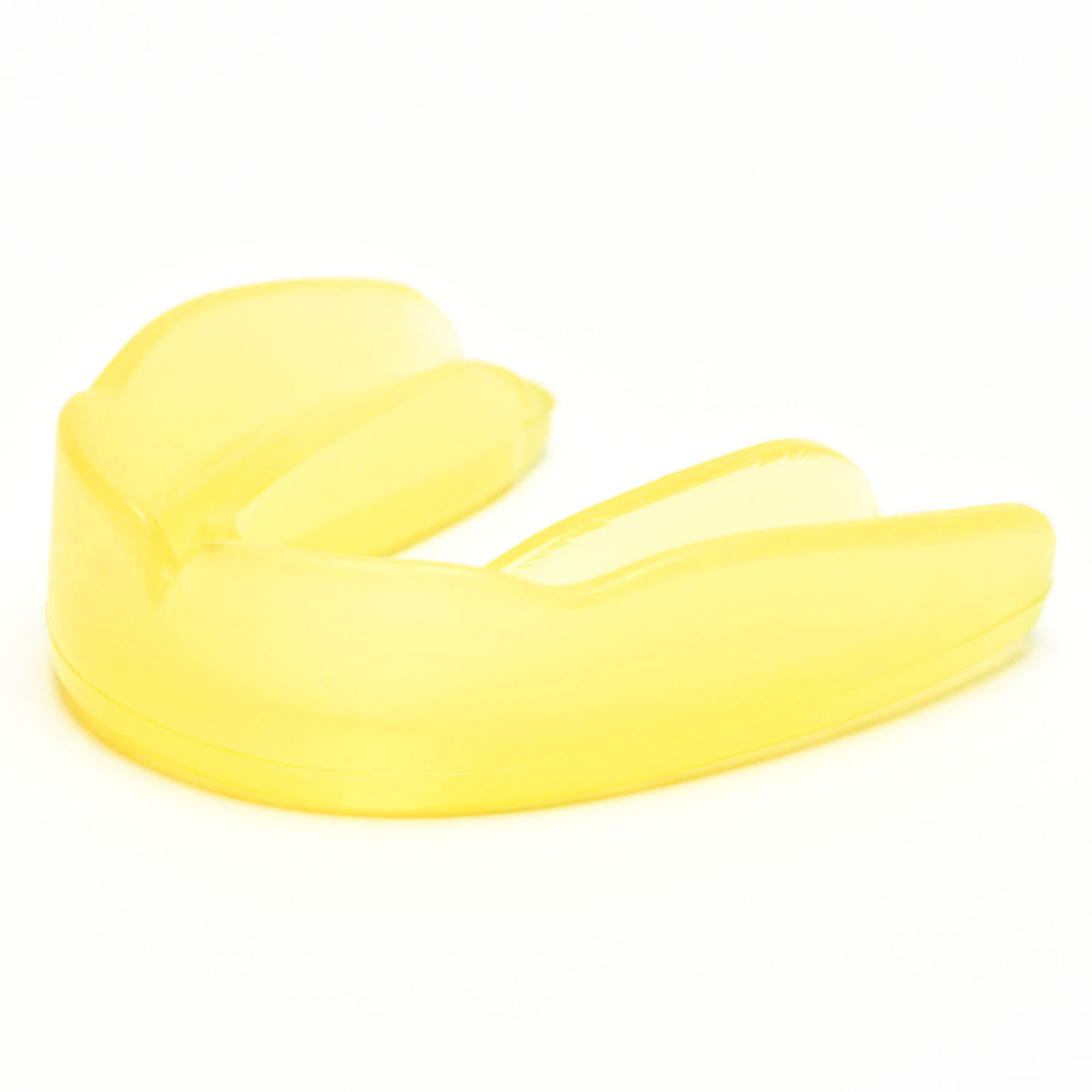
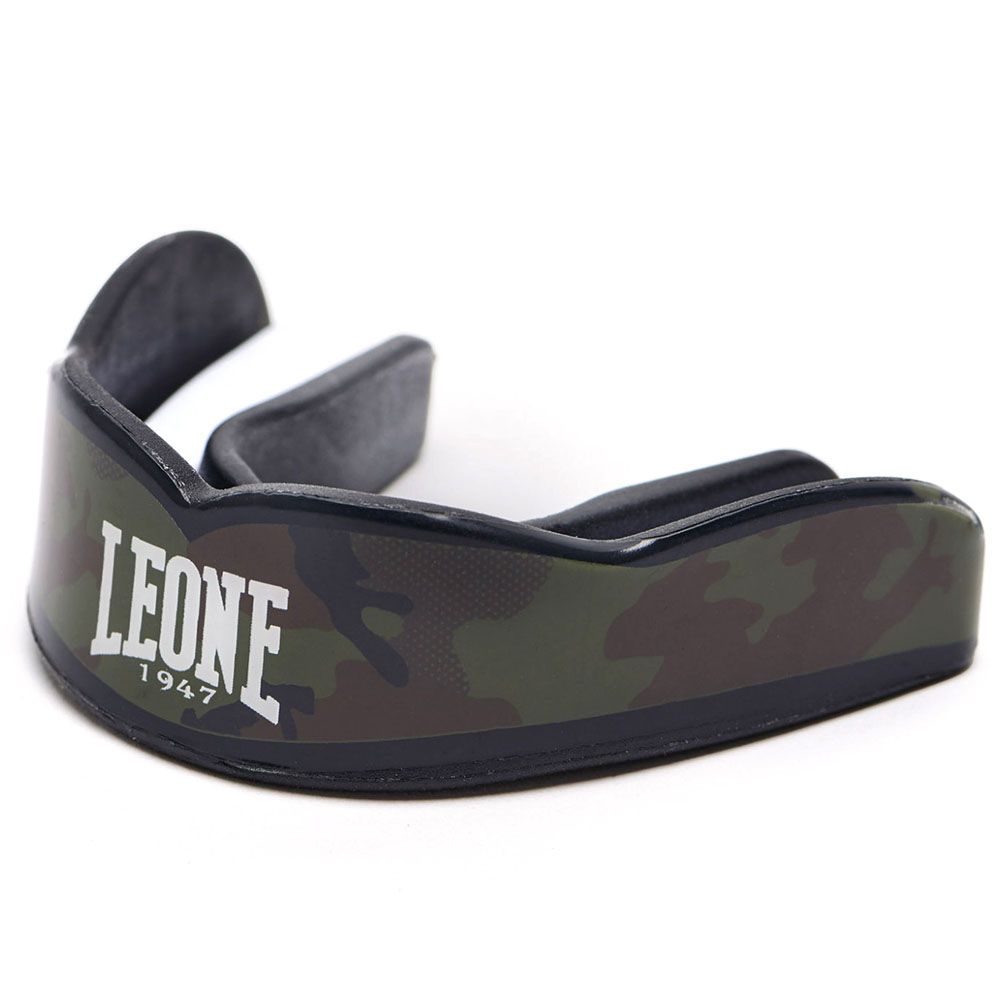
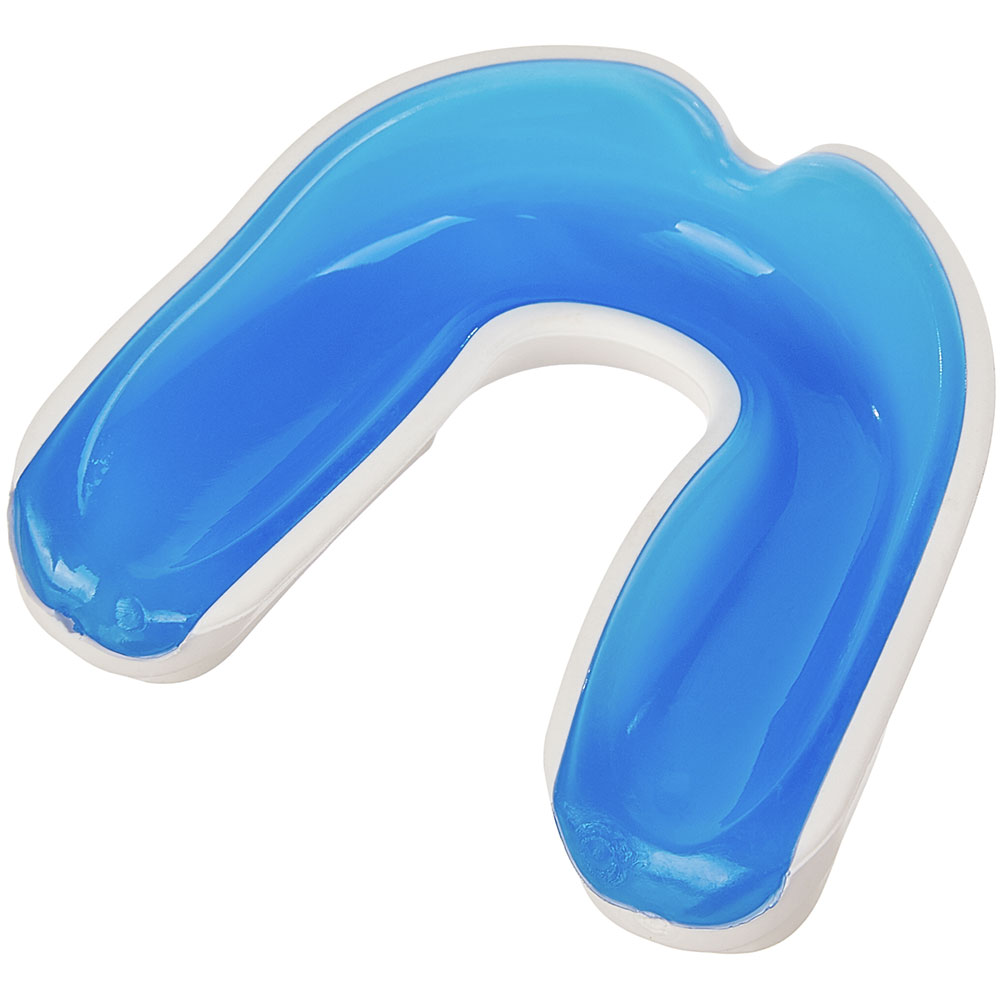
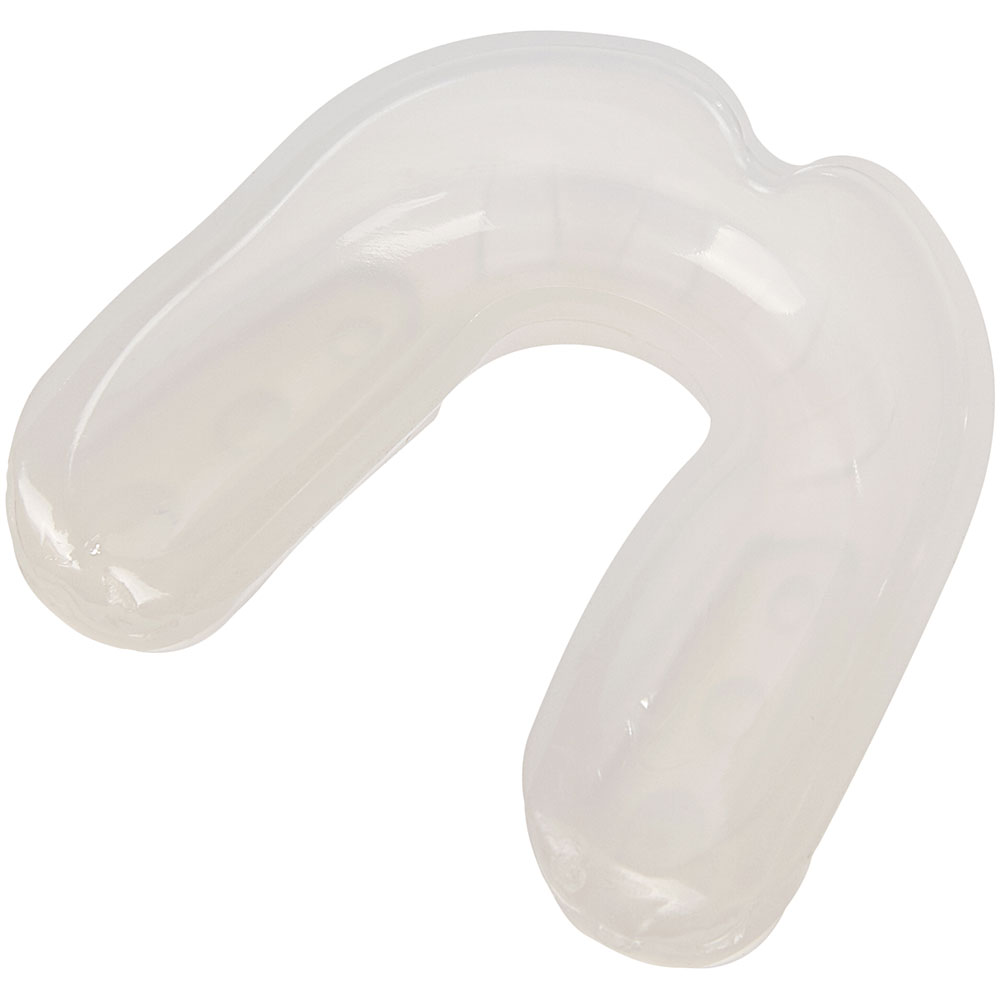

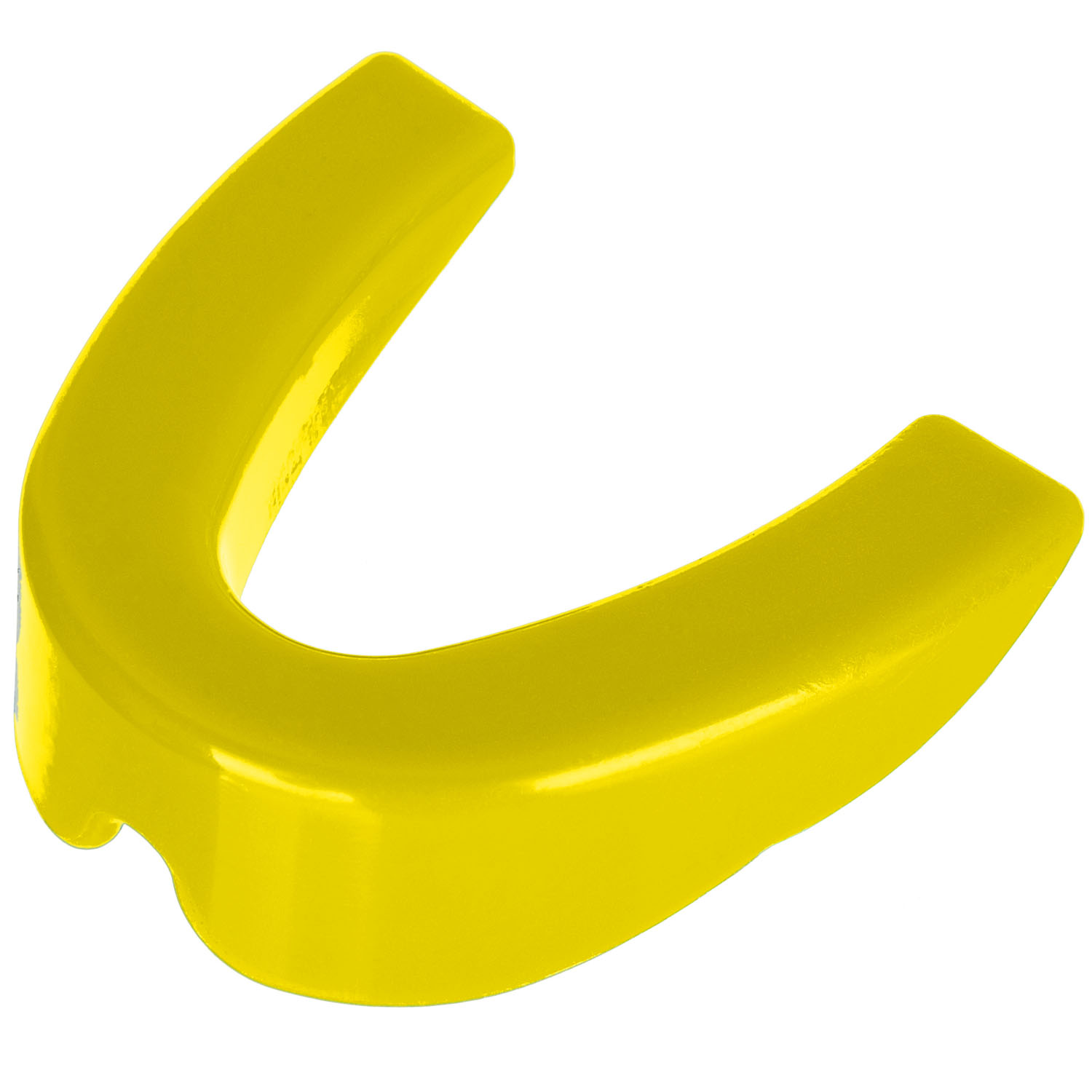
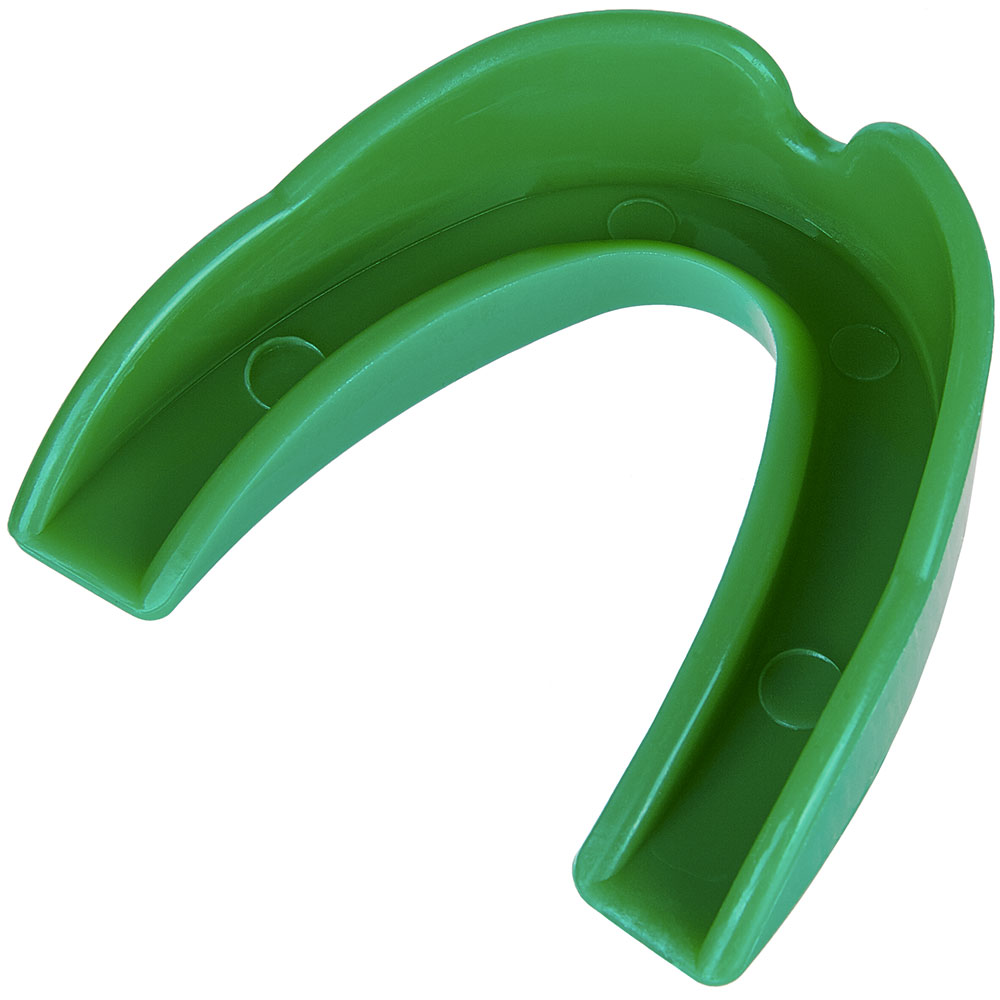
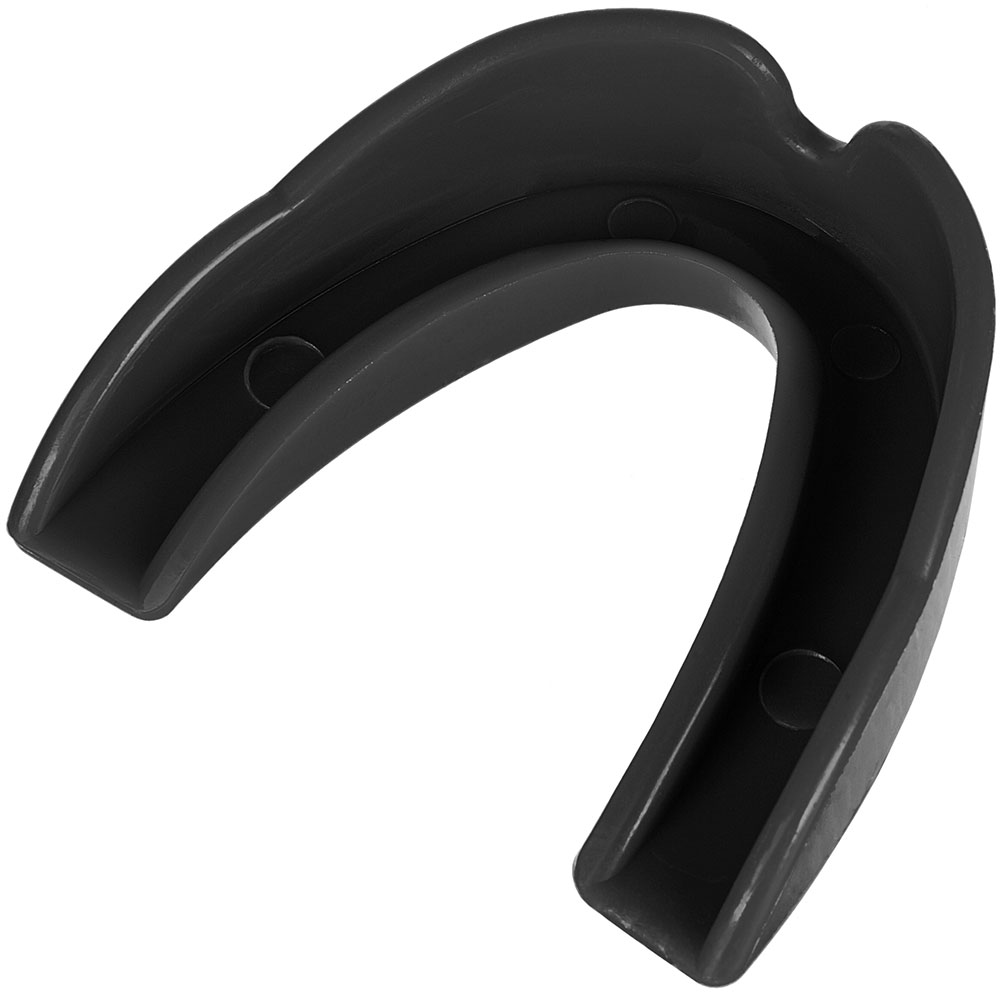
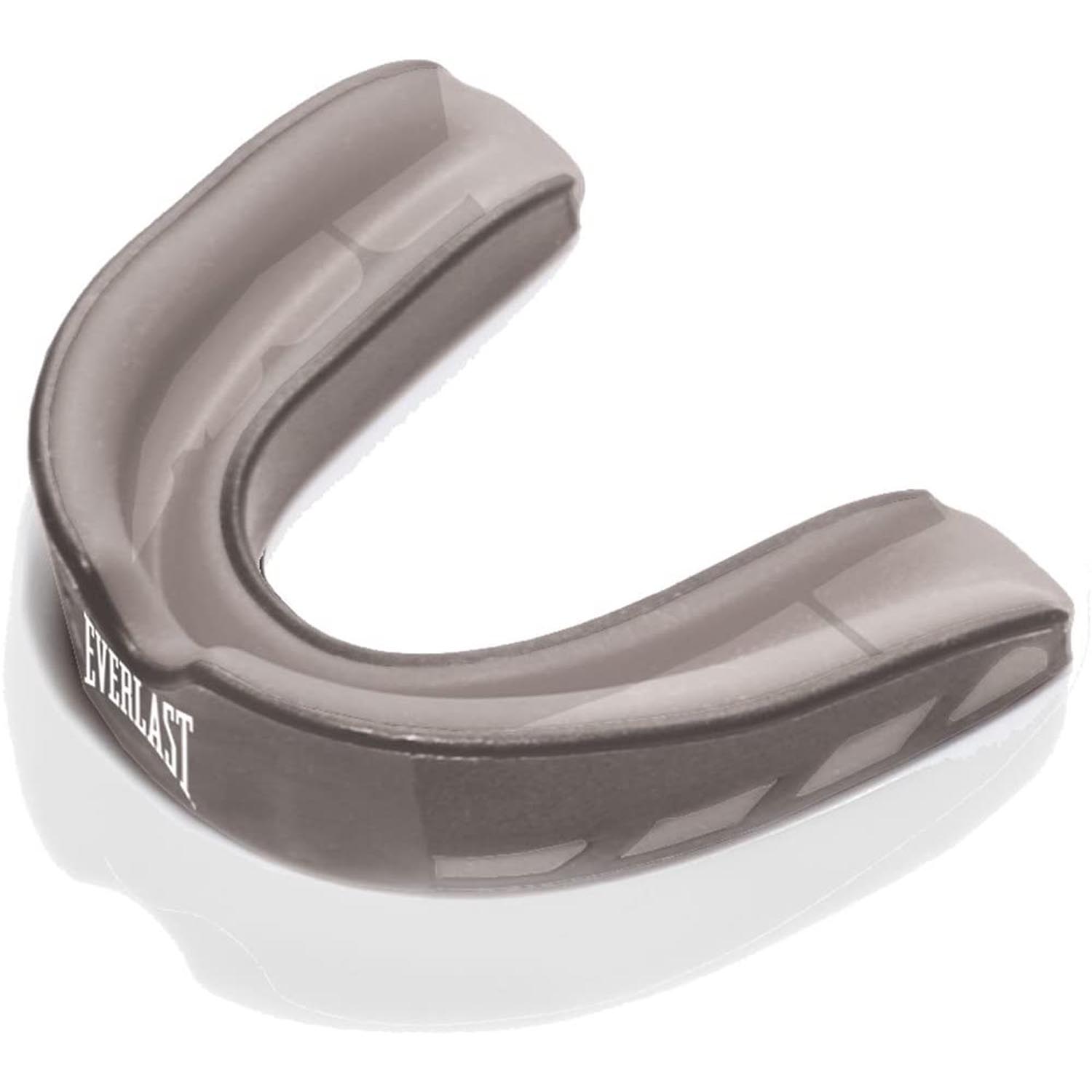
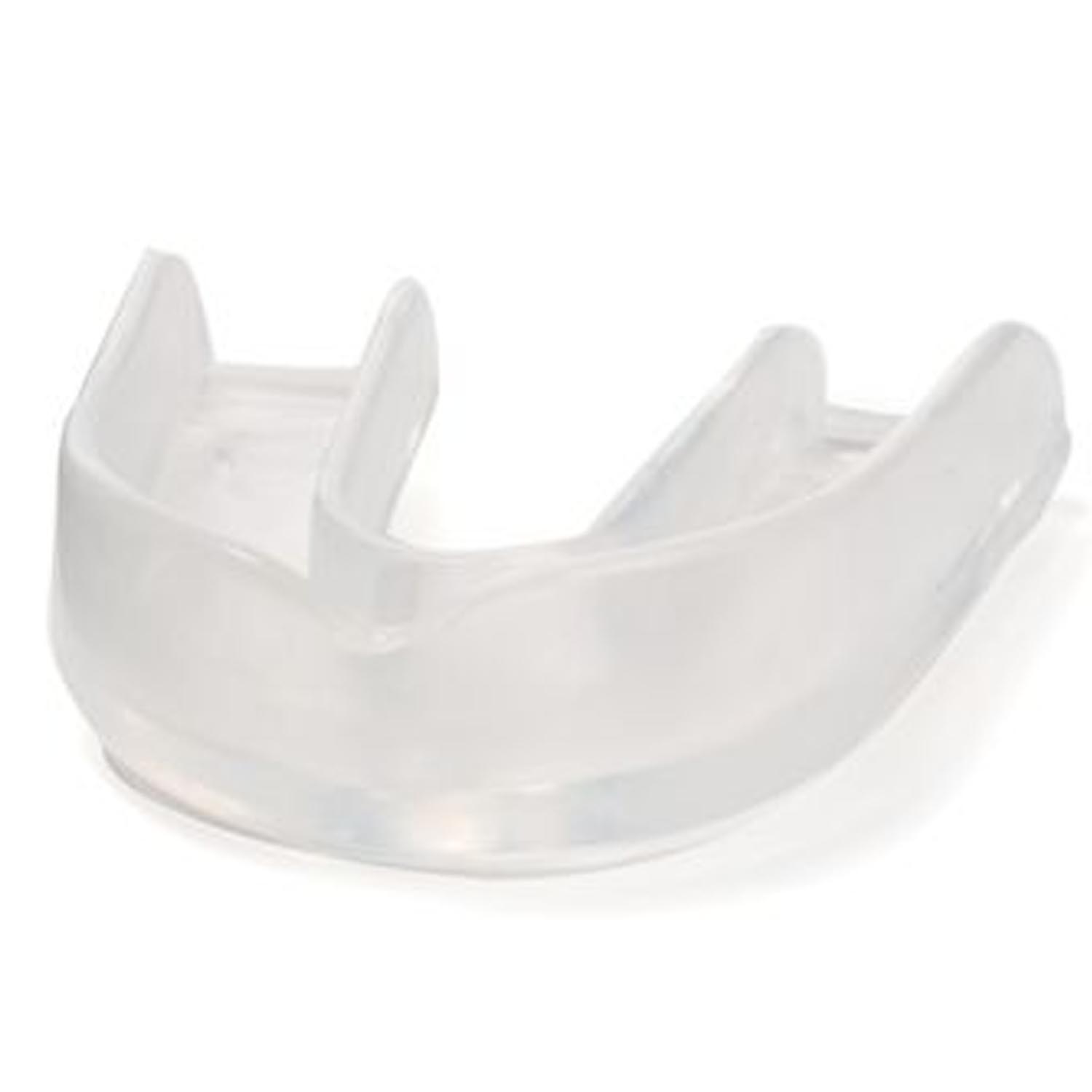
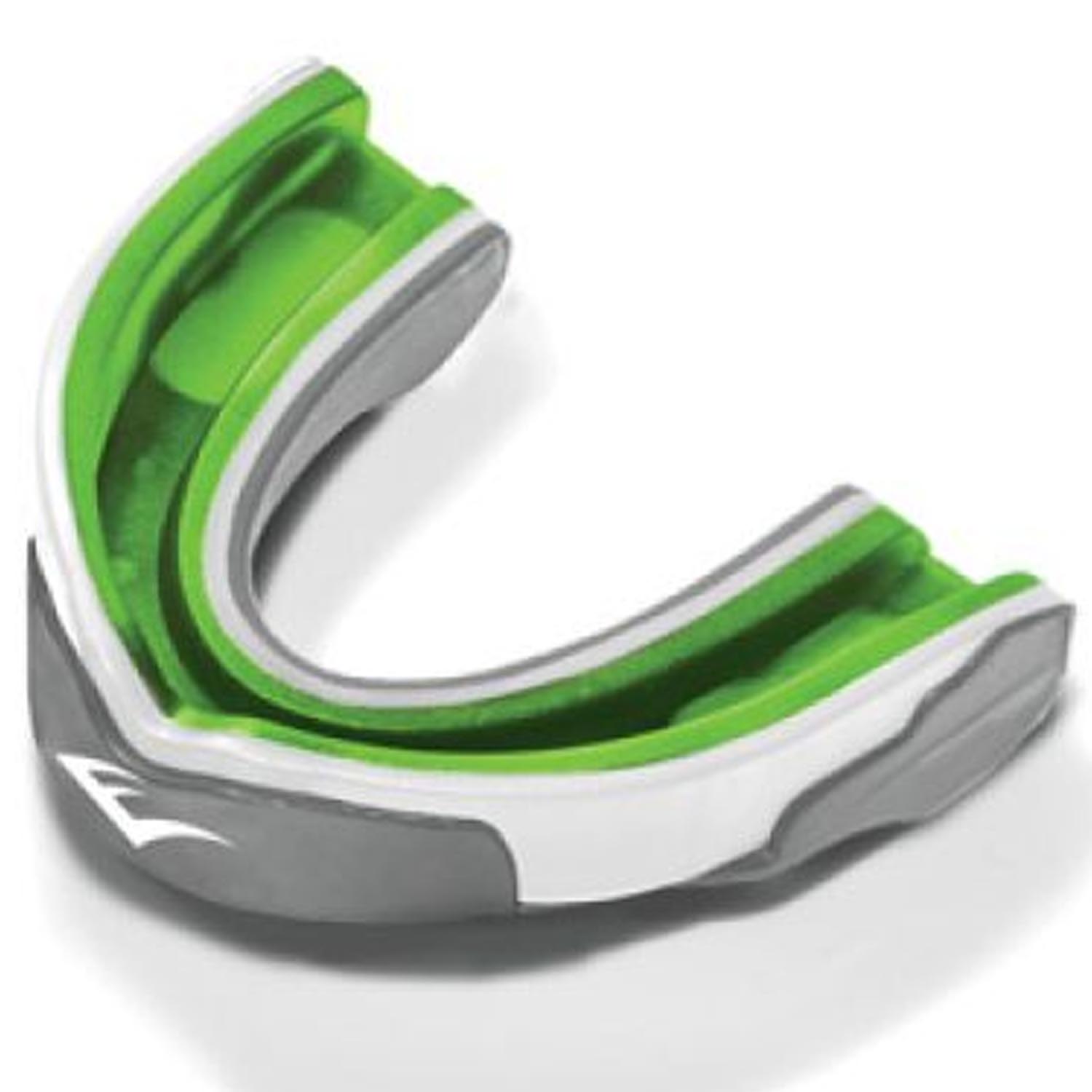
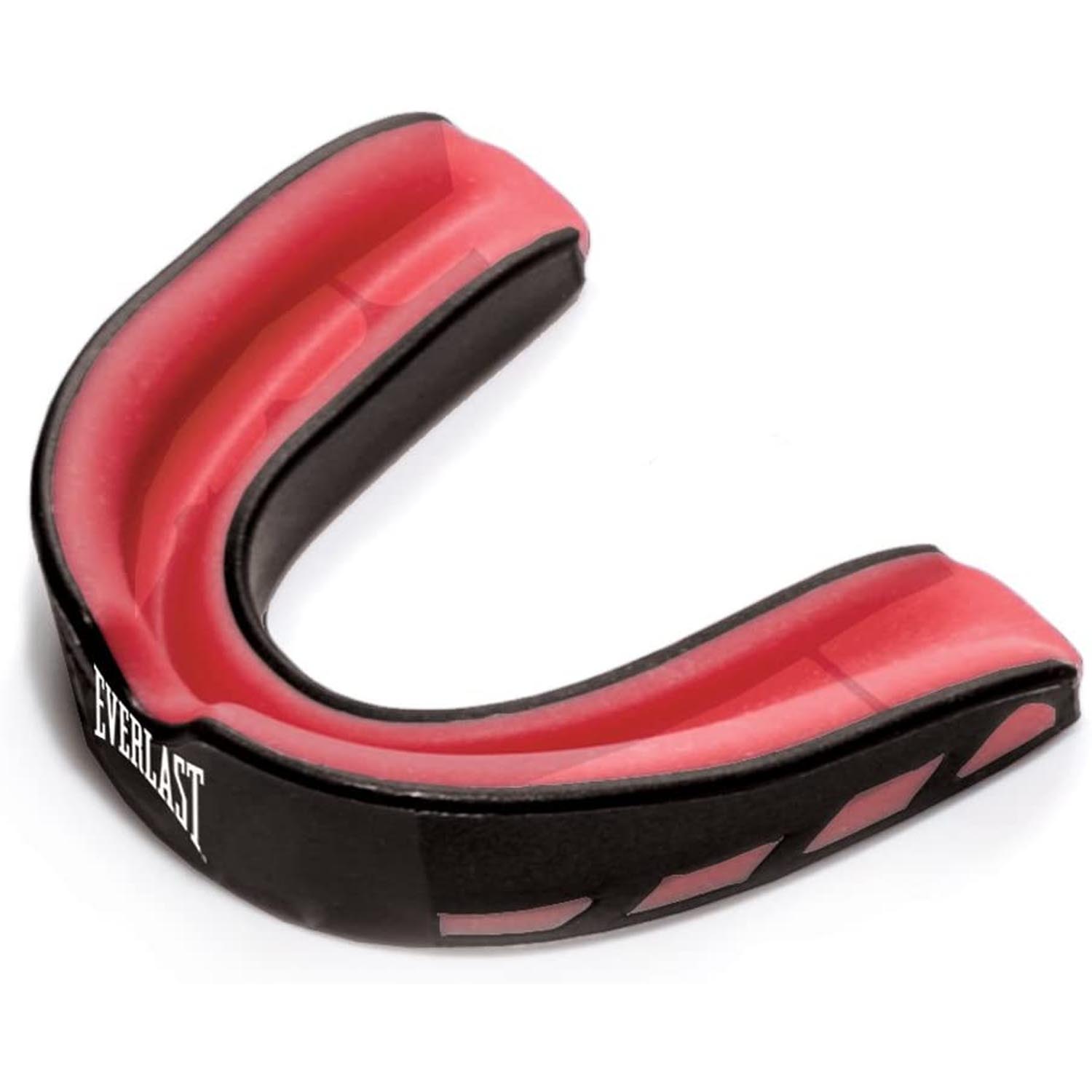
Kleine Investition große Wirkung
Besser kann man einen Mundschutz nicht beschreiben. Denn bereits für um die 10€ bekommt ihr einen Zahnschutz ,der euch sehr viele höhere Kosten ersparen kann. Denn ein Zahnersatz kostet schneller vierstellige Summen, als ihr Sawadee Khrap sagen könnt. Deshalb solltet ihr an der Stelle nicht zögern und immer einen Mundschutz in der Trainingstasche haben. Denn Trainingsunfälle sind nicht planbar und passieren immer genau dann, wenn man sie nicht erwartet. Wer trotzdem zum Sparring in den Ring steigt und ohne Mundschutz boxt hat mehr zu verlieren als nur ein Zahn.
Denn ein Mundschutz beim Boxen schütz mehr als nur die Zähne. Das ist auch der Grund warum wir die Produkte als Mundschützer verkaufen. Wenn ihr den Schutz richtig nutzt, dann ist der Mund beim Einsatz geschlossen. Ihr könnt fester zubeißen und erhöht damit die Spannung der Kiefer- und Nackenmuskulatur. Diese Muskelpartien schützen im Kampfsport euer wertvolles Oberstübchen. Durch die Aktivierung eben dieser Muskelpartien werden Kieferbrüche, Gehirnerschütterungen und Nackenverletzungen vorgebeugt.
Ihr habt euch schon öfter gefragt, wie Profis diese kräftigen Schläge einstecken können. Das gelingt hauptsächlich durch stabile Deckungsarbeit, feste Muskulatur und den richtigen Mundschutz.
Zusammenfassung:
- Ein guter Mundschutz schützt mehr als eure Zähne
- Wichtig für die Muskelaktivierung im gesamten Kopfbereich
- Schützt vor Gehirnerschütterung, Kieferproblemen usw.
Welcher Mundschutz für Boxen, Muay Thai oder Kickboxen
Es gibt eine Vielzahl von verschiedenen Mundschützern die wir in drei Gruppen einteilen:
- Orthopädische
- Doppelte
- Einfache
1. Der orthopädische Zahnschutz ist ein hochwertiger Schützer, welcher von Spezialisten extra für euch angefertigt wird. Es ist ein individuelles Produkt und sollte deshalb perfekt passen. Solche Mundschützer haben ihren Preis und sind nicht von der Stange zu bekommen. Die Kosten sind so individuell wie eure Wünsche und liegen meist weit über dem was ihr bei uns bekommt.
2. Der Doppelte. Wie der Name schon sagt, dieser Schutz ist für beide Zahnreihen ausgelegt und füllt deshalb euren Mund umfangreich aus. Der Schutz ist sehr umfangreich und das wird häufig von Sportlern im Footballbereich genutzt. Dort wo die Kollosse mit vollem Körpereinsatz aufeinander losgehen, wird so ein hohes Level an Schutz benötigt. Für Kampfsportler bietet diese Art Schutz einen erheblichen Nachteil. Die Sauerstoffaufnahme wird stark beeinträchtigt. Daher sind diese Ausführungen nicht wirklich für den Kampfsport geeignet.
3. Der einfache und einreihige Zahnschutz. Ist der am häufigsten eingesetzte Mundschutz. Kommt in nahezu allen Arten als Gebissschiene für die oberen Zähne vor. Wir verkaufen praktisch nur diesen Schutz und empfehlen jedem Kampfsportler, diese Art zu wählen. Das Level an Schutz ist absolut ausreichend, selbst für harte Trainingssessions. Das Atmen wird nicht zu stark beeinflusst. Schätzungsweise 99% aller Boxer tragen diese Variante im Training und Wettkampf.
Mundschutz zuhause anpassen
Das Anpassen ist ein leichter Prozess und kann ganz einfach zu Hause ausgeführt werden. Ihr braucht dafür:
- 1x Schale mit sehr heißem Wasser (nicht kochend)
- 1x Schale mit kaltem Wasser
- 1x Löffel/Gabel
Ihr legt den Mundschutz in das heiße Wasser und lasst ihn ca 30 Sekunden in dem Wasser. Im Anschluss den Schutz aus dem Wasser nehmen und kurz abtropfen lassen. Wenn das heiße Wasser entfernt ist, dann setzt ihr den Zahnschutz an die obere Zahnreihe und drückt ihn fest mit den Fingern an die Zähne. Erst nach dem Andrücken zubeißen. Beim Beißen solltet ihr moderat vorgehen. Zu fester Biss kann den Mundschutz zerstören.
Bitte beachtet die Hinweise des Herstellers. Diese können von unserer allgemeinen Anleitung abweichen. Wir übernehmen keine Haftung für zerstörte Mundschützer, wenn die Herstellerhinweise missachtet wurden.